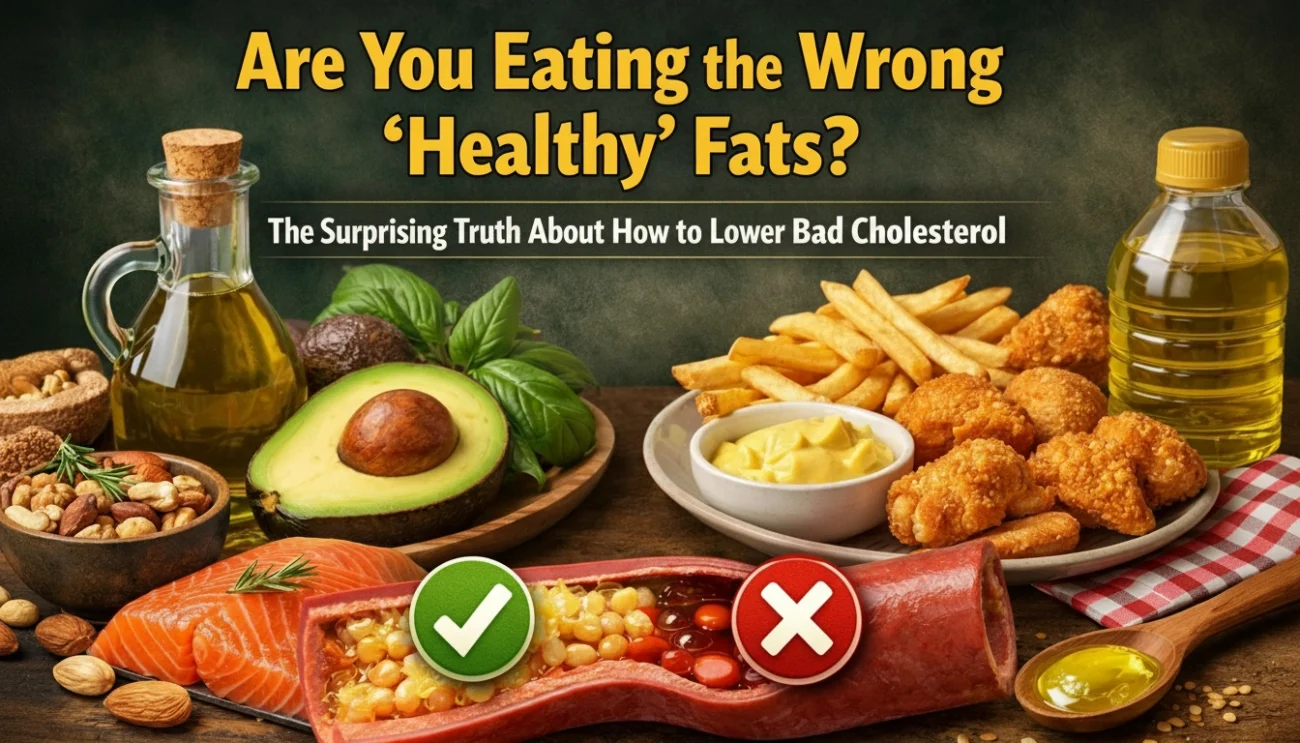
Looking at a lab report and seeing high numbers next to your LDL levels can feel overwhelming, especially when you feel like you have been making the right choices with your diet. It is a common struggle to navigate the world of nutrition and find the specific lifestyle adjustments that truly make a difference. Understanding how to lower bad cholesterol is not just about avoiding certain foods, but also about discovering the powerful, natural allies that have been used for centuries to protect the heart.
One such ally is garlic, a humble kitchen staple that carries a deep legacy in traditional healing systems like Ayurveda. Known as Lashuna in Sanskrit, garlic has been revered for its ability to clear the body of toxins and support a healthy circulatory system. In this article, you will explore the fascinating intersection of ancient wisdom and modern clinical research to see how this botanical powerhouse influences your vascular health and what the latest scientific evidence suggests about its potential.
What Is Garlic?
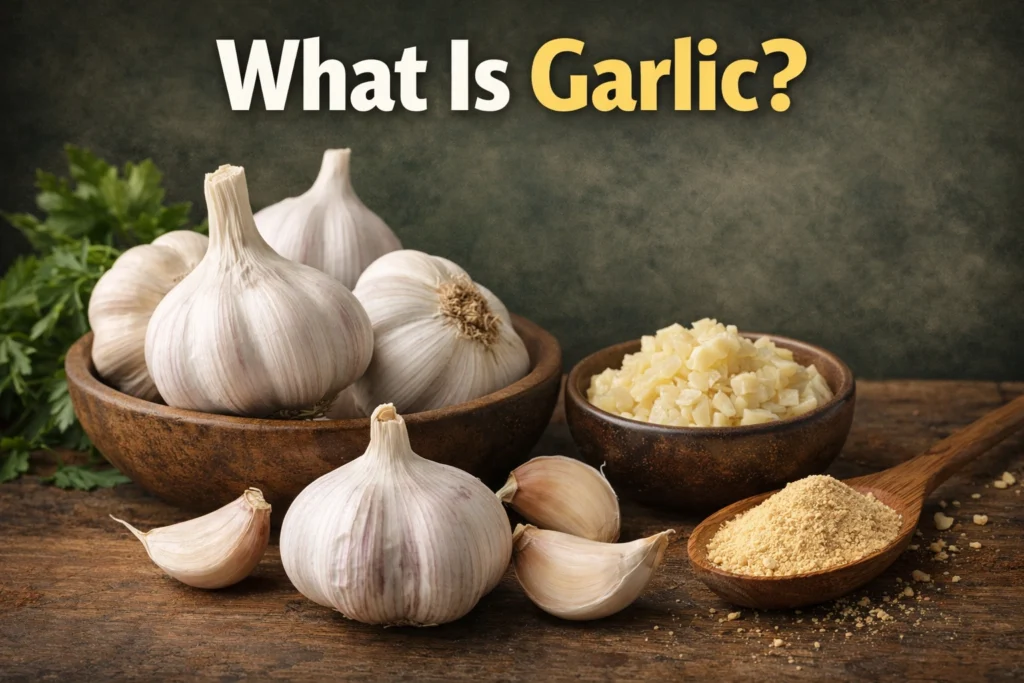
Garlic, botanically known as Allium sativum, is a perennial flowering plant that belongs to the Amaryllidaceae family, closely related to onions, shallots, and leeks. It is characterized by its pungent aroma and a bulb composed of several smaller cloves encased in a papery white or purple skin. Historically, garlic has been a global treasure, used by the ancient civilizations of Egypt, Greece, and Rome not just as a culinary flavor enhancer, but as a vital medicine for strength and resilience.
In the realm of Ayurveda, garlic holds a prestigious position as a Rasayana, or a substance that promotes longevity and rejuvenation. It is classified as having a heating energy and a pungent taste, which traditionally makes it effective for balancing Kapha and Vata doshas. Ancient texts describe its primary role as a blood purifier and a stimulant for the digestive fire, which in turn helps prevent the accumulation of Ama, or metabolic waste, within the blood vessels.
How Garlic Works in the Body
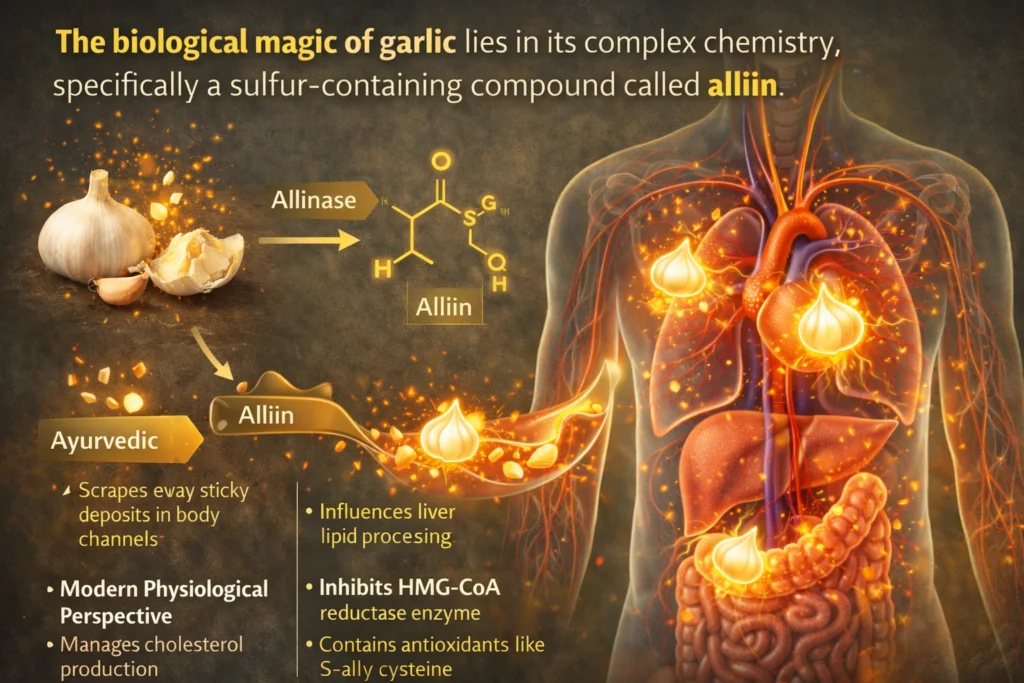
The biological magic of garlic lies in its complex chemistry, specifically a sulfur-containing compound called alliin. When a clove is crushed or chopped, an enzyme called alliinase converts alliin into allicin, which is the primary bioactive component responsible for many of its health properties. Once in the body, these compounds interact with various metabolic pathways to influence how the liver processes lipids and how the blood moves through the arteries.
From an Ayurvedic perspective, garlic works by penetrating deep into the tissues to scrape away sticky deposits within the channels of the body. In modern physiological terms, this is often seen as its ability to inhibit the HMG-CoA reductase enzyme, which is the same pathway targeted by some conventional heart medications to manage how the body produces its own cholesterol. Additionally, garlic contains antioxidants like S-allyl cysteine that help protect the lining of the blood vessels from oxidative damage, ensuring that the vascular system remains flexible and clear.
Health Benefits of Garlic
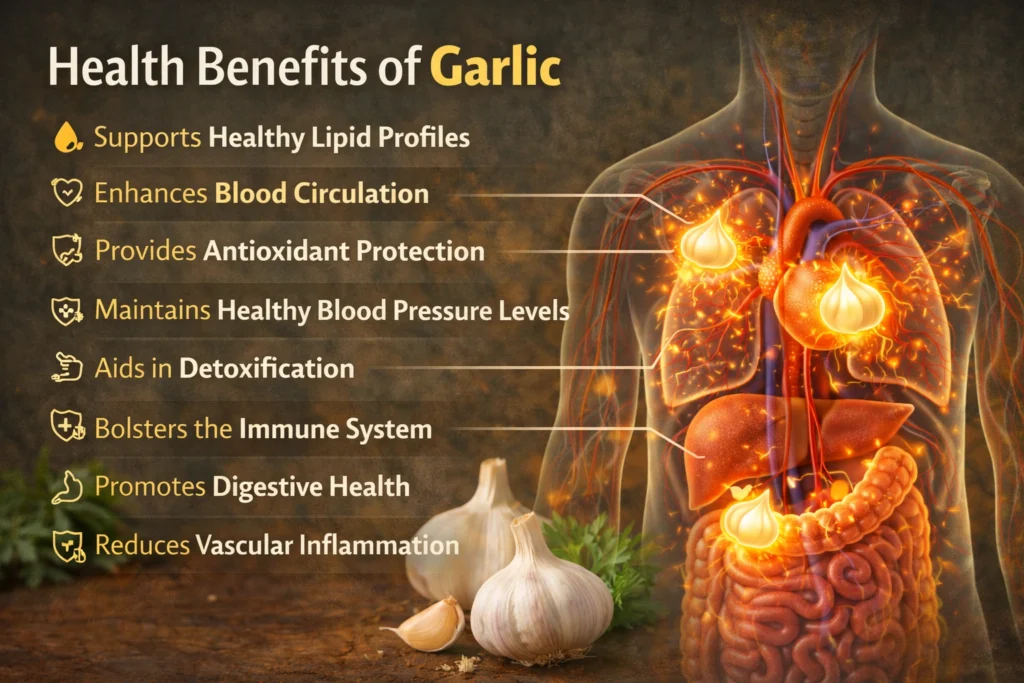
Supports Healthy Lipid Profiles
Clinical observations have shown that regular consumption of garlic may lead to a measurable reduction in total cholesterol and LDL levels. Research suggests that the active sulfur compounds interfere with the synthesis of fats in the liver, which contributes to an overall healthier balance of blood lipids over time.
Enhances Blood Circulation
Traditional use of garlic is often centered around its ability to thin the blood naturally and prevent the clumping of platelets. This effect helps maintain a smooth flow of blood through the arteries and veins, reducing the strain on the cardiovascular system as it works to deliver oxygen to your vital organs.
Provides Antioxidant Protection
The presence of organosulfur compounds in garlic offers a robust defense against free radicals that can damage arterial walls. By neutralizing these unstable molecules, garlic helps prevent the oxidation of LDL cholesterol, which is a critical step in maintaining long-term heart health and vascular integrity.
Maintains Healthy Blood Pressure Levels
Studies have frequently noted that garlic has a mild vasodilatory effect, meaning it helps the blood vessels relax and widen. This process is essential for ensuring that blood can circulate at a healthy pressure, thereby reducing the workload on the heart and supporting overall arterial wellness.
Aids in Detoxification
In Ayurvedic tradition, garlic is used to stimulate the liver and kidneys to more effectively process and remove waste from the bloodstream. By supporting these natural filtration systems, the body is better able to maintain a clean and efficient internal environment, which is a key factor in how to lower bad cholesterol naturally.
Bolsters the Immune System
While famous for its heart benefits, garlic is also a well-known modulator of the immune response. It helps the body produce more natural killer cells and macrophages, providing a layer of protection that keeps you feeling resilient against common seasonal stressors and environmental challenges.
Promotes Digestive Health
Garlic is considered a carminative in herbal medicine, which means it helps soothe the digestive tract and reduce the formation of gas. A healthy digestive system is crucial for the proper absorption of nutrients and the effective elimination of fats, which indirectly supports a healthy heart.
Reduces Vascular Inflammation
Chronic inflammation is often a hidden driver of cardiovascular issues, but the compounds in garlic have been shown to inhibit pro-inflammatory markers in the blood. By keeping the vascular environment calm and balanced, garlic contributes to the long-term structural health of the circulatory system.
Scientific Research and Evidence
The scientific community has conducted extensive trials to validate the traditional claims surrounding garlic and its impact on heart health. In a comprehensive meta-analysis published in the Journal of Nutrition, Dr. Karin Ried, a researcher at the National Institute of Integrative Medicine, found that garlic supplements were effective in reducing total and LDL cholesterol by roughly 10% in individuals with elevated levels. Dr. Ried noted that the consistency of these findings across multiple trials highlights garlic’s potential as a complementary tool for lipid management. https://pubmed.ncbi.nlm.nih.gov/26764326/
Another significant study led by Dr. Matthew Budoff, a senior researcher at the Lundquist Institute, explored the effects of Aged Garlic Extract on coronary artery calcification. Dr. Budoff and his team observed that participants who utilized the extract showed a significant reduction in the progression of soft plaque in the arteries compared to the placebo group. Dr. Budoff stated that the ability of garlic to slow down plaque accumulation could be a game-changer for those looking to manage their cardiovascular risk factors naturally. https://pubmed.ncbi.nlm.nih.gov/26764322/
Further evidence comes from the work of Dr. Khalid Rahman at Liverpool John Moores University, whose research focused on the anti-platelet and antioxidant properties of garlic. Dr. Rahman’s findings, published in the Journal of Nutrition, suggested that garlic’s ability to inhibit platelet aggregation and reduce oxidative stress provides a multi-faceted approach to protecting the heart. Dr. Rahman concluded that the unique sulfur compounds in garlic are the primary drivers of its ability to improve the overall cardiovascular profile of patients in clinical settings. https://pubmed.ncbi.nlm.nih.gov/11238803/
Research conducted by Dr. S.C. Tyagi at the University of Louisville also shed light on the molecular mechanisms of garlic. Dr. Tyagi found that garlic components can help regulate the elasticity of the aorta and improve the flow-mediated dilation of blood vessels. Dr. Tyagi noted that these physiological improvements are essential for long-term heart health, as they ensure the vascular system can adapt to changes in blood flow and pressure. (link to be manually verified)
Where to Find Garlic
Finding high-quality garlic is relatively simple, as it is one of the most widely available botanicals in the world. You can source fresh garlic bulbs at your local grocery store, organic health markets, or farmers’ markets. When choosing fresh garlic, it is often best to look for bulbs that are firm to the touch, with dry, unbroken skins, and no visible green sprouts, as sprouting can indicate that the garlic is older and may have a more bitter flavor.
For those interested in more concentrated forms, garlic is available in various preparations at Ayurvedic stores and online platforms like Amazon or iHerb. These forms include aged garlic extract, garlic oil capsules, and deodorized garlic powders. It is generally recommended to look for products that are certified organic and standardized for allicin content to ensure that the active compounds are present in consistent amounts.
How to Consume Garlic
How to Consume Garlic
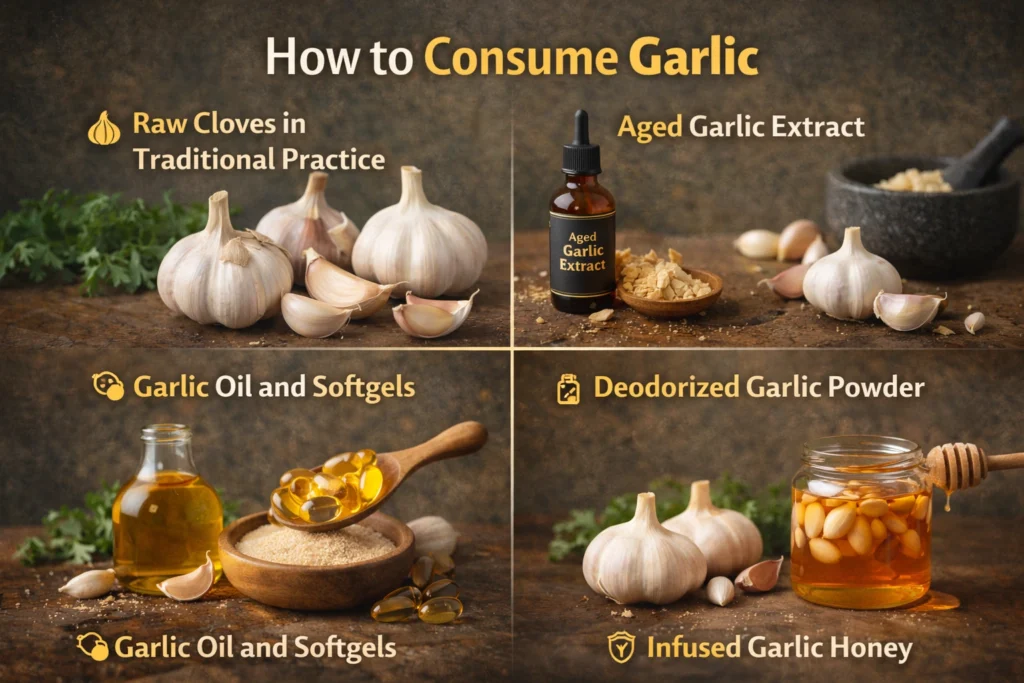
Raw Cloves in Traditional Practice
In many traditional health systems, raw garlic is consumed by finely mincing a clove and letting it sit for a few minutes to allow allicin to develop. Clinical studies often utilize this method because the heat from cooking can sometimes deactivate the enzyme alliinase, which is necessary for the production of garlic’s primary heart-healthy compounds.
Aged Garlic Extract
Aged garlic extract is a popular form found in research because the aging process reduces the harsh odor while concentrating the stable sulfur compounds. This form has been documented in various clinical trials for its ability to support blood pressure and cholesterol levels without causing the social discomfort often associated with fresh garlic breath.
Garlic Oil and Softgels
Garlic oil is produced through steam distillation and is typically encapsulated in softgels for ease of use. This method has been observed in studies focusing on the antioxidant capacity of garlic, as the oil contains many of the fat-soluble compounds that are believed to protect the arterial walls from oxidative stress.
Deodorized Garlic Powder
Powdered garlic is often used in tablets and is frequently deodorized to make it more palatable for daily use. Research indicates that high-quality powders can still provide a significant amount of alliin, provided they are processed using low-heat methods that preserve the integrity of the botanical’s internal enzymes.
Infused Garlic Honey
In certain Ayurvedic practices, garlic is sometimes infused in raw honey to balance its heating properties and make it easier on the digestive system. While this is more of a traditional preparation, some researchers have looked into the synergistic effects of honey and garlic for their combined antimicrobial and heart-supporting potential.
Safety and Side Effects
While garlic is generally considered safe for most people when used in culinary amounts, there are important considerations for those using concentrated forms for health purposes. The most common side effects include breath and body odor, heartburn, and occasional digestive upset such as gas or bloating. Because garlic has a natural blood-thinning effect, it is particularly important for individuals who are scheduled for surgery to discontinue its use at least two weeks prior to their procedure to avoid excessive bleeding.
Furthermore, people taking certain medications should be cautious. Specifically, those on blood-thinning drugs like warfarin or anti-platelet medications should be aware that garlic may enhance the effects of these drugs. It is also advised that pregnant and breastfeeding women stick to culinary amounts rather than high-dose extracts, as the safety of concentrated garlic in these groups has not been extensively studied. Always speak with a healthcare professional to ensure that any herbal addition is appropriate for your specific health history.
FAQ
What is the best way to maintain the potency of garlic when preparing it?c
Research suggests that crushing or mincing garlic and allowing it to stand for ten minutes before cooking or consuming helps to maximize the production of allicin. This waiting period allows the enzyme alliinase to work fully, which helps preserve the botanical’s beneficial properties even if it is lightly heated later.
Can garlic replace conventional medication for high cholesterol?
Scientific evidence indicates that while garlic can support a healthy lipid profile and assist in how to lower bad cholesterol, it is generally viewed as a complementary approach rather than a direct replacement for prescribed medical treatments. Documented trials show it works best when integrated into a broader heart-healthy lifestyle that includes diet and exercise.
How long does it take to see results from using garlic for heart health?
Clinical studies often run for a duration of eight to twelve weeks before measurable changes in blood lipid levels are observed. Traditional wisdom also emphasizes that herbal allies work gradually with the body’s natural rhythms, requiring consistency over several months to achieve a sustained impact on cardiovascular markers.
Are there any specific groups of people who should avoid garlic?
Documentation suggests that individuals with bleeding disorders or those taking anticoagulant medications should use caution with garlic extracts due to its natural anti-platelet effects. Additionally, people with very sensitive stomachs or those prone to severe acid reflux may find that raw garlic exacerbates their symptoms.
Is there a difference between white garlic and purple garlic?
While both varieties belong to the same species and offer similar health benefits, some traditional texts suggest that purple garlic may have a slightly higher concentration of certain sulfur compounds. However, most modern research does not distinguish between the two, noting that both are effective sources of allicin for heart support.
Conclusion
Navigating the journey of heart health can be complex, but turning to time-tested botanicals like garlic offers a grounded and science-backed way to support your goals. By understanding how to lower bad cholesterol through a combination of Ayurvedic principles and modern research, you empower yourself to take a proactive role in your wellness. Garlic stands as a testament to the idea that some of the most effective tools for health are often the simplest ones found in nature.
Whether you are looking at the traditional classification of garlic as a blood purifier or the modern clinical trials focused on its sulfur compounds, the message remains clear: this herb has a remarkable ability to interact with the body’s cardiovascular pathways. As you continue to explore natural ways to enhance your vitality, remember that the most successful health strategies are those that are consistent, well-informed, and personalized.
Related Post: Hypertension Relief in Your Kitchen? Can Raw Garlic Really Outperform Supplements?

One thought on “Are You Eating the Wrong ‘Healthy’ Fats? The Surprising Truth About How to Lower Bad Cholesterol”