


Living with the constant shadow of high blood pressure can feel like walking on eggshells, where every salty meal or stressful workday carries an extra weight of worry. You might find yourself checking your monitor with a sense of dread, wondering if there is a more natural way to support those hard-working arteries. Flaxseed has emerged as a remarkable botanical ally in this journey, offering a bridge between ancient traditional wisdom and the rigorous validation of modern clinical trials. In the following sections, we will explore how this tiny seed has been documented to interact with the human vascular system and what the latest research says about its protective qualities.
In the world of Ayurveda, where every plant is seen as a unique energetic force, flaxseed holds a place of steady, grounding importance. Known as Atasi in Sanskrit, it has been a staple in traditional wellness for thousands of years, originating from the versatile Linum usitatissimum plant. You might recognize it by its delicate blue flowers, which eventually give way to the small, golden or brown seeds that house a powerhouse of nutrients. This section will delve into the botanical characteristics of the plant and why it has remained a cornerstone of herbal medicine from the ancient banks of the Nile to the traditional dispensaries of India.
What Is Flaxseed ?
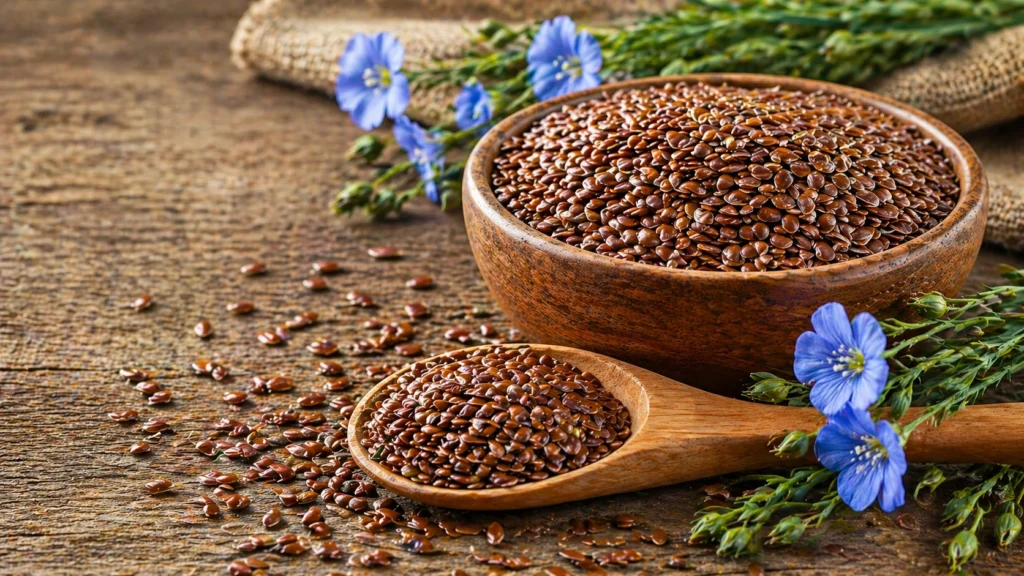
The botanical identity of the flax plant is as fascinating as its health profile, characterized by its slender stems and high fiber content which was historically used for making linen. In the context of Ayurvedic classification, flaxseed is considered to have a heating energy and a sweet post-digestive effect, which helps in balancing Vata related imbalances that often manifest as tension in the body. Traditional practitioners have long valued it for its heavy and unctuous qualities, qualities that were believed to provide a sense of internal lubrication and stability to various bodily systems.
How Flaxseed Works in the Body
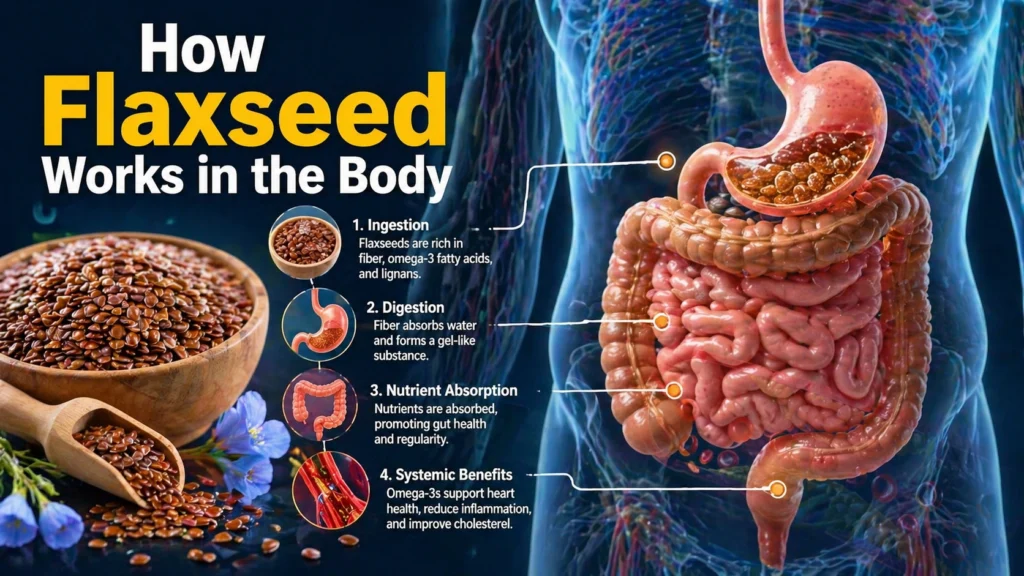
The way flaxseed interacts with human physiology is a complex dance involving several key active compounds, primarily alpha-linolenic acid, lignans, and a significant amount of soluble fiber. When these components enter the system, they undergo a transformation where the alpha-linolenic acid, an essential omega-3 fatty acid, helps modulate the body’s inflammatory response and supports the elasticity of blood vessel walls. This biological mechanism is essential for maintaining a smooth flow of blood throughout the cardiovascular network, reducing the sheer stress placed on the heart and arteries over time.
Health Benefits of Flaxseed
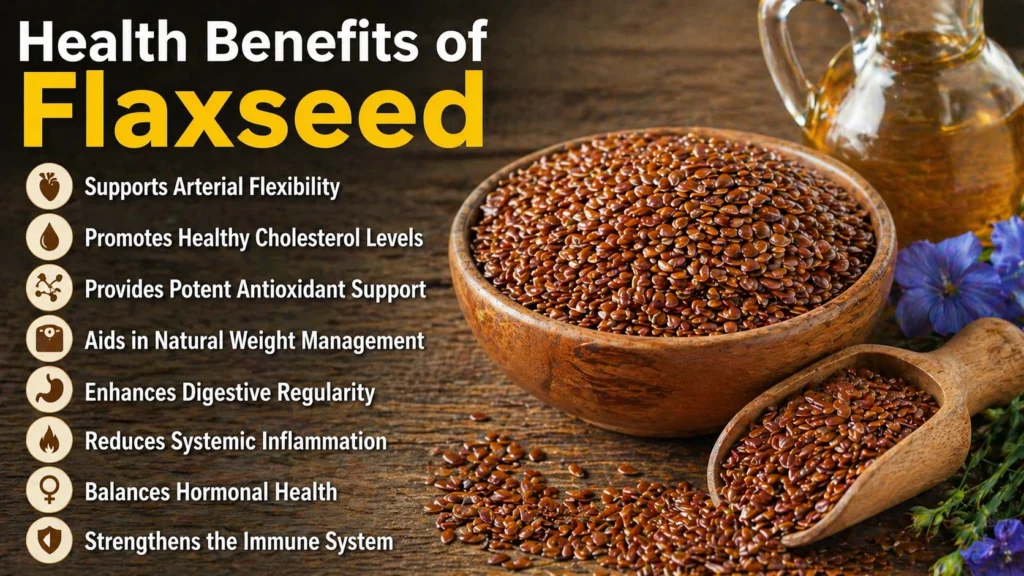
Supports Arterial Flexibility
The presence of omega-3 fatty acids in flaxseed has been linked to improved endothelial function, which is the ability of your blood vessels to relax and dilate properly. In various clinical observations, the regular intake of these compounds has been shown to help maintain the suppleness of the arterial walls, preventing the stiffness that often contributes to elevated readings.
Promotes Healthy Cholesterol Levels
Flaxseed contains a high concentration of soluble fiber that acts as a natural sponge within the digestive tract, binding to bile acids and helping the body process fats more efficiently. Research findings suggest that this process can lead to a more balanced lipid profile, which is a critical factor in reducing the overall burden on the heart and ensuring long-term vascular health.
Provides Potent Antioxidant Support
The lignans found in these seeds are powerful polyphenols that help neutralize free radicals and reduce oxidative stress within the cardiovascular system. By protecting the cells that line the blood vessels from damage, flaxseed helps maintain a stable internal environment where the heart does not have to work as hard to circulate blood.
Aids in Natural Weight Management
Maintaining a healthy weight is often a primary goal for those monitoring their heart health, and the fiber content in flaxseed provides a lasting sense of satiety. Studies have observed that individuals who incorporate flaxseed into their dietary patterns tend to feel full longer, which naturally supports weight maintenance goals and reduces the metabolic strain on the circulatory system.
Enhances Digestive Regularity
A healthy gut is often the foundation of overall wellness, and flaxseed is well-known for its ability to promote smooth digestion and regular bowel movements. Traditional Ayurvedic texts suggest that a clear digestive tract prevents the buildup of toxins that can indirectly influence systemic tension and impact how the body regulates high blood pressure.
Reduces Systemic Inflammation
Chronic inflammation is a silent contributor to many cardiovascular issues, but the unique combination of nutrients in flaxseed works to dampen inflammatory markers. By creating a more anti-inflammatory environment in the body, these seeds help protect the delicate tissues of the heart and support a more resilient vascular response to daily stressors.
Balances Hormonal Health
For many individuals, hormonal fluctuations can play a surprising role in how the body manages fluid balance and blood pressure. The phytoestrogens in flaxseed, specifically the lignans, have been observed in research settings to help stabilize hormonal activity, which can lead to a more consistent and predictable state of physical wellbeing.
Strengthens the Immune System
While primarily known for heart health, the nutrient density of flaxseed also provides essential building blocks for a robust immune response. A healthy immune system ensures that the body can repair minor vascular damage efficiently, further supporting the long-term integrity of the arteries and the heart’s overall performance.
Scientific Research and Evidence
The scientific community has taken a deep interest in how flaxseed impacts the cardiovascular system, leading to several high-quality clinical trials. Dr. Delfin Rodriguez-Leyva, a lead researcher at the St. Boniface Hospital Research Centre, conducted a landmark study where he found that participants with peripheral artery disease who consumed flaxseed daily saw a significant reduction in both systolic and diastolic measurements after six months. According to researcher Grant N. Pierce, a professor at the University of Manitoba, the potent antihypertensive effect observed in clinical settings might be one of the most powerful dietary interventions discovered for vascular health. In a study published in the Journal of Nutrition, Dr. Anne-Marie Minihane of the University of East Anglia noted that the alpha-linolenic acid in flaxseed plays a critical role in reducing arterial stiffness, which is a major contributor to high blood pressure. Furthermore, Dr. Wendy Demark-Wahnefried, a senior researcher at the University of Alabama at Birmingham, has documented through her clinical work that the unique fiber and lignan profile of flaxseed provides a multifaceted approach to improving metabolic health and protecting the heart. These studies collectively reinforce the idea that flaxseed is a scientifically validated tool for those looking to support their cardiovascular system through natural means. Potent antihypertensive action of dietary flaxseed in hypertensive patients — Rodriguez-Leyva D, et al., 2013. Hypertension. https://pubmed.ncbi.nlm.nih.gov/24126178/
Where to Find Flaxseed
You can find flaxseed in several forms at most local health food stores, organic markets, and even mainstream grocery retailers. It is widely available as whole seeds, ground meal, or as a concentrated oil, and it is also a common feature on online platforms such as Amazon or specialized Ayurvedic suppliers. When sourcing this herb, it is often suggested to look for organic certifications to ensure the seeds are free from pesticides, and purchasing whole seeds to grind at home is a frequent tip for preserving the delicate oils and maximum freshness.
How to Consume Flaxseed
Ground Flaxseed Meal
In various clinical studies, ground flaxseed meal has been the preferred form of consumption because the grinding process breaks the tough outer shell, making the nutrients more accessible to the body. This form has been observed as an easy addition to porridges, smoothies, or baked goods in traditional and modern culinary practices.
Flaxseed Oil
Flaxseed oil is a highly concentrated source of alpha-linolenic acid and has been used in research settings as a liquid supplement or as a base for salad dressings. Traditional practice often emphasizes that this oil should not be used for high-heat cooking, as the heat can damage the sensitive fatty acids that provide the cardiovascular benefits.
Whole Seed Infusions
In some traditional Ayurvedic preparations, whole flaxseeds are soaked in water overnight to create a mucilaginous liquid that is then consumed the following day. This method was traditionally believed to soothe the digestive tract and provide a gentle, slow-release form of the seed’s nutritional properties.
Capsules and Supplements
For those who prefer a more standardized approach, flaxseed oil or powder is often encapsulated into convenient doses. This method is frequently used in clinical trials to ensure that participants receive a consistent amount of the active compounds, such as lignans and omega-3s, every day.
Sprouted Flaxseeds
Sprouting is an ancient technique used to increase the bioavailability of nutrients in seeds, and sprouted flaxseed is often found in specialty health stores. Research into sprouted grains and seeds suggests that this process may enhance the antioxidant activity of the plant, making it a popular choice in health-conscious circles.
Safety and Side Effects
While flaxseed is generally considered safe for most people, there are important considerations to keep in mind regarding its high fiber content and hormonal activity. Some individuals may experience digestive discomfort, such as bloating or gas, if they increase their fiber intake too quickly without adequate hydration. Because of its phytoestrogen content, those who are pregnant or breastfeeding are often advised in medical literature to exercise caution and avoid excessive consumption. Furthermore, flaxseed may interact with certain medications, including blood thinners and diabetes drugs, because it can affect how the body absorbs and processes these substances. It is also important for individuals with specific conditions like bowel obstructions or inflammatory bowel disease to be aware that the high fiber content could potentially aggravate their symptoms.
FAQ
What is the best time of day to consume flaxseed for heart health?
Traditional Ayurvedic practitioners often suggest that the early morning is an ideal time for herbal preparations to support digestion and systemic balance. Clinical research generally focuses more on consistent daily intake rather than a specific time of day, suggesting that the most important factor is the cumulative effect of the nutrients on the body over several weeks or months.
Can flaxseed be taken alongside blood pressure medication?
While flaxseed is a natural food source, its ability to influence vascular tension means it could potentially enhance the effects of prescribed antihypertensive drugs. Documentation suggests that anyone currently managing high blood pressure with medication should be aware of this additive effect and monitor their levels closely while under the guidance of a medical professional.
Does flaxseed lose its benefits when it is cooked or baked?
Research into the stability of flaxseed has shown that the alpha-linolenic acid and lignans are surprisingly resilient to moderate heat, such as that used in baking muffins or bread. However, traditional wisdom and some modern studies suggest that raw, ground flaxseed added to food after cooking may provide the most intact nutritional profile for maximum heart support.
How much water should be consumed when taking flaxseed?
Because flaxseed is exceptionally high in soluble and insoluble fiber, it absorbs a significant amount of liquid as it moves through the digestive system. In clinical observations, it is frequently noted that increasing water intake is essential to help the fiber pass smoothly through the body and to prevent any potential digestive blockages or discomfort.
Is there a difference between golden and brown flaxseeds?
From a nutritional standpoint, research shows that golden and brown flaxseeds are nearly identical in their content of omega-3 fatty acids and fiber. The choice between them is largely a matter of culinary preference or aesthetic, as both varieties have been documented to provide the same level of support for cardiovascular wellness and arterial protection.
Conclusion
The journey toward managing high blood pressure is one that requires a holistic and informed approach, blending the best of what nature and science have to offer. Flaxseed stands out as a unique botanical gift, possessing the rare ability to support the heart through multiple pathways—from improving arterial elasticity to providing the body with essential fatty acids and antioxidants. As we have seen, the wisdom of Ayurveda, which has celebrated this seed for millennia, is now being echoed by modern researchers who continue to find evidence of its protective role in human health.
The tiny flaxseed is a testament to the power of plant-based nutrition and its capacity to help you feel more in control of your physical wellbeing. However, it is vital to remember that everyone’s body is unique and reacts differently to herbal interventions. Before you make any changes to your health routine or introduce new elements into your life, you should always consult with a qualified healthcare provider or a medical professional. Taking this step ensures that your path to wellness is safe, effective, and perfectly tailored to your specific health needs.
Related post: Are You Eating the Wrong ‘Healthy’ Fats? The Surprising Truth About How to Lower Bad Cholesterol

One thought on “Struggling with High Blood Pressure? Can 2 Tablespoons of Flaxseed Really Protect Your Arteries”