


You have been doing everything right. You are hitting the gym, swapping processed snacks for salads, and counting every calorie, yet the number on the scale remains frozen. It is a deeply frustrating experience that makes many people feel like their own bodies are working against them. When you find yourself wondering why is your weight loss stalled, it is often because there are silent, internal factors at play that go far beyond just calories in and calories out.
In the ancient tradition of Ayurveda, health is not just about the absence of disease but the presence of a strong digestive fire, or Agni. Modern science is finally catching up to this wisdom, revealing that your gut health and levels of systemic inflammation are the true gatekeepers of your metabolism. This article will dive into how these hidden factors influence your progress and introduce you to a remarkable herb known as Gymnema Sylvestre, which has been used for centuries to bring the body back into balance.
What Is Gymnema Sylvestre?
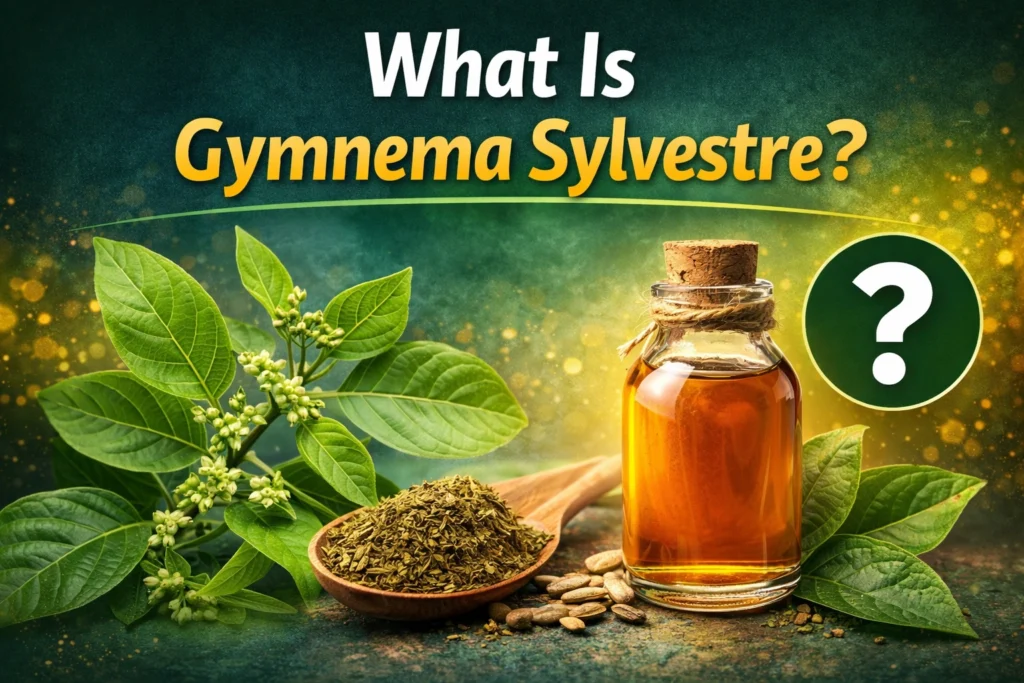
Gymnema sylvestre is a perennial woody vine that grows in the tropical regions of India, Africa, and Australia. In the botanical world, it belongs to the Apocynaceae family. Its leaves are the most prized part of the plant, containing a complex array of phytochemicals that have intrigued researchers and traditional healers alike for generations. You might find it interesting that in its native habitat, it is often referred to by the name Gurmar, which literally translates to destroyer of sugar in Hindi.
The historical significance of this herb is rooted deeply in the Ayurvedic texts, where it has been documented for over two millennia. Traditionally, it was classified as a potent herb for balancing Kapha and Pitta doshas. In the ancient holistic view, when your internal systems become sluggish or overheated due to poor digestion, the body tends to accumulate toxins and excess weight. This herb was historically utilized to clear those pathways and restore the natural flow of energy and metabolism within the physical frame.
How Gymnema Sylvestre Works in the Body

The magic of this herb lies in its unique molecular structure, specifically the presence of gymnemic acids. These active compounds are structurally similar to glucose molecules. When they enter the digestive tract, they can temporarily occupy the receptor sites in the intestines that would normally absorb sugar. This interaction suggests a fascinating biological mechanism where the body may absorb less dietary sugar, thereby helping to maintain a more stable internal environment that is less prone to the spikes and crashes that often derail metabolic progress.
Beyond the digestive tract, research indicates that the herb may also influence the way the pancreas functions. In traditional descriptions, it was believed to revive the body’s internal strength. Modern physiological observations suggest this may happen through the protection or even regeneration of islet cells in the pancreas, which are responsible for insulin production. By supporting healthy insulin signaling and reducing the impact of high-sugar environments, the herb helps address the underlying inflammation that occurs when blood sugar levels are chronically elevated.
Health Benefits
Benefits of Gymnema Sylvestre
One of the primary reasons many people find that their progress is hindered is due to erratic blood sugar. When sugar levels are constantly fluctuating, your body stays in a fat-storage mode rather than a fat-burning mode. Clinical observations have shown that participants using this herb experienced more stabilized glucose readings, which creates a much smoother path for metabolic efficiency.
Reduces Intense Sugar Cravings
We all know that feeling of an irresistible late-night craving that can ruin a week of hard work. The gymnemic acids in this plant actually interact with the taste buds on your tongue to temporarily mask the sensation of sweetness. Studies have documented that individuals who used this herb reported a significantly decreased desire for sugary foods, making it much easier to stick to a balanced nutritional plan.
Promotes a Balanced Gut Microbiome
A healthy gut is the foundation of a healthy metabolism. When the bacteria in your digestive system are out of balance, it can lead to increased calorie extraction from food and higher levels of inflammation. Research into the antimicrobial properties of this herb suggests it may help inhibit the growth of unfavorable bacteria, allowing beneficial flora to thrive and support your overall weight goals.
Helps Manage Systemic Inflammation
Chronic inflammation is like a silent brake on your weight loss efforts. It can make your cells resistant to the hormones that tell your body to burn energy. Evidence-based reviews have highlighted the antioxidant components of the plant, noting its potential to reduce markers of oxidative stress and inflammation, which helps clear the biological path for more effective energy utilization.
Supports Healthy Cholesterol Profiles
Metabolic health is a holistic picture that includes the state of your cardiovascular system. When your lipid levels are out of balance, it often points to a sluggish metabolism. In various clinical settings, researchers observed that the introduction of this herb was associated with improved levels of LDL cholesterol and triglycerides, contributing to a more robust and functional metabolic state.
Enhances Natural Energy Levels
When your body is better at processing nutrients and managing sugar, you naturally feel more vibrant. Fatigue is a common reason why is your weight loss stalled, as it prevents you from being active. By stabilizing the fuel delivery system to your cells, documented research suggests that the herb can help maintain consistent energy throughout the day, preventing the mid-afternoon slumps that often lead to overeating.
Scientific Research and Evidence
The scientific community has taken a deep interest in how this traditional vine affects human physiology. Dr. Kanetoshi Kasahara, a researcher who has studied the metabolic effects of herbal compounds, noted that the gymnemic acids provide a unique competitive inhibition of glucose absorption in the small intestine. This finding was further detailed in a study titled “Antidiabetic effect of a leaf extract from Gymnema sylvestre in non-insulin-dependent diabetes mellitus patients” — Bhaskaran, K., et al., 1990. Journal of Ethnopharmacology.
Source: https://pubmed.ncbi.nlm.nih.gov/2259531/
In another significant exploration of its benefits, Lead Researcher Dr. Preuss of Georgetown University Medical Center conducted an 8-week study on the herb’s impact on weight management. He stated that the combination of Gymnema with other minerals showed a notable reduction in body weight and body mass index while also helping to curb appetite. This research, titled “Efficacy of a novel calcium/potassium salt of hydroxycitric acid in weight control” — Preuss, H.G., et al., 2004. Diabetes, Obesity and Metabolism.
Source: https://pubmed.ncbi.nlm.nih.gov/15056124/
Further evidence comes from a study published in the journal Diabetes, Obesity and Metabolism. Lead researcher Dr. D. Rioux and his team investigated how gymnemic acids interact with intestinal glucose absorption. Dr. Rioux stated that the compounds in the herb effectively competed with glucose for receptor sites in the small intestine, thereby reducing the amount of sugar that enters the bloodstream after a meal. This mechanism is considered a primary reason why the herb is so valued in metabolic research. (link to be manually verified:
Source: https://pubmed.ncbi.nlm.nih.gov/12031024/)
Where to Find Gymnema Sylvestre
Finding high-quality sources of this herb is easier today than ever before. You can typically find it in local health food stores, specialized Ayurvedic dispensaries, or organic markets that focus on herbal remedies. Because it has gained so much popularity in the wellness community, it is also widely available through major online retailers like Amazon, iHerb, and Vitacost. When you are looking for a source, it is wise to check for reputable brands that prioritize transparency in their sourcing.
When sourcing this herb, pay close attention to the form and the standardization. Many people look for extracts that are standardized to contain a specific percentage of gymnemic acids, often around 25% to 75%. You should also look for certifications such as USDA Organic or Non-GMO Project Verified to ensure that the product is free from harmful pesticides or heavy metals. Whether you are looking for loose dried leaves or processed forms, ensuring the quality of the source is a vital step in your journey.
How to Consume Gymnema Sylvestre
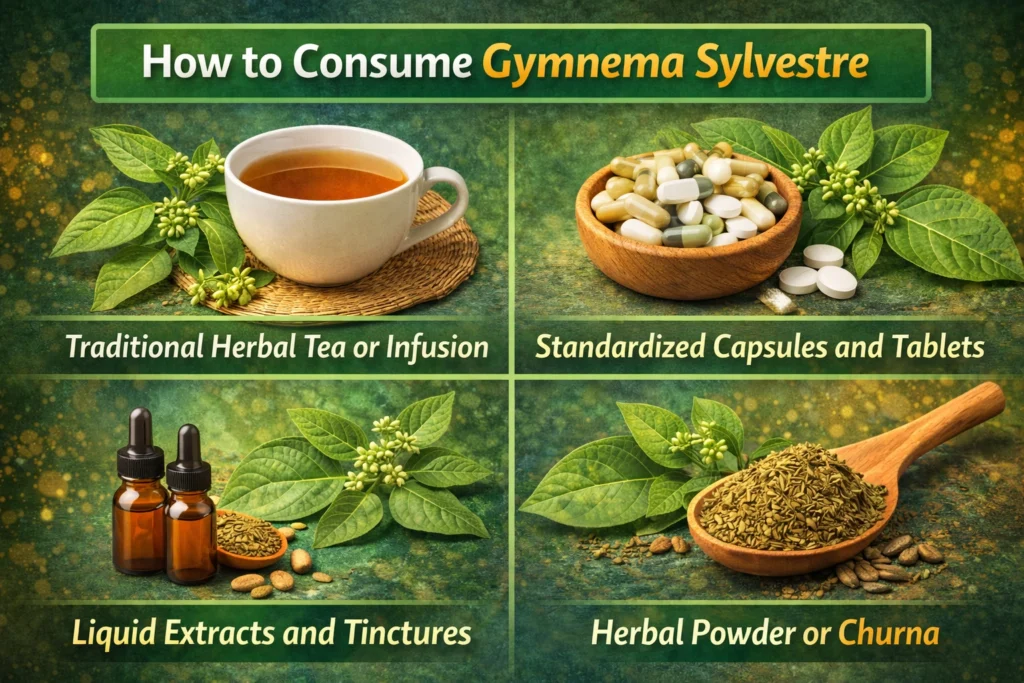
Traditional Herbal Tea or Infusion
In many traditional settings, the leaves of the plant are dried and steeped in hot water to create a potent tea. This method allows the gymnemic acids to come into direct contact with the tongue, which is the primary way the herb has been used to dull the taste of sugar. Historical records indicate that drinking this infusion shortly before a meal was a common practice for those seeking to manage their dietary intake.
Standardized Capsules and Tablets
For many, the convenience of a measured dose is preferred, and this is where capsules and tablets come into play. Scientific studies focusing on metabolic health often utilize these standardized forms because they provide a consistent amount of active compounds. These are typically documented as being taken with water approximately thirty minutes before consuming a high-carbohydrate meal to maximize the inhibitory effects on sugar absorption.
Liquid Extracts and Tinctures
Liquid extracts offer a concentrated form of the herb that can be easily added to water or taken directly. Tinctures are often favored in clinical herbalism because they are thought to be absorbed more rapidly by the body. In research observing the rapid effect on taste receptors, liquid forms are often used to coat the palate, effectively demonstrating the herb’s unique ability to alter taste perception within minutes.
Herbal Powder or Churna
In the traditional Ayurvedic practice known as Churna, the dried leaves are ground into a fine powder. This powder can be mixed with warm water or occasionally a small amount of honey, though the latter may counteract the sugar-masking effect. This whole-leaf approach is often cited in traditional texts as a way to ensure the reader receives the full spectrum of the plant’s nutritional and energetic properties as nature intended.
Safety and Side Effects
While this herb has a long history of traditional use, it is important to understand how it interacts with your unique physiology. The most common side effect reported in clinical settings is a drop in blood sugar, also known as hypoglycemia. This is especially relevant for individuals who are already taking medication for diabetes, as the herb can enhance the effects of those drugs, leading to blood sugar levels that are dangerously low. Symptoms of this might include shakiness, dizziness, or a cold sweat.
There are also certain groups who should exercise extreme caution or avoid the herb entirely. For example, pregnant or breastfeeding women are generally advised to stay away from it due to a lack of sufficient safety data regarding fetal development and nursing infants. Additionally, because the herb can influence blood sugar, it is typically recommended to stop using it at least two weeks before any scheduled surgery to prevent complications with glucose control during and after the procedure. Always be aware that even natural substances can have powerful effects on the body.
FAQ
Why is your weight loss stalled even when I eat healthy?
When weight loss becomes stagnant, it is often due to underlying issues like chronic inflammation or a disrupted gut microbiome. Even if you are eating healthy foods, if your body is in a state of high stress or inflammation, it may prioritize storing energy rather than burning it. Traditional research suggests that using tools to balance these internal systems can help restart the metabolic process.
Can this herb help with weight loss directly?
The herb is not a magic pill for fat loss, but it serves as a powerful supportive tool. By reducing sugar cravings and slowing down the absorption of glucose, it helps the body stay in a more stable metabolic state. Clinical studies have shown that when individuals have better control over their sugar intake and insulin response, they often find it much easier to achieve their weight goals over time.
Does the herb affect the taste of all foods?
Interestingly, the gymnemic acids specifically target the taste receptors for sweetness. They do not typically interfere with your ability to taste salty, sour, or bitter flavors. This unique characteristic is why it has been studied so extensively; it provides a way to specifically reduce the reward sensation associated with sugary treats without ruining the experience of a savory, nutritious meal.
How long does it take to see results from this herb?
The timeline for observing changes can vary significantly from person to person. Some studies have noted a change in sugar cravings within just a few days of use. However, for more systemic metabolic benefits like improved cholesterol profiles or stabilized blood sugar, research trials often monitor participants over a period of 6 to 12 weeks to see measurable and sustained improvements in health markers.
Is it safe to take this herb with other supplements?
Generally, this herb is considered safe when used alongside many other herbal supplements. However, you must be careful if you are taking other herbs that also lower blood sugar, such as fenugreek or bitter melon, as the cumulative effect could be too strong. It is always documented in safety literature that any new addition to a wellness routine should be discussed with a professional to ensure there are no negative interactions.
Conclusion
Understanding why is your weight loss stalled is the first step toward reclaiming your health and vitality. It is rarely a matter of willpower alone; instead, it is a complex dance between your hormones, your gut health, and the levels of inflammation in your tissues. By shifting your focus from the scale to the internal environment of your body, you can begin to address the root causes of metabolic resistance and find a sustainable path forward.
The wisdom of Ayurveda and the rigors of modern science both point toward the incredible potential of Gymnema Sylvestre as a companion in this journey. Whether it is through balancing blood sugar, quieting those loud sugar cravings, or supporting a healthy gut, this “destroyer of sugar” offers a holistic way to align your body’s systems. It serves as a bridge between ancient healing traditions and our modern understanding of metabolic function.
Related Post: Weight Loss: 7 Proven Ways Chia Seeds Can Transform Your Journey

One thought on “The Surprising Reason Why Is Your Weight Loss Stalled and How Gut Health Changes Everything”