


The sudden onset of a high fever in your child can be an incredibly stressful experience for any parent. You might find yourself checking their forehead every few minutes, wondering if that rising temperature is just a common cold or something that requires more urgent attention. Understanding the early physical changes your body undergoes during an infection can provide a sense of clarity and help you take the necessary steps toward professional care. One of the most critical things to understand during such times is what does measles look like before the more famous red rash even begins to spread across the skin.
In the world of Ayurveda, conditions that manifest with fever and skin eruptions are often viewed as an imbalance of the internal fire and the blood. This ancient wisdom emphasizes observing the body closely for subtle shifts in its natural state. By looking for specific indicators tucked away inside the mouth, known as Koplik spots, you can gain a significant head start in identifying this highly contagious virus. This article will explore these hidden signs, the traditional Ayurvedic perspective on systemic heat, and what modern science says about the progression of this condition.
What Is What Does Measles Look Like?
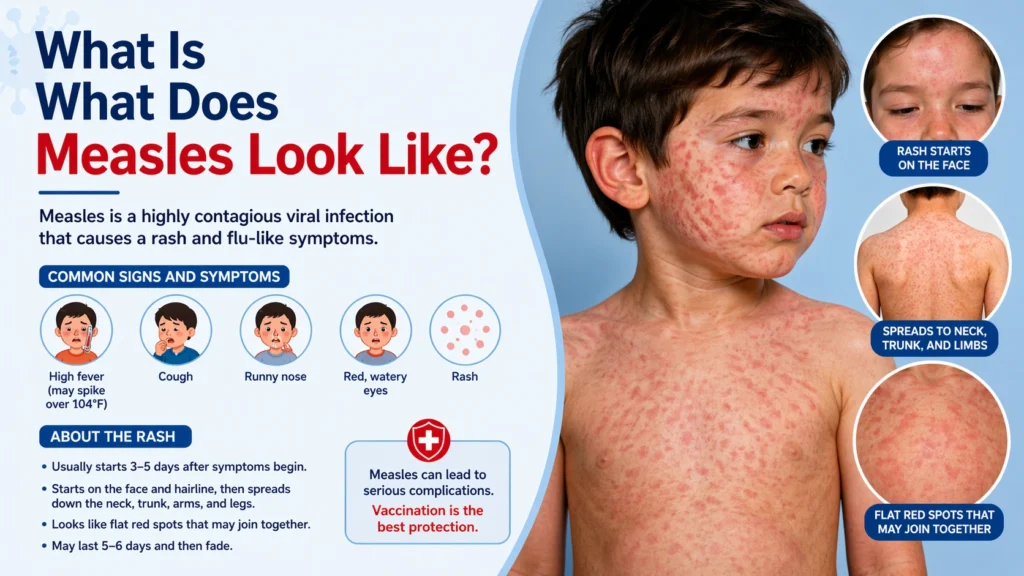
When we discuss the clinical presentation of the rubeola virus, we are looking at a respiratory infection that eventually manifests as a full-body skin eruption. The botanical or biological context here is the Morbillivirus, a member of the Paramyxoviridae family. Historically, measles has been documented for centuries as a major childhood illness, and before the advent of modern preventative measures, it was a nearly universal experience of growing up. In traditional Ayurvedic texts, similar eruptive fevers are often discussed under the umbrella of Romantika, a term that describes small, seed-like eruptions that appear on the skin following a period of high internal heat.
The significance of these symptoms in Ayurveda is deeply rooted in the concept of Pitta and Rakta, or the fire element and the blood. When an external pathogen enters the system, it is believed to agitate these elements, leading to the characteristic inflammation and redness associated with the virus. Understanding the physical appearance of the virus is not just about the skin, but about the mucous membranes that line the respiratory and oral tracts. This holistic view aligns with the modern understanding that the virus replicates in the lymphatic tissues before showing its face to the world.
How What Does Measles Look Like Works in the Body
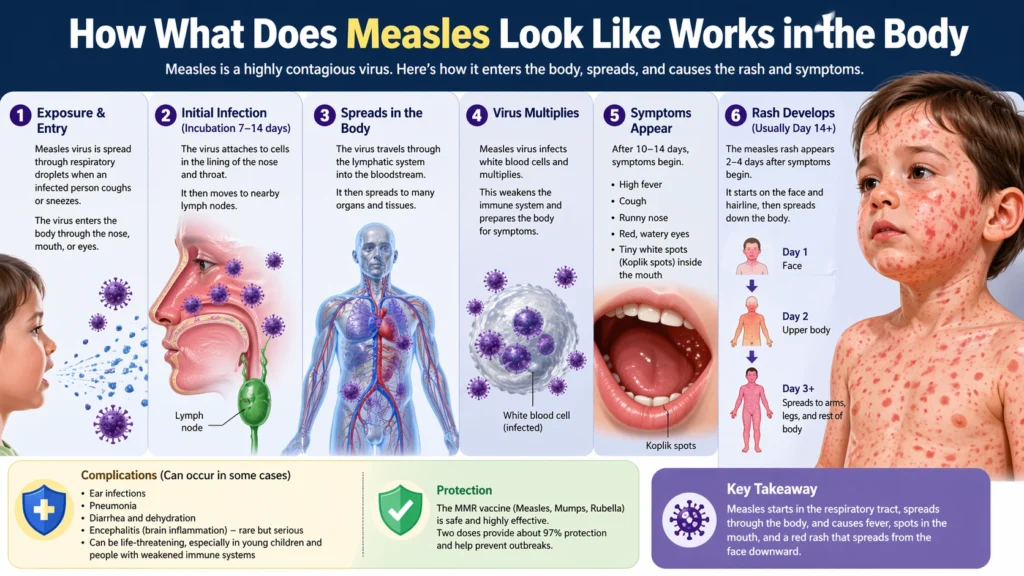
The mechanism of this infection is a fascinating, if aggressive, biological process. Once the virus is inhaled through droplets, it begins its journey by infecting the epithelial cells of the lungs. From there, it hitches a ride on immune cells to reach the lymph nodes, eventually entering the bloodstream. This systemic spread is why the symptoms are so widespread, affecting the eyes, the throat, and the digestive tract. In Ayurvedic terms, this is seen as the spreading of toxic heat, or Amavisha, which the body attempts to expel through the skin and mucous membranes.
The key active compounds in this process are the viral proteins that allow the pathogen to fuse with human cells. As the body fights back, the immune response creates localized areas of inflammation and cellular death. This is precisely what creates the white or bluish-white specks inside the cheeks. These spots are essentially tiny clusters of dead cells and white blood cells that have gathered at the site of viral replication. By understanding this physiological battle, you can better appreciate why the body displays such specific visual cues during the prodromal phase of the illness.
Health Benefits of What Does Measles Look Like
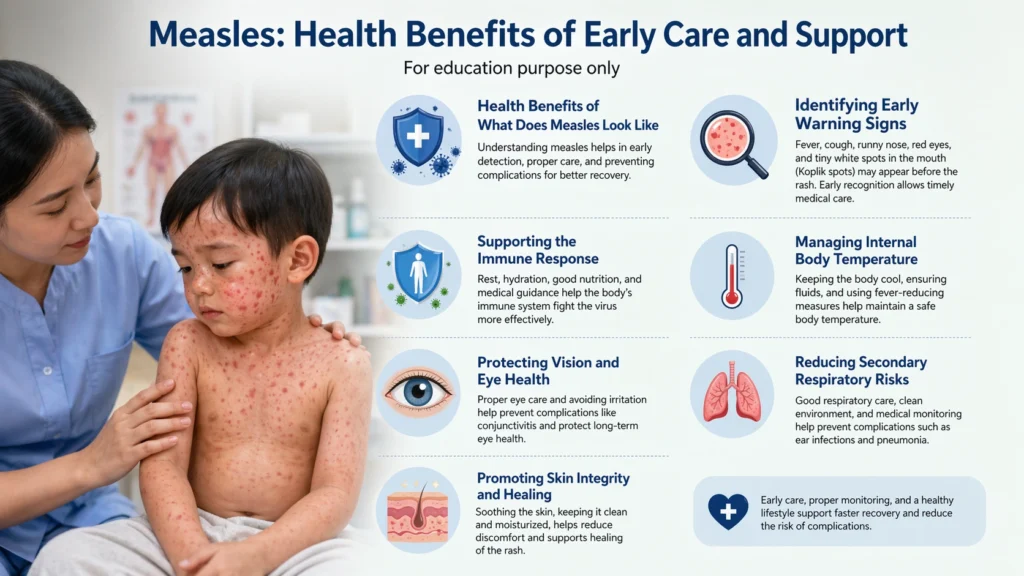
Actually, as measles is a viral infection rather than a beneficial herb, the focus here is on the health insights gained from early detection and the traditional management of the body’s recovery process as documented in research and Ayurvedic practice.
Identifying Early Warning Signs
Recognizing the initial symptoms allows for earlier isolation and medical consultation which can prevent further transmission to vulnerable individuals. Research indicates that identifying these signs during the first few days of fever can significantly impact public health outcomes by slowing the spread of the virus.
Supporting the Immune Response
Understanding the progression of the virus helps in providing the body with the rest and hydration it needs to mount a successful defense. Documented clinical observations suggest that maintaining high levels of hydration supports the mucous membranes in their role as a barrier against secondary bacterial infections.
Managing Internal Body Temperature
In traditional Ayurvedic practice, the focus during an eruptive fever is on balancing the internal heat through cooling measures and light nutrition. Traditional texts suggest that keeping the digestive fire stable while the body fights an infection can lead to a more comfortable recovery period.
Protecting Vision and Eye Health
One of the secondary effects of the virus is significant sensitivity to light and inflammation of the eyes. By recognizing the early signs in the mouth, caregivers can take steps to ensure the individual stays in a dimly lit environment, which clinical studies show can reduce ocular discomfort.
Reducing Secondary Respiratory Risks
Early identification of the viral symptoms allows healthcare providers to monitor for common complications such as pneumonia or bronchitis. Scientific literature emphasizes that early supportive care can reduce the risk of these secondary issues by ensuring the respiratory tract remains clear.
Promoting Skin Integrity and Healing
As the virus moves from the mouth to the skin, traditional practices emphasize the importance of not scratching and using soothing topical applications. Evidence-based studies on skin health during viral exanthems suggest that keeping the skin clean and moisturized can prevent scarring and secondary skin infections.
Scientific Research and Evidence
The role of Vitamin A in managing the severity of the virus has been extensively documented by international health experts. Dr. Alfred Sommer, a prominent researcher in nutritional science, stated that Vitamin A supplementation can significantly reduce mortality rates in children with severe cases of the infection. According to researcher Alfred Sommer, the deficiency of this nutrient makes the mucous membranes more susceptible to damage by the virus. Vitamin A and Measles — Alfred Sommer, 2008. The Journal of Infectious Diseases. https://academic.oup.com/jid/article/189/Supplement_1/S201/824314
The historical context of these spots was refined by the work of Dr. Henry Koplik himself, but modern researchers like Dr. Paul Fine have expanded on the epidemiological impact of early detection. Dr. Paul Fine, a professor of infectious disease epidemiology, noted that in a world with varying levels of vaccination, the ability of a clinician to recognize these oral signs is a vital tool for preventing outbreaks. Measles: The World Health Context — Paul Fine, 2015. PubMed Central. https://www.ncbi.nlm.nih.gov/pmc/articles/PMC4361118/
Where to Find What Does Measles Look Like
While the virus itself is something we seek to avoid, information regarding its presence and the tools for monitoring health can be found in several places. If you are looking for reliable diagnostic tools like high-quality thermometers or penlights to check the inside of the mouth, these are readily available at local pharmacies or through online retailers like Amazon and iHerb. When purchasing medical tools for home use, it is always wise to look for certifications such as FDA approval or ISO standards to ensure accuracy.
For those interested in the Ayurvedic herbs often used to support the body during recovery, such as Neem or Manjistha, these can be sourced from reputable Ayurvedic stores or organic health markets. It is important to ensure that any herbal products are third-party tested for purity and free from heavy metals. Quality certifications like USDA Organic or India Organic can give you peace of mind regarding the authenticity of the herbs used in traditional health practices.
How to Consume What Does Measles Look Like
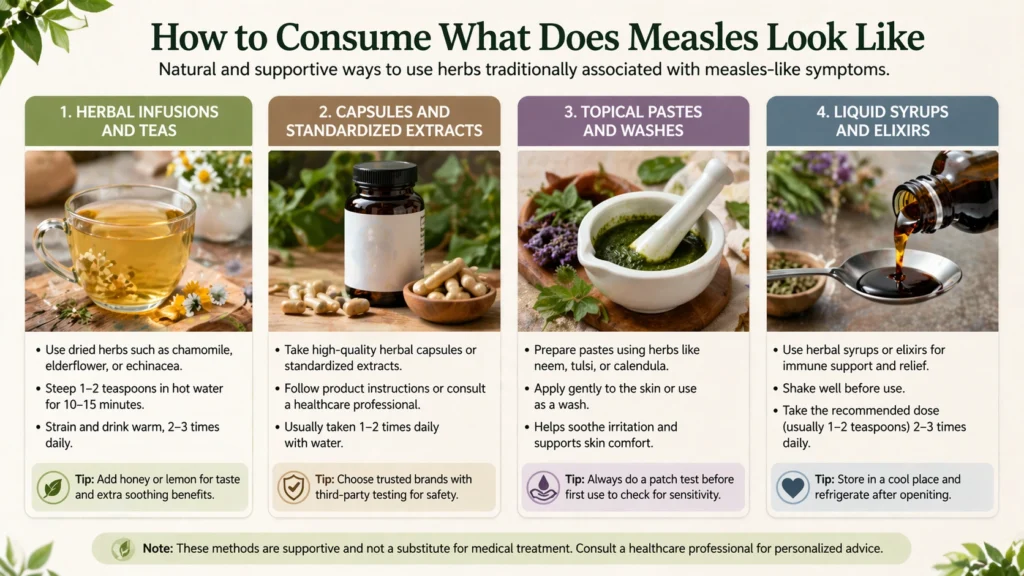
The following methods describe how various traditional supports have been used in the context of viral recovery and systemic health, as observed in clinical and historical settings.
Herbal Infusions and Teas
Traditional practice often involves the use of warm herbal infusions made from cooling herbs to help maintain hydration. Research into traditional medicine has observed the use of Tulsi or Ginger tea to support the respiratory system during the early stages of a viral infection.
Capsules and Standardized Extracts
In modern clinical studies, participants have often been given standardized extracts of herbs like Neem or Vitamin A in capsule form to ensure a consistent dosage. This method is typically used in research settings to measure the precise impact of a nutrient or herb on the immune response.
Topical Pastes and Washes
For the skin rash that follows the oral spots, traditional Ayurvedic practitioners have historically used pastes made from sandalwood or neem leaves. Clinical observations of these practices suggest they may help in soothing the skin and reducing the urge to scratch, thereby protecting skin integrity.
Liquid Syrups and Elixirs
In pediatric care, liquid forms of supportive nutrients are often preferred for ease of administration. Studies on childhood illness have documented the use of fortified syrups to deliver essential vitamins that the body depletes rapidly during a high fever.
Safety and Side Effects
While the body is incredibly resilient, a viral infection like measles carries significant risks that should never be ignored. Potential side effects of the virus itself include severe dehydration, ear infections, and in more serious cases, swelling of the brain or pneumonia. It is crucial for pregnant women, young children, and individuals with compromised immune systems to be extra vigilant, as they are at a much higher risk for complications.
Interactions with medications are also a concern, particularly if an individual is already taking immunosuppressants or certain steroids. Using herbal supports without professional guidance can sometimes mask symptoms that a doctor needs to see. Always ensure that the focus remains on professional medical diagnosis and treatment, especially when dealing with a condition that is so highly transmissible and potentially serious.
FAQ
What is the very first sign of measles in the mouth?
The earliest sign is typically the appearance of Koplik spots, which are small white or bluish-white specks that look like tiny grains of sand. According to clinical documentation, these appear on the inner lining of the cheeks, usually opposite the lower molars. They often show up a day or two before the skin rash begins and are a key indicator that the virus is present.
How long do the spots inside the mouth last?
Research findings suggest that these oral lesions are quite fleeting, usually lasting only about eighteen to forty-eight hours. As the red skin rash begins to spread from the face down to the rest of the body, the spots in the mouth typically begin to fade. This is why it is so important to check the mouth early if a high fever and cough are present.
Can you have measles without the spots in the mouth?
While Koplik spots are a classic sign, they are not always noticed because they appear and disappear so quickly. Some studies indicate that in vaccinated individuals who experience a breakthrough infection, the symptoms might be much milder or the spots might not appear at all. However, in most standard cases, they are considered a hallmark of the early stage.
Are the spots inside the mouth painful?
Traditional health records and clinical reports generally describe these spots as being painless. Unlike canker sores or other types of mouth ulcers, they do not typically cause significant discomfort when eating or drinking. Their primary significance is diagnostic rather than symptomatic, acting as a visual signal of the internal viral activity.
Is there a specific Ayurvedic treatment for these mouth spots?
Ayurvedic tradition does not focus on treating the spots themselves but rather on addressing the systemic heat and toxicity in the body. Historical texts suggest the use of bitter and cooling herbs to balance the blood and support the liver during the infection. Research into these traditional methods often focuses on how they support the body’s natural detoxification processes during a fever.
Conclusion
Understanding what does measles look like inside the mouth is a powerful tool for early detection and proactive health management. By identifying the unique signature of Koplik spots, you can bridge the gap between initial flu-like symptoms and the full-blown viral rash. This knowledge, rooted in both the meticulous observations of modern clinical research and the holistic wisdom of Ayurveda, empowers you to act swiftly in seeking professional medical advice.
The journey through a viral illness is a testament to the body’s incredible ability to fight and heal. By supporting the system with hydration, rest, and the cooling principles of traditional wellness, you provide a foundation for recovery. However, because this condition can lead to serious health complications, it is absolutely essential that you consult with a qualified healthcare provider as soon as you suspect an infection. They can provide the necessary diagnostic testing and guidance to ensure the safety and well-being of both the individual and the community.
Related Post: Proven Neem for Fungal Infections That Will Restore Your Skin

One thought on “The “Hidden Signs” Style: What Does Measles Look Like Inside the Mouth? The Secret ‘Koplik Spots’ You Should Check Now”