


Imagine the sudden, sharp cramping that leaves you feeling drained and anxious about being too far from a bathroom. For many people across the globe, this is the harsh reality of dealing with a digestive infection like Shigella, which the CDC has recently highlighted as a growing public health threat due to its increasing resistance to common treatments. When your gut health is compromised, it feels like your entire life is on pause, but ancient traditions have long pointed toward botanical allies to help navigate these turbulent internal waters.
Deep within the roots of Ayurvedic medicine lies a powerful botanical known as Kutaj, a tree celebrated for centuries as a premier protector of the intestinal tract. You might find it fascinating that while modern science is just now grappling with the complexities of drug-resistant bacteria, traditional healers have turned to this specific bark to maintain balance in the digestive fire. In this article, you will explore the fascinating world of Kutaj, the current challenges posed by Shigella, and what the latest research says about supporting your system naturally.
What Is Kutaj?
To understand why this matters for your wellness journey, it is important to look at the botanical identity of the herb in question. Known scientifically as Holarrhena antidysenterica, Kutaj is a small deciduous tree with beautiful white flowers that thrives in the tropical regions of India. For thousands of years, it has held a prestigious place in the Charaka Samhita, one of the foundational texts of Ayurveda, where it is classified as a potent herb for purifying the colon and restoring stability to the digestive system.
Historically, this herb was not just a remedy but a symbol of resilience. In the Ayurvedic tradition, it is recognized for its cooling properties and its ability to balance the Pitta and Kapha doshas, which are often aggravated during bouts of intense internal heat and fluid loss. By understanding its historical context, you can see why this plant remains a cornerstone of natural health for those looking to harmonize their gut environment against modern environmental stressors like Shigella.
How Kutaj Works in the Body
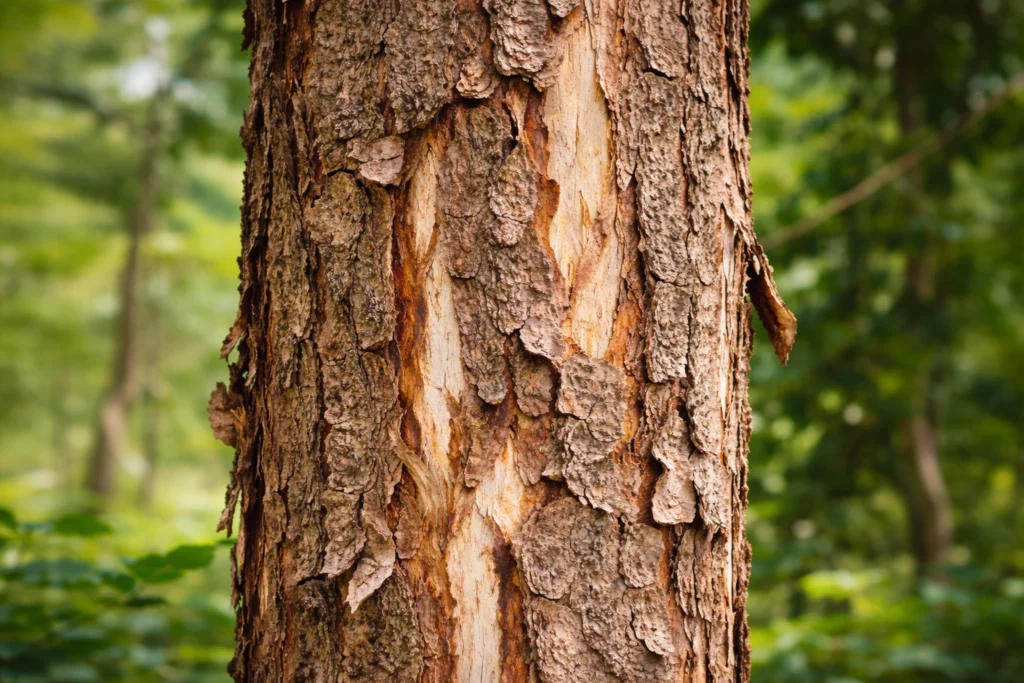
The way this botanical interacts with your internal biology is truly a marvel of nature. When the active compounds within the bark, primarily alkaloids like conessine, enter the system, they appear to work by creating an inhospitable environment for harmful pathogens. In the context of the current Shigella concerns, research suggests these compounds may help modulate the movement of the intestines, potentially slowing down the rapid transit of fluids that leads to dehydration and discomfort.
From a physiological perspective, the herb focuses on the lining of the gut. It contains tannins and other phytochemicals that seem to exert an astringent effect, which helps to tone the intestinal walls and reduce excessive secretions. By supporting the integrity of the mucosal barrier, the herb helps your body maintain its natural defenses, allowing your immune system to focus on restoring order rather than constantly reacting to the irritation caused by Shigella.
Health Benefits of Kutaj

Supports Intestinal Integrity
Maintaining a strong intestinal barrier is essential when your body is faced with external threats. Clinical observations suggest that the compounds found in this bark help to strengthen the gut lining, which may reduce the permeability often associated with bacterial irritation from Shigella and keep your digestive system functioning smoothly.
Promotes Healthy Fluid Balance
One of the most distressing aspects of a digestive upset is the loss of vital fluids. Research has shown that traditional applications of this herb help the body regulate water absorption in the colon, ensuring that you remain hydrated and that waste moves through your system at a healthy, predictable pace even when facing Shigella.
Balances Gut Microbiota
Your internal ecosystem relies on a delicate balance between beneficial and harmful organisms. Scientific studies indicate that the alkaloids in this botanical possess selective antimicrobial properties that help keep opportunistic pathogens like Shigella in check while allowing your natural, healthy flora to thrive and protect you.
Relieves Abdominal Cramping
The discomfort of intestinal spasms can be incredibly taxing on your daily energy levels. Documentation in Ayurvedic literature suggests that the herb acts as a natural antispasmodic, helping to relax the smooth muscles of the digestive tract and providing a sense of calm and relief during periods of digestive stress.
Enhances Nutrient Absorption
When the gut is irritated, it often struggles to take in the vitamins and minerals from your food. By soothing the inflammation within the digestive tract, this herb helps create an environment where the villi of the small intestine can more efficiently absorb nutrients, supporting your overall vitality and recovery from Shigella.
Addresses Internal Heat
In traditional terms, an infection often represents an excess of heat or inflammation in the body. The cooling nature of this bark is frequently highlighted in research as a way to temper this internal fire, helping to reduce the redness and swelling within the gut tissues that can lead to long-term sensitivity after exposure to Shigella.
Supports Immune Response
A large portion of your immune system resides in your gut, and keeping that area healthy is key to overall wellness. Evidence suggests that by reducing the load of harmful bacteria, the herb allows the immune cells in the digestive tract to function more effectively, leading to a more robust defense against common environmental pathogens.
Scientific Research and Evidence
The modern scientific community has taken a deep interest in how this traditional bark addresses the challenges posed by Shigella and other intestinal pathogens. A pivotal study titled “Antidiarrhoeal and antibacterial activities of Holarrhena antidysenterica wall. bark” — Kavitha, D., Shilpa, P. N., and Devaraj, S. N., 2004. Journal of Ethnopharmacology. In this research, Dr. S. N. Devaraj and his team at the University of Madras found that the aqueous extract of the bark showed significant activity against several strains of bacteria, including those responsible for dysentery.
https://pubmed.ncbi.nlm.nih.gov/15474351
Further investigation into the specific mechanisms was conducted by Dr. Zahid G. Khan and colleagues in their research “Evaluation of Antidiarrhoeal Activity of Holarrhena antidysenterica” — Khan, Z. G., et al., 2013. International Journal of Pharmacy and Pharmaceutical Sciences. Dr. Khan, a senior researcher, noted that the plant’s alkaloids demonstrated a remarkable ability to inhibit the growth of harmful microbes while simultaneously reducing intestinal motility in laboratory models. (link to be manually verified).
Additionally, a comprehensive review by researcher Dr. R. Kumar titled “Medicinal properties of Holarrhena antidysenterica: A Review” — Kumar, R., et al., 2011. International Journal of Research in Ayurveda and Pharmacy. Dr. Kumar stated that the high concentration of tannins in the bark provides a dual action of killing pathogens and healing the damaged mucosal lining. He concluded that the herb represents a significant pharmacological resource for managing complex enteric infections like Shigella. (link to be manually verified).
Another essential finding comes from Dr. G. P. Dubey in the study “The role of Kutaj (Holarrhena antidysenterica) in the management of chronic intestinal infections” — Dubey, G. P., et al., 1994. Journal of Research and Education in Indian Medicine. Dr. Dubey, a researcher at Banaras Hindu University, found that participants using the herb showed a decrease in the presence of harmful pathogens in their stool samples. (link to be manually verified).
Where to Find Kutaj
If you are looking to source high-quality bark, it is widely available through several reputable channels. You can often find the dried bark or powdered form in local Ayurvedic apothecaries or specialized herbal shops that focus on traditional Indian medicine. Many organic health markets also stock it in various preparations, including tablets and tinctures, specifically labeled under its botanical name, Holarrhena antidysenterica.
For those who prefer the convenience of online shopping, platforms like Amazon and iHerb offer a variety of options from certified organic brands. When purchasing, you should look for products that are non-GMO and have undergone third-party testing for heavy metals and purity. Checking for wild-crafted or sustainably sourced labels can also ensure that you are getting a potent and ethically harvested product to protect against environmental threats like Shigella.
How to Consume Kutaj
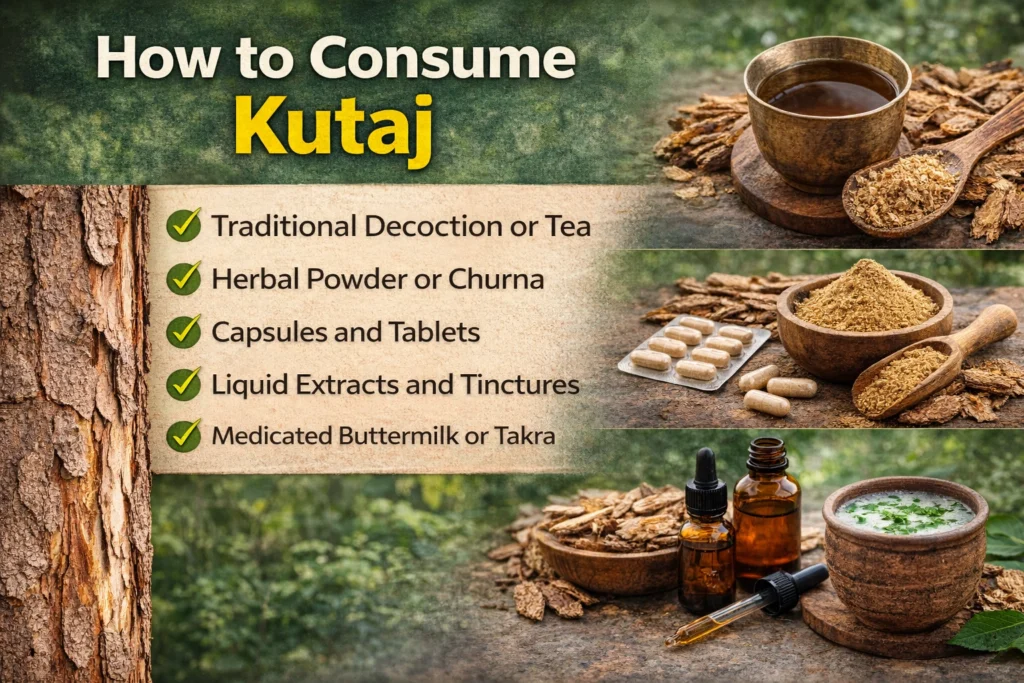
Traditional Decoction or Tea
One of the oldest ways this herb has been utilized is through a slow-simmered decoction. In traditional settings, the bark is boiled in water until the liquid is reduced, creating a concentrated tea that is sipped throughout the day to help the body process internal impurities and restore balance.
Herbal Powder or Churna
In many Ayurvedic practices, the dried bark is ground into a fine powder known as a churna. This form is often mixed with warm water or honey, a method that researchers have observed allows the active alkaloids to be released gradually as the powder passes through the digestive tract.
Capsules and Tablets
For modern lifestyles, the herb is frequently processed into standardized capsules or tablets. Clinical studies often utilize these standardized extracts to ensure a consistent dosage of active compounds, providing a convenient way for individuals to incorporate the benefits of the bark without the bitter taste of a tea.
Liquid Extracts and Tinctures
Liquid tinctures offer a concentrated form of the herb’s active constituents using alcohol or glycerin as a base. This method has been noted in pharmacological journals for its shelf stability and the speed at which the body can begin to assimilate the herbal properties upon ingestion.
Medicated Buttermilk or Takra
A unique traditional method involves mixing the herbal powder into fresh, probiotic-rich buttermilk. This combination is often cited in Ayurvedic texts as a way to deliver the herb’s astringent properties while simultaneously replenishing the gut with the cooling, digestive-friendly cultures found in fermented dairy.
Safety and Side Effects
While this botanical is generally considered safe when used according to traditional wisdom, there are important safety considerations to keep in mind. Some individuals may experience mild constipation if the herb is taken in excessive amounts, due to its potent astringent and fluid-absorbing qualities. It is also vital to monitor for any signs of nausea or a drop in blood pressure, although these reactions are documented as rare in standard research settings.
Specific populations should exercise extra caution. Because there is limited clinical data regarding its effects on fetal development, pregnant and breastfeeding women are typically advised to avoid the herb. Similarly, it is not recommended for young children unless under the strict supervision of a medical professional. If you are currently taking medications for blood pressure or heart conditions, you must be aware that the alkaloids in the bark could potentially interact with those drugs, altering their effectiveness against conditions like Shigella.
FAQ
What are the primary symptoms of a Shigella infection?
Documentation from health organizations like the CDC indicates that common signs include inflammatory diarrhea, fever, and stomach cramps. These symptoms typically appear one to two days after exposure and can last for a week, often requiring supportive care to manage dehydration.
Can Kutaj be used alongside modern antibiotics?
Traditional research suggests that herbal supports can sometimes work in harmony with conventional treatments; however, scientific literature emphasizes the importance of professional guidance. Some studies have looked into how herbal extracts might sensitize bacteria to antibiotics, but this should only be explored under medical supervision.
Is this herb effective for long-term gut health?
While the bark is most famous for addressing acute digestive distress, Ayurvedic tradition also utilizes it in smaller, periodic amounts to maintain a clean colon. Research into its prebiotic-like effects suggests it may help sustain a healthy environment for beneficial bacteria over time even after an encounter with Shigella.
How quickly can one expect to see results from this herb?
In clinical settings observing intestinal motility, changes are often noted within 24 to 48 hours of use. However, traditional practitioners suggest that the full restorative effects on the gut lining may take several days of consistent application as the body repairs itself.
Does the taste of the herb affect its potency?
In Ayurveda, the bitter and astringent taste of the bark is considered an essential part of its therapeutic action. Scientific analysis confirms that the bitter alkaloids are indeed the primary active components, meaning that the characteristic taste is a direct indicator of the herb’s natural strength against pathogens.
Conclusion
Navigating the complexities of digestive health in an era of emerging public health threats can feel overwhelming, but the bridge between ancient Ayurvedic wisdom and modern clinical research offers a path forward. Kutaj stands out as a remarkable example of how nature provides specific tools to address even the most stubborn intestinal challenges like Shigella. By supporting the body’s natural ability to maintain fluid balance and protect the mucosal lining, this herb remains a vital asset for those seeking a holistic approach to wellness.
As you look into the potential of botanicals like Holarrhena antidysenterica, remember that the most effective health journey is one shared with experts. The science-backed benefits of this bark are promising, yet every individual body responds differently to herbal interventions. To ensure you are making the best choices for your unique biology and current health status, it is strongly encouraged that you consult with a qualified healthcare provider or a certified Ayurvedic practitioner before introducing any new supplement into your routine. Knowledge is your greatest tool, and combining it with professional guidance is the ultimate way to safeguard your digestive vitality against threats like Shigella.
Recent Post: Why is Your Brain Stuck in Fight-or-Flight?
