

We have all been there—standing in front of the pantry, feeling that mid-afternoon hunger strike, and wishing there was a simple, natural way to feel full without compromising our health goals. If you have been searching for a sustainable partner in your weight loss efforts, you might be surprised to find that the tiny, unassuming chia seed is one of the most potent allies available. These ancient seeds are not just a modern “superfood” trend; they are a nutritional powerhouse that can help you manage cravings and nourish your body at a cellular level.
In this guide, I want to walk you through the remarkable synergy between ancient Ayurvedic wisdom and contemporary clinical research. You will discover exactly how these seeds interact with your unique physiology to promote a leaner frame and more vibrant energy. Whether you are struggling with stubborn plateas or just starting your wellness transformation, understanding the science of the chia seed will give you the clarity and motivation you need to succeed.
What Is the Chia Seed?
Botanically known as Salvia hispanica, the chia seed belongs to the mint family and is native to central and southern Mexico and Guatemala. Historically, these seeds were a staple for Aztec and Mayan warriors, who prized them for their ability to provide sustainable energy during long journeys and battles. In those ancient cultures, the word “chia” actually translated to “strength,” reflecting the deep respect these civilizations had for the seed’s dense nutritional profile.
From an Ayurvedic perspective, chia seeds are a fascinating addition to a traditional cooling diet. While they were not native to ancient India, modern Ayurvedic practitioners categorize them based on their Guna (qualities) and Rasa (taste). They are considered heavy (Guru) and oily (Snigdha), which makes them excellent for balancing Vata dosha, but their high fiber content ensures they do not overly aggravate Kapha when used mindfully for weight loss purposes. Their ability to absorb many times their weight in water aligns with the Ayurvedic principle of providing “bulk” to the digestive tract to clear out toxins.
How Chia Seeds Work in the Body
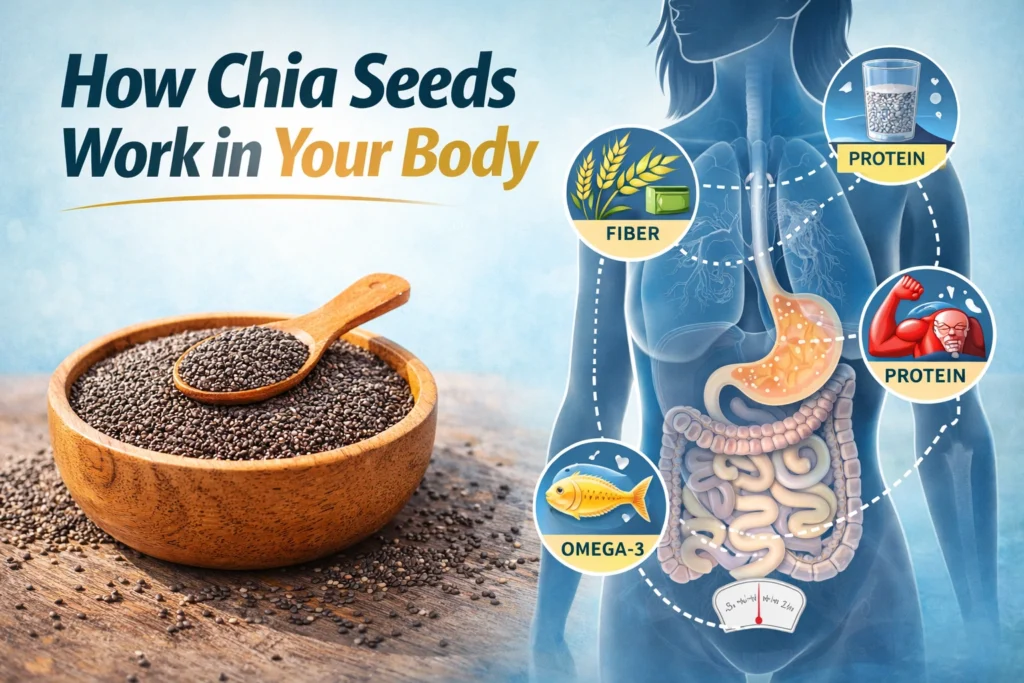
The magic of the chia seed lies in its unique mucilaginous properties. When you soak these seeds, they develop a gelatinous coating that slows down the digestion of carbohydrates, preventing the sharp insulin spikes that often lead to fat storage. This slow-release energy is a cornerstone of effective weight loss because it keeps your blood sugar stable throughout the day. Biologically, they are packed with alpha-linolenic acid (ALA), a plant-based omega-3 fatty acid that helps reduce systemic inflammation, a hidden driver of metabolic dysfunction.
Physiologically, the high concentration of soluble fiber acts like a broom for your intestines. As it moves through your system, it picks up waste products and excess cholesterol, supporting the liver’s natural detoxification processes. In Ayurveda, we refer to this as clearing Ama, or metabolic sludge. By reducing the toxic load on your body and improving your “Agni” or digestive fire through better elimination, you create an internal environment where your body feels safe enough to release stored fat.
Health Benefits of Chia Seeds
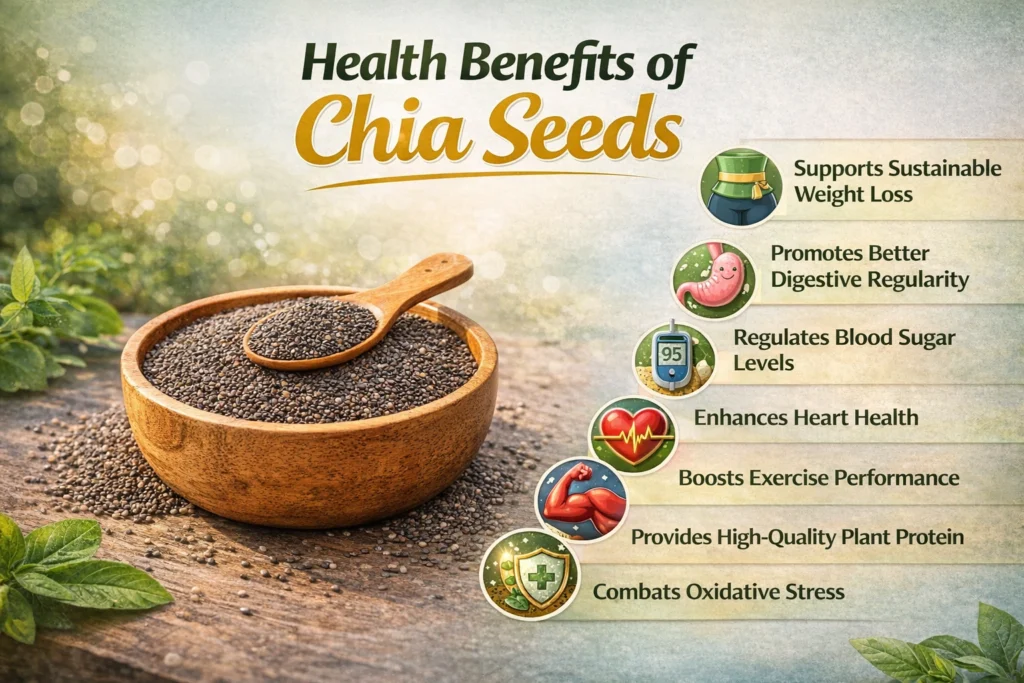
Supports Sustainable Weight Loss
When you incorporate chia seeds into your daily routine, the primary benefit is the significant increase in satiety. The fiber expands in your stomach, sending signals to your brain that you are full, which naturally reduces your overall caloric intake without the feeling of deprivation. This makes weight loss feel like a natural byproduct of your diet rather than a constant uphill battle against hunger.
Promotes Better Digestive Regularity
A healthy gut is the foundation of any successful body transformation. Chia seeds provide the roughage necessary to keep your bowel movements regular, preventing the bloating and heaviness that can make you feel discouraged. By supporting a healthy microbiome, these seeds ensure that your body is efficiently absorbing nutrients while effectively eliminating waste.
Regulates Blood Sugar Levels
Fluctuating glucose levels are a major enemy of long-term weight loss success. The fiber and healthy fats in chia seeds slow down the conversion of starches into sugars, which helps maintain a steady stream of energy. This prevents the “crash and crave” cycle that often leads to overeating sugary snacks in the late afternoon.
Enhances Heart Health
Your cardiovascular system benefits immensely from the omega-3 fatty acids found in these tiny seeds. Regular consumption can help lower LDL cholesterol and triglycerides, which are often elevated in individuals struggling with excess weight. Protecting your heart is an essential part of a holistic approach to a healthier, more active lifestyle.
Boosts Exercise Performance
Because chia seeds can hold so much water, they help maintain hydration and electrolyte balance during physical activity. This is vital for weight loss because it allows you to power through your workouts with more stamina and less fatigue. You will find yourself recovering faster and feeling more motivated to stay moving throughout the week.
Provides High-Quality Plant Protein
Many people overlook the protein content of chia seeds, yet they contain all nine essential amino acids. Protein is crucial for maintaining muscle mass while you are losing fat, ensuring that your metabolism remains high. This makes them an excellent addition for anyone following a plant-based or vegetarian path to a leaner body.
Combats Oxidative Stress
The antioxidants found in chia seeds, such as quercetin and kaempferol, protect your cells from the damage caused by free radicals. This is particularly important during weight loss because the breakdown of fat cells can release stored toxins into the bloodstream. These antioxidants act as a shield, keeping your skin glowing and your cells functioning optimally.
Scientific Research and Evidence
Modern science has taken a keen interest in how these seeds impact our physiology. A study titled “Chia seed supplementation and weight loss in overweight and obese adults with type 2 diabetes” by Ferreira et al. (2017), published in Nutrition, Metabolism and Cardiovascular Diseases, found that participants who consumed chia seeds daily experienced significantly greater reductions in weight and waist circumference compared to the control group. This research highlights the practical application of the seed in clinical settings for metabolic improvement.CHIA SEED (SALVIA HISPANICA L.) CONSUMPTION ON CARDIOVASCULAR RISK FACTORS IN HUMANS: A SYSTEMATIC REVIEW
Another important piece of evidence is found in the study “Effect of Chia Seed (Salvia hispanica L.) on Cardiovascular Risk Factors in Humans” by Vuksan et al. (2007), published in Diabetes Care. This research demonstrated that chia seeds could significantly reduce systolic blood pressure and C-reactive protein, a marker of inflammation. Since chronic inflammation is closely linked to obesity, these findings support the use of chia seeds as a functional food for supporting overall weight loss and heart health.pubmed.ncbi
Furthermore, a review titled “The Promising Future of Chia, Salvia hispanica L.” by Ullah et al. (2016), published in the Journal of Food Science and Technology, detailed the seed’s impressive nutrient density. The researchers noted that the high fiber-to-calorie ratio makes it one of the most effective foods for managing appetite. By providing evidence-based validation for traditional uses, these studies confirm that your journey toward weight loss can be significantly bolstered by this simple dietary addition.pmc.ncbi
Where to Find Chia Seeds
You will be happy to know that chia seeds are now widely available and very affordable. You can find them in the health food aisle of almost any local grocery store or at dedicated organic markets. When shopping, look for “black” or “white” chia seeds; both offer nearly identical nutritional benefits, though white seeds are often preferred for aesthetic reasons in lighter-colored foods like puddings.
For the best results in your weight loss journey, I recommend choosing organic, non-GMO verified seeds to avoid pesticide residues. If you prefer shopping from the comfort of your home, online platforms like Amazon, iHerb, or specialized Ayurvedic suppliers offer bulk options. Always check that the packaging is airtight, as the healthy oils in the seeds can eventually go rancid if exposed to heat and light for extended periods.
How to Consume Chia Seeds
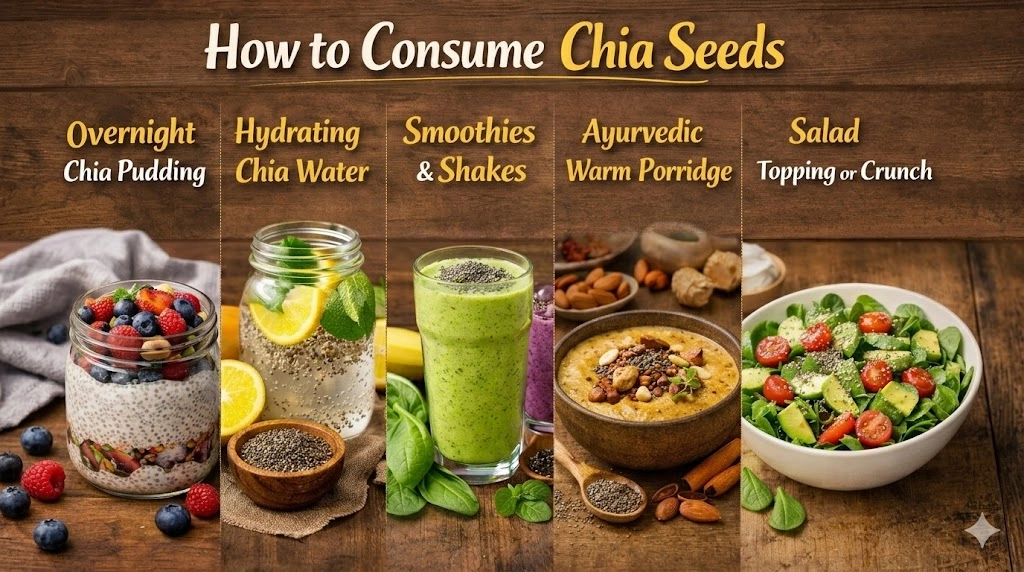
Overnight Chia Pudding
One of the most delicious ways to support weight loss is by making a simple pudding. Mix two tablespoons of seeds with half a cup of almond or coconut milk and let it sit in the fridge overnight. In the morning, you will have a thick, satisfying breakfast that keeps you full until lunch, preventing unnecessary snacking.
Hydrating Chia Water
For a quick metabolism boost, you can simply add a teaspoon of seeds to a large glass of water with a squeeze of fresh lemon. Let it sit for about ten minutes until the seeds soften and develop their characteristic gel. Drinking this thirty minutes before a meal is a fantastic strategy for portion control and healthy weight loss.
Smoothies and Shakes
If you enjoy a morning green smoothie, tossing in a tablespoon of chia seeds is an easy way to add fiber and protein without changing the flavor. They blend easily and provide a creamy texture that makes your smoothie feel more like a meal. This is a perfect habit for anyone looking to simplify their weight loss nutrition.
Ayurvedic Warm Porridge
In Ayurveda, we often prefer warm foods to support digestion. You can stir chia seeds into your morning oatmeal or quinoa porridge as it finishes cooking. The warmth helps the seeds expand quickly, and the combination of complex carbs and healthy fats is ideal for steady energy and long-term weight loss.
Salad Topping or Crunch
For those who prefer a little texture, you can sprinkle dry chia seeds directly over salads or roasted vegetables. While they don’t provide the same hydration benefit when dry, they still offer a significant dose of fiber and omega-3s. It is a simple “set it and forget it” way to enhance the nutrient density of your daily weight loss meals.
Recommended Dosage
- Standard Adult Dose: 1 to 2 tablespoons (approx. 15–30 grams) per day.
- For Beginners: Start with 1/2 tablespoon daily to allow your digestive system to adjust to the high fiber content.
- Hydration Requirement: Always consume at least 8 ounces of water for every tablespoon of chia seeds to prevent digestive discomfort.
Safety and Side Effects
While chia seeds are generally safe for most people, their high fiber content can cause temporary digestive upset if you introduce them too quickly. Some people may experience gas, bloating, or constipation if they do not drink enough water alongside the seeds. It is always best to start with a small amount and listen to your body’s signals as you integrate them into your weight loss plan.
If you are currently taking medication for blood pressure or blood sugar, please be aware that chia seeds may enhance the effects of these drugs. Because they naturally help lower both glucose and pressure, your dosages may need adjustment by your doctor. Additionally, individuals with a history of esophageal narrowing or swallowing difficulties should only consume chia seeds that have been fully pre-soaked to avoid any risk of the seeds expanding in the throat.
FAQ
Can I eat chia seeds dry?
Yes, you can eat them dry, but it is not the most effective way for weight loss. When they are dry, they absorb moisture from your body, which can lead to dehydration or constipation. Pre-soaking them ensures you get the maximum hydration benefits and makes them much easier for your body to digest.
How long does it take to see results?
Consistency is key when using any herbal or dietary tool. While you might feel more satiated and less bloated within a few days, meaningful weight loss usually becomes apparent after four to eight weeks of daily use, especially when combined with a balanced diet and regular movement.
Are black chia seeds better than white ones?
Nutritionally, there is almost no difference between the two. Black seeds have slightly more antioxidants (anthocyanins), while white seeds have a slightly higher protein content and a milder flavor. For your weight loss goals, either variety will work perfectly well.
Can chia seeds help with belly fat specifically?
While you cannot “spot reduce” fat, chia seeds help lower insulin levels and systemic inflammation. Since high insulin is often linked to the accumulation of visceral (belly) fat, incorporating them into your diet can certainly support a flatter stomach over time as part of a total weight loss strategy.
Is it safe to eat chia seeds every day?
Absolutely. In fact, daily consumption is recommended to reap the full cardiovascular and digestive benefits. Just remember to vary the ways you prepare them so you don’t get bored, and always keep your water intake high to support the fiber processing.
Conclusion
The journey toward a healthier weight is rarely a straight line, but incorporating ancient staples like the chia seed can make the path much smoother. By blending the cooling, grounding principles of Ayurveda with the rigorous evidence of modern science, we see that weight loss is not just about eating less, but about nourishing more. These tiny seeds provide the “strength” their name implies, giving your body the tools it needs to regulate appetite and burn fuel efficiently.
Disclaimer
The information provided in this article is for educational and informational purposes only. It is not intended to be a substitute for professional medical advice, diagnosis, or treatment. Always consult a qualified healthcare provider or licensed Ayurvedic practitioner before starting any herbal supplement, especially if you are pregnant, nursing, taking medications, or have an existing health condition.
Related Post: 10 Incredible Benefits of Green Cardamom That Will Transform Your Health


4 thoughts on “Weight Loss: 7 Proven Ways Chia Seeds Can Transform Your Journey”