
Introduction
Natural remedies for inflammation are becoming increasingly popular as people look for holistic ways to manage pain, swelling, and chronic health conditions. Inflammation is the body’s natural defense mechanism, but when it becomes persistent it may contribute to joint pain, digestive problems, skin irritation, and fatigue.
For thousands of years, Ayurvedic medicine has used powerful herbs and natural compounds to calm inflammatory processes in the body. Herbs such as turmeric, ginger, boswellia, tulsi, and aloe vera are widely respected for their ability to support immune balance and reduce inflammation naturally.
In this article, you will learn how these natural remedies for inflammation work in the body, their health benefits, how to use them safely, and what modern scientific research says about their effectiveness.
What Is Natural Remedies for Inflammation?
The term natural remedies for inflammation refers to herbs, foods, and plant-based compounds that help regulate the body’s inflammatory response.
Many of these remedies come from traditional medical systems like Ayurveda, where inflammation is often associated with an imbalance of Pitta dosha. When Pitta becomes excessive, it may lead to heat-related symptoms such as redness, swelling, burning sensations, and digestive irritation.
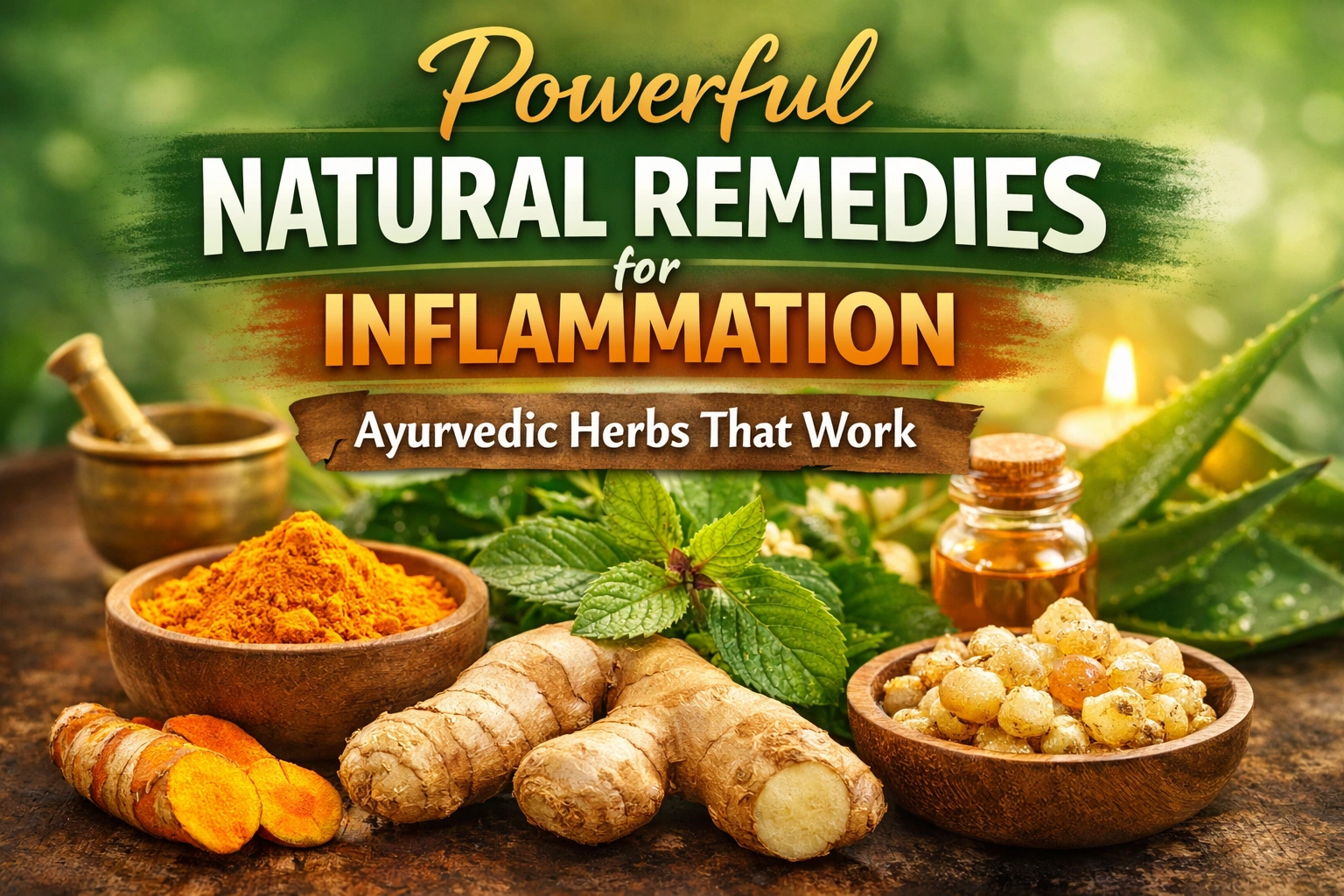
Some of the most important Ayurvedic herbs used for inflammation include:
- Turmeric (Curcuma longa) — known as Haridra in Ayurveda
- Ginger (Zingiber officinale) — called Shunthi
- Boswellia serrata — known as Shallaki
- Tulsi (Ocimum sanctum) — sacred basil
- Ashwagandha (Withania somnifera)
- Aloe Vera (Aloe barbadensis) — known as Kumari
These herbs have been described in classical Ayurvedic texts such as the Charaka Samhita and Sushruta Samhita as remedies for inflammatory disorders affecting joints, skin, and digestion.
How These Herbs Work in the Body
Natural anti-inflammatory herbs work through several biological mechanisms.
Ayurvedic Mechanism
In Ayurveda, these herbs help:
- Balance Pitta dosha
- Improve Agni (digestive fire)
- Remove Ama (toxic metabolic waste)
- Support tissue repair and immune balance
Active Compounds
Modern research shows that these herbs contain powerful bioactive compounds:
- Curcumin in turmeric
- Gingerol in ginger
- Boswellic acids in boswellia
- Eugenol and ursolic acid in tulsi
- Withanolides in ashwagandha
These compounds help regulate inflammatory pathways such as NF-kB and COX-2, which are involved in chronic inflammation.
Health Benefits of Natural Remedies for Inflammation

Reduce Joint Pain and Arthritis
Herbs like turmeric and boswellia are widely used for joint health. They help reduce inflammation in cartilage and connective tissues, potentially improving mobility and reducing pain.
Support Digestive Health
Ginger and aloe vera help calm inflammation in the digestive tract. They may assist with symptoms such as bloating, gastritis, and intestinal irritation.
Promote Heart Health
Chronic inflammation is linked with cardiovascular disease. Anti-inflammatory herbs may help support healthy blood vessels and circulation.
Strengthen Immune System
Herbs such as tulsi and turmeric contain antioxidants that help protect cells from oxidative damage and support immune function.
Help Reduce Muscle Pain
Ginger and turmeric are often used by athletes and active individuals to help reduce muscle soreness after physical activity.
Support Skin Healing
Aloe vera and turmeric have soothing properties that may help calm inflammatory skin conditions such as irritation or redness.
Manage Stress-Related Inflammation
Ashwagandha, an adaptogenic herb, helps the body adapt to stress and may reduce inflammation triggered by chronic stress.
Scientific Research and Evidence
Modern research supports many traditional uses of anti-inflammatory herbs.
Curcumin from turmeric has been shown to have strong anti-inflammatory and antioxidant effects in multiple clinical studies.
National Center for Biotechnology Information
A review published in PubMed found that curcumin may help reduce inflammatory markers in the body and support conditions such as arthritis and metabolic disorders.
PubMed Study
Clinical research suggests Boswellia serrata extract may improve joint function and reduce pain in osteoarthritis patients.
NCBI Study
According to NIH, ginger contains bioactive compounds with anti-inflammatory and antioxidant properties that may benefit digestive health and pain management.
National Institutes of Health
These studies highlight the growing scientific interest in traditional herbal medicine.
Where to Find Natural Anti-Inflammatory Herbs
You can find Ayurvedic herbs for inflammation in several places:
- Ayurvedic pharmacies and herbal stores
- Organic health food stores
- Local herbal markets
- Online retailers such as Amazon, iHerb, or specialty herbal websites
When purchasing herbs, look for:
- Organic or pesticide-free products
- Third-party quality testing
- Reputable herbal brands
- Standardized extracts for supplements
How to Consume These Herbs
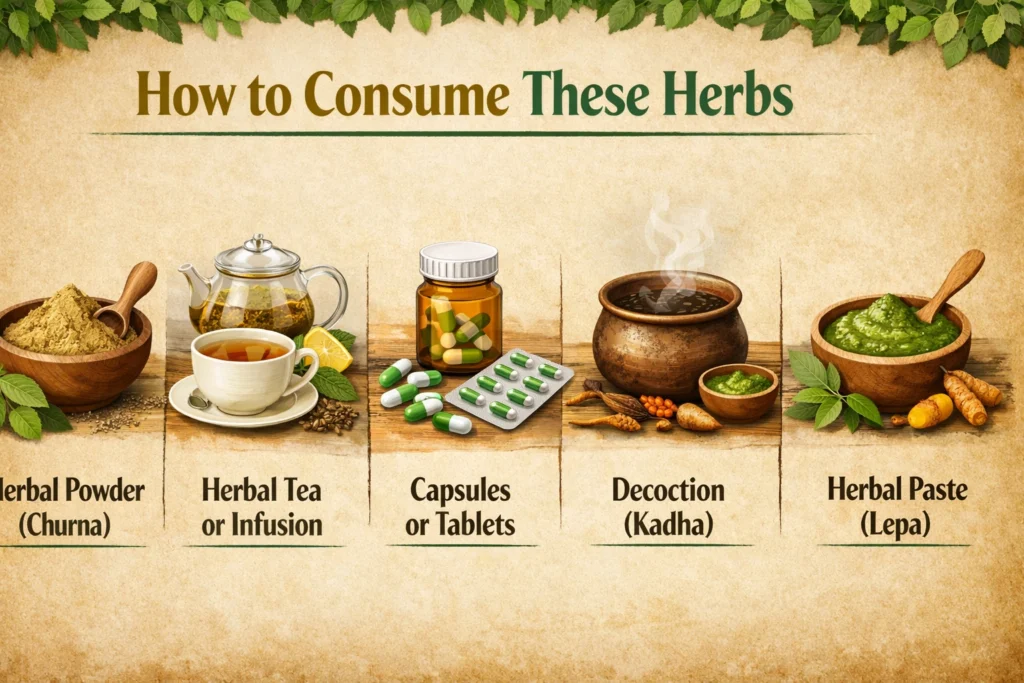
Herbal Powder (Churna)
Powdered herbs like turmeric or ashwagandha can be mixed with warm water or milk.
Herbal Tea or Infusion
Ginger or tulsi leaves can be steeped in hot water for a soothing anti-inflammatory tea.
Capsules or Tablets
Standardized extracts such as curcumin capsules are convenient for daily supplementation.
Decoction (Kadha)
Traditional Ayurvedic decoctions combine herbs like ginger, tulsi, and turmeric.
Herbal Paste (Lepa)
Turmeric or aloe vera paste can be applied to inflamed skin or joints.
Recommended Dosage
Typical dosage ranges include:
- Turmeric powder: 500–2000 mg per day
- Curcumin extract: 500–1000 mg daily
- Ginger powder: 1–2 grams daily
- Boswellia extract: 300–500 mg two to three times daily
- Ashwagandha powder: 1–3 grams daily
Dosage may vary depending on age, health status, and supplement form.
Safety and Side Effects
Natural remedies are generally safe but may cause side effects in certain cases.
Possible concerns include:
- Digestive discomfort from high doses of turmeric or ginger
- Blood-thinning effects when combined with certain medications
- Allergic reactions in rare cases
People who should consult a healthcare professional before using herbal remedies include:
- Pregnant or breastfeeding women
- Individuals taking blood thinners
- People with chronic medical conditions
- Patients preparing for surgery
FAQ
What is the most powerful natural anti-inflammatory herb?
Turmeric is widely considered one of the most powerful natural anti-inflammatory herbs due to its active compound curcumin.
How quickly do natural remedies for inflammation work?
Some herbs like ginger may provide short-term relief, while others like boswellia may require several weeks of consistent use.
Can diet reduce inflammation naturally?
Yes. A diet rich in vegetables, fruits, healthy fats, and herbs can help reduce chronic inflammation.
Which Ayurvedic herb is best for joint inflammation?
Boswellia and turmeric are commonly recommended for joint inflammation.
Conclusion
Inflammation plays a role in many modern health conditions, from joint pain and digestive disorders to fatigue and immune imbalance. Fortunately, traditional medicine systems like Ayurveda provide a wealth of natural remedies for inflammation that have been used for centuries.
Herbs such as turmeric, ginger, boswellia, tulsi, aloe vera, and ashwagandha offer promising natural support for reducing inflammation and promoting overall wellness.
Combining Ayurvedic wisdom with modern scientific research allows us to better understand how these herbs work and how they may benefit human health. However, herbal remedies should always be used responsibly and ideally under the guidance of a qualified healthcare professional.
DISCLAIMER
“The information provided in this article is for educational and informational purposes only. It is not intended to be a substitute for professional medical advice, diagnosis, or treatment. Always consult a qualified healthcare provider or licensed Ayurvedic practitioner before starting any herbal supplement, especially if you are pregnant, nursing, taking medications, or have an existing health condition.
Recent post.Green Tea Antioxidants and Daily Wellness
1 thought on “Powerful Natural Remedies for Inflammation: Ayurvedic Herbs That Work: 2026”