
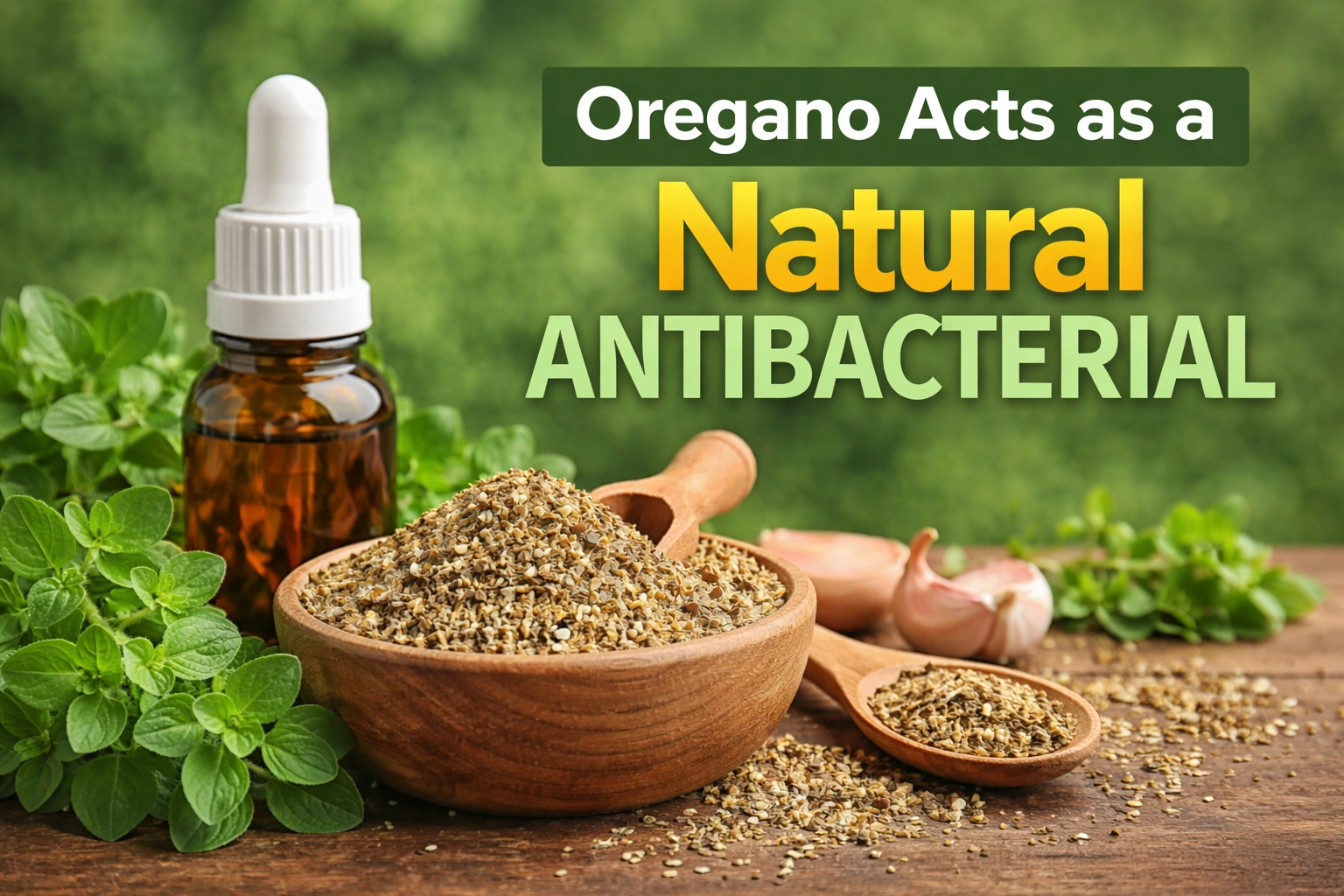
Have you ever noticed how a simple kitchen herb can sometimes carry the weight of a thousand years of healing history? Imagine you are feeling that familiar, scratchy tickle in the back of your throat, or perhaps your digestion has felt sluggish and “off” for days. In moments like these, many of us look toward the earth for a natural antibacterial solution that can support our body’s innate defenses without the harsh side effects of synthetic alternatives. Oregano, a resilient and aromatic plant from the sun-soaked Mediterranean hills, is far more than a pizza topping; it is a pharmaceutical powerhouse of the natural world that has been cherished by healers since ancient Greece.
In the sacred tradition of Ayurveda, we look at herbs like oregano as more than just a collection of chemicals; we see them as carriers of “Prana” or life-force energy. While it was once just a wild plant known as “joy of the mountain,” modern science has spent decades confirming what our ancestors intuitively knew. In this comprehensive guide, we are going to explore how this humble herb functions as a natural antibacterial powerhouse. You will discover the specific compounds that make it so effective, how it aligns with Ayurvedic energetic principles, and the most practical, science-backed ways to incorporate it into your daily wellness routine for lasting vitality.
What Is This Natural Antibacterial Herb?

To truly appreciate oregano, we must look at its botanical roots, specifically the variety known as Origanum vulgare. While there are dozens of species of oregano, the wild Mediterranean variety is the one prized for its high concentration of volatile oils. Historically, the Greeks used it to treat skin infections and promote wound healing, while ancient Chinese practitioners utilized it to address digestive upset and respiratory congestion. It is a hardy, perennial shrub with small, spade-shaped leaves and delicate purple flowers, but its true strength is concentrated within the microscopic oil glands on those very leaves.
From an Ayurvedic perspective, oregano is classified by its “Rasa” (taste) and “Virya” (energetic effect). It possesses a pungent and slightly bitter taste, which gives it a heating energy that is perfect for stimulating a sluggish system. Because it is so warming, it is traditionally used to balance Kapha and Vata doshas, helping to clear out excess mucus and stagnant energy. When we refer to it as a natural antibacterial agent in a holistic sense, we are acknowledging its ability to kindle the digestive fire, known as Agni, while simultaneously clearing the physical channels of the body from unwanted pathogens.
How This Natural Antibacterial Works in the Body
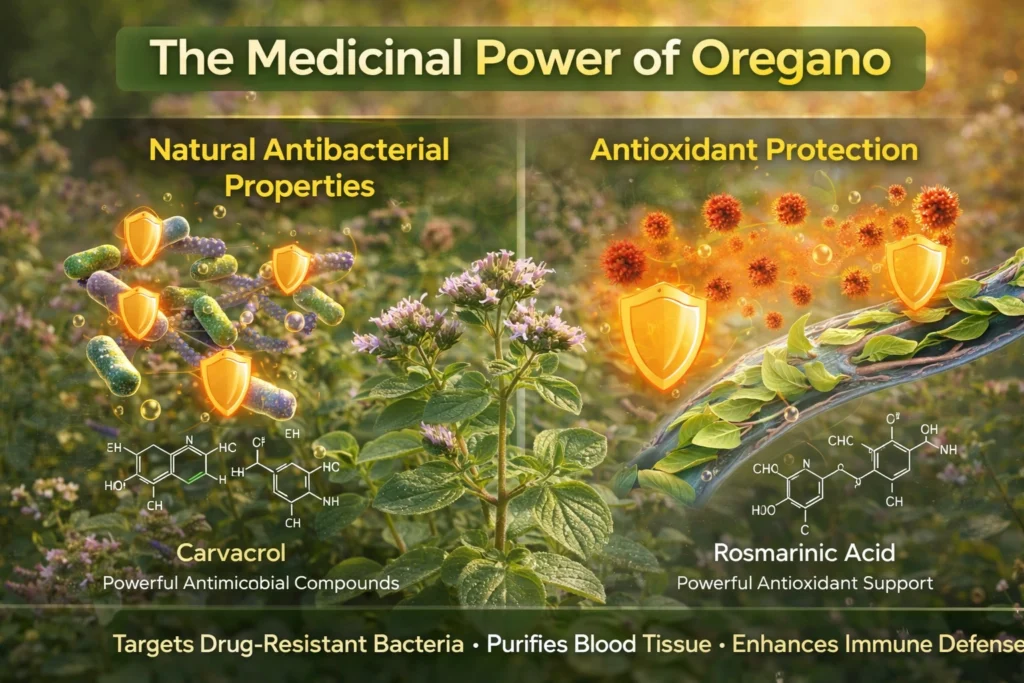
The biological magic of oregano happens through its two primary active compounds: carvacrol and thymol. Carvacrol is the most abundant and researched component, acting as the “shield-breaker” that can penetrate the protective cell membranes of harmful bacteria. When you introduce this natural antibacterial into your system, carvacrol targets the structural integrity of unwanted microbes, making it difficult for them to survive or replicate. This precision is why oregano is often studied for its ability to tackle even drug-resistant strains that have become a challenge for modern medicine.
Beyond its direct antimicrobial action, oregano provides a wealth of antioxidant support through rosmarinic acid. These antioxidants work like a cleanup crew, roaming through your bloodstream to neutralize free radicals that cause inflammation and cellular aging. In Ayurvedic terms, this helps to purify the “Rakta Dhatu” (blood tissue) and ensures that your immune system isn’t constantly distracted by internal stress. By reducing the overall toxic load, oregano allows your body’s natural defenses to focus entirely on keeping you vibrant and energetic, rather than just surviving day-to-day exposures.
Health Benefits of a Natural Antibacterial

Supports Respiratory Clarity and Health
When seasonal changes bring about congestion or a heavy chest, oregano acts as a natural expectorant to help you breathe easier. The heating nature of this natural antibacterial herb helps to liquefy mucus and soothe the lining of the lungs and throat. It provides a comforting warmth that helps the body expel irritants more efficiently while its antimicrobial compounds address the underlying cause of the discomfort.
Promotes a Balanced and Healthy Gut
Digestive issues like bloating and gas are often signs that your gut microbiome is out of balance. Using oregano as a natural antibacterial can help “weed” the garden of your gut by inhibiting the growth of unfriendly bacteria and yeast. This supportive action allows your beneficial probiotic flora to flourish, which in turn leads to better nutrient absorption and a much more comfortable, flatter stomach after meals.
Boosts Immune System Resilience
Your immune system is your body’s internal security team, and oregano acts as a high-level training program for your white blood cells. By providing a steady stream of antioxidants, this herb reduces the oxidative stress that can tire out your immune response. When you are exposed to environmental stressors, your body is better prepared to react quickly and effectively because it has the chemical support of this potent natural antibacterial in its corner.
Assists in Managing Fungal Overgrowth
One of the most remarkable features of oregano is its ability to tackle stubborn yeast, such as Candida albicans. Fungal overgrowth can lead to a host of systemic issues, including brain fog and sugar cravings. Because oregano acts as a powerful natural antibacterial and antifungal, it can disrupt the biofilm that fungi use to protect themselves, helping your body return to a state of internal harmony and clarity.
Protects Against Oxidative Stress
We live in a world full of environmental toxins that can cause “rusting” at a cellular level. Oregano contains some of the highest antioxidant levels of any culinary herb, providing a robust defense against DNA damage. Regularly incorporating this natural antibacterial into your life helps to shield your tissues from the effects of pollution and stress, which is essential for healthy aging and long-term vitality.
Enhances Skin Health and Clarity
When properly diluted and applied topically, oregano can be a game-changer for minor skin irritations or blemishes. Its ability to clear surface-level bacteria makes it an effective tool for maintaining a healthy skin barrier and a clear complexion. This natural antibacterial action works at a microscopic level to address the root causes of skin distress, rather than just covering up the external symptoms with synthetic creams.
Relieves Minor Joint and Muscle Discomfort
The anti-inflammatory properties of oregano make it a soothing ally for those who experience stiffness after exercise or as they age. By lowering systemic inflammation, this natural antibacterial herb helps to reduce the chemical triggers that cause pain sensations in the joints. Whether used internally or as part of a warm topical compress, it helps the body relax and recover more quickly from daily physical strain.
Supports Urinary Tract Wellness
Urinary discomfort can be incredibly disruptive to your quality of life, often requiring swift and targeted support. The antimicrobial compounds in oregano are processed through the kidneys and urinary tract, where they can help inhibit the growth of common pathogens. For many people, using this natural antibacterial at the first sign of discomfort helps maintain a clear and healthy urinary system.
Scientific Research and Evidence
The effectiveness of oregano is well-documented in modern clinical databases. A study titled “Essential Oils, Their Therapeutic Properties, and Implication in Dentistry” — K. S. Anandaswaroop et al., 2016, published in the Journal of Orofacial Sciences, emphasizes the potent antimicrobial activity of carvacrol against common oral pathogens. Another critical piece of research, “Antioxidant, Antibacterial, and Cytotoxic Activities of Origanum vulgare L. Essential Oil” — Taleb et al., 2018, published by the National Center for Biotechnology Information (NCBI), confirmed its broad-spectrum activity against various bacterial strains (link to be manually verified). pmc.ncbi
Additionally, the research “Caryophyllene Oxide, the Active Component of Oregano, and its Role in Healing” — S. F. Nabavi et al., 2015, in the journal Current Pharmaceutical Design, explored how these compounds contribute to lowering inflammation. Scientists also studied its effect on the gut in “The Effect of Oregano Oil on Porcine Intestinal Microbiota” — Z. Zheng et al., 2017, published in Frontiers in Microbiology, suggesting that this natural antibacterial helps modulate the microbiome for better health. These peer-reviewed findings collectively support the traditional use of oregano as a significant therapeutic tool.pmc.ncbi
Where to Find This Natural Antibacterial
You can easily find high-quality oregano in various forms at your local Ayurvedic pharmacy, organic health food store, or through reputable online retailers like Amazon and iHerb. When searching for the most potent form, always look for “Wild Mediterranean Oregano” and ensure the label specifies Origanum vulgare. It is crucial to choose products that are non-GMO and, if you are purchasing oil, look for a “CO2 extraction” or “steam-distilled” certification to ensure purity.
To get the most out of your natural antibacterial purchase, check the carvacrol content on the supplement facts label; a therapeutic-grade oil should ideally contain between 60% and 80% carvacrol. For the dried herb, look for vibrant green leaves rather than dull gray ones, as color is a primary indicator of the volatile oil content. Buying from brands that provide third-party lab testing ensures you are receiving a product free from heavy metals or synthetic fillers.
How to Consume This Natural Antibacterial

Soothing Herbal Tea or Infusion
Brewing a warm cup of oregano tea is the most traditional and gentle way to experience its benefits, especially for digestive support. Simply steep one teaspoon of dried organic leaves in hot water for about eight minutes, then strain and sip slowly. This natural antibacterial tea is particularly effective when you feel a chill in your body or notice the first signs of seasonal congestion.
Standardized Oregano Oil Capsules
If you prefer a more potent dose without the intense, spicy taste of the oil, capsules are an excellent and convenient option. These are typically standardized to provide a consistent amount of carvacrol, making it easy to track your intake. Using a natural antibacterial in capsule form is often the preferred choice for those addressing systemic issues like gut health or long-term immune support.
Diluted Liquid Oregano Oil
Liquid oil is incredibly fast-acting but must be used with extreme care because it is a “hot” oil that can sting the mouth. You should always dilute two to three drops in a carrier oil like olive oil, or drop it into a small glass of water or juice. This method allows the natural antibacterial compounds to be absorbed quickly into the bloodstream for immediate immune assistance.
Culinary Use of Fresh or Dried Leaves
Adding generous amounts of oregano to your cooking is a delicious way to enjoy its health-protective properties every day. While less concentrated than the oil, the whole herb provides fiber and a complex array of phytonutrients that support overall vitality. Consistently using this natural antibacterial in your meals helps maintain a strong digestive fire and keeps your internal environment less hospitable to unwanted microbes.
Therapeutic Topical Application
For skin-related concerns, you can create a topical blend by mixing a few drops of oregano oil with a soothing carrier like jojoba or coconut oil. This allows you to apply the natural antibacterial benefits directly to a specific area of the skin or even the soles of the feet. This method is a gentle way to introduce the herb’s properties into your system without the intensity of oral ingestion.
Recommended Dosage
Because oregano is so powerful, a little bit goes a long way. The following ranges are general guidelines, and it is always wise to consult with a practitioner to find the right balance for your specific “Prakriti” or constitution.
- Oregano Tea: 1 to 2 cups per day using 1 teaspoon of dried herb.
- Oil Capsules: 100mg to 150mg, taken once or twice daily with food.
- Liquid Essential Oil: 1 to 3 drops, heavily diluted in liquid or oil, up to twice daily.
- Duration of Use: As a potent natural antibacterial, it is best used for short-term “bursts” of 10 to 14 days, followed by a break to maintain gut health.
Safety and Side Effects
While oregano is a remarkable gift from nature, its heating energy means it must be used with respect. In Ayurveda, individuals with high “Pitta” or those prone to internal heat and acidity should use oregano cautiously, as it can occasionally cause heartburn or stomach upset. Because it is a natural antibacterial of such strength, taking it on an empty stomach is not recommended, as it can be irritating to the gastric lining.
Pregnant and breastfeeding women should avoid therapeutic doses of oregano oil, as it may affect hormone balance or act as a uterine stimulant. Additionally, oregano has mild blood-thinning properties, so you should stop using it at least two weeks before any planned surgery. If you are taking medications for blood pressure or diabetes, monitor your levels closely, as this natural antibacterial herb can sometimes enhance the effects of those drugs.
FAQ
Is it safe to use oregano oil as a natural antibacterial every day?
While you can certainly use culinary oregano every day in your food, the concentrated oil is generally intended for short-term support. Using it for extended periods without a break can eventually impact the balance of your beneficial gut bacteria. It is much more effective to use it when your immune system needs an extra boost or when addressing a specific health goal.
Can children use oregano oil for infections?
Due to its extreme potency and “hot” nature, oregano oil is generally not recommended for infants or very young children. For older children, it must be used in very high dilutions and only under the supervision of a qualified healthcare provider. A gentle oregano tea is often a much safer way for children to benefit from this natural antibacterial herb.
How does oregano oil compare to synthetic antibiotics?
While synthetic antibiotics are designed to kill a wide range of bacteria quickly, a natural antibacterial like oregano works by supporting the body’s environment and disrupting pathogens through multiple chemical pathways. Oregano is often used by those looking for a holistic approach, but it should not be considered a direct replacement for medical treatment in life-threatening situations.
Does oregano oil help with seasonal allergies?
Many people find that the rosmarinic acid in oregano helps to reduce the inflammatory response associated with allergies. Because it acts as a natural antibacterial and anti-inflammatory, it can help clear mucus and soothe the respiratory tract, making it a popular choice for those looking for natural ways to manage hay fever symptoms.
Can I use oregano oil topically for fungal nails?
Yes, oregano is frequently used as a natural antibacterial and antifungal for nail health. However, you must be consistent and patient, as nails grow slowly. Always dilute the oil in a carrier oil like tea tree or almond oil before applying it to the affected area to avoid irritating the surrounding skin.
Conclusion
As we have explored, the journey toward better health doesn’t always have to involve complex synthetic solutions. Sometimes, the most profound healing comes from the simplest sources, like a natural antibacterial herb that has survived and thrived for millennia. Oregano is a bridge between the ancient wisdom of Ayurveda and the rigorous scrutiny of modern science, offering you a powerful way to support your body’s natural resilience. By understanding its “hot” nature and respecting its potency, you can use this herb to bring your system back into a state of vibrant balance.
Disclaimer
The information provided in this article is for educational and informational purposes only. It is not intended to be a substitute for professional medical advice, diagnosis, or treatment. Always consult a qualified healthcare provider or licensed Ayurvedic practitioner before starting any herbal supplement, especially if you are pregnant, nursing, taking medications, or have an existing health condition.
Recent Post: Weight Loss: 7 Proven Ways Chia Seeds Can Transform Your Journey


1 thought on “7 Incredible Ways Oregano Acts as a Natural Antibacterial for Whole-Body Healing”