

Introduction
Aloe vera is one of the most widely used medicinal plants in traditional healing systems around the world. Known for its soothing gel and remarkable healing properties, this succulent plant has been valued in Ayurveda, traditional medicine, and modern skincare for centuries.
In Ayurvedic medicine, aloe vera is known as Kumari, meaning “young girl,” reflecting its association with rejuvenation, vitality, and skin health. The plant has traditionally been used to support skin healing, digestion, immunity, and overall wellness.
In this article, we will explore the Ayurvedic perspective, modern scientific research, and practical uses of aloe vera for skin and wellness. You will learn how aloe works in the body, its key health benefits, safe dosage, and evidence-based insights that support its traditional reputation.
What Is Aloe Vera?
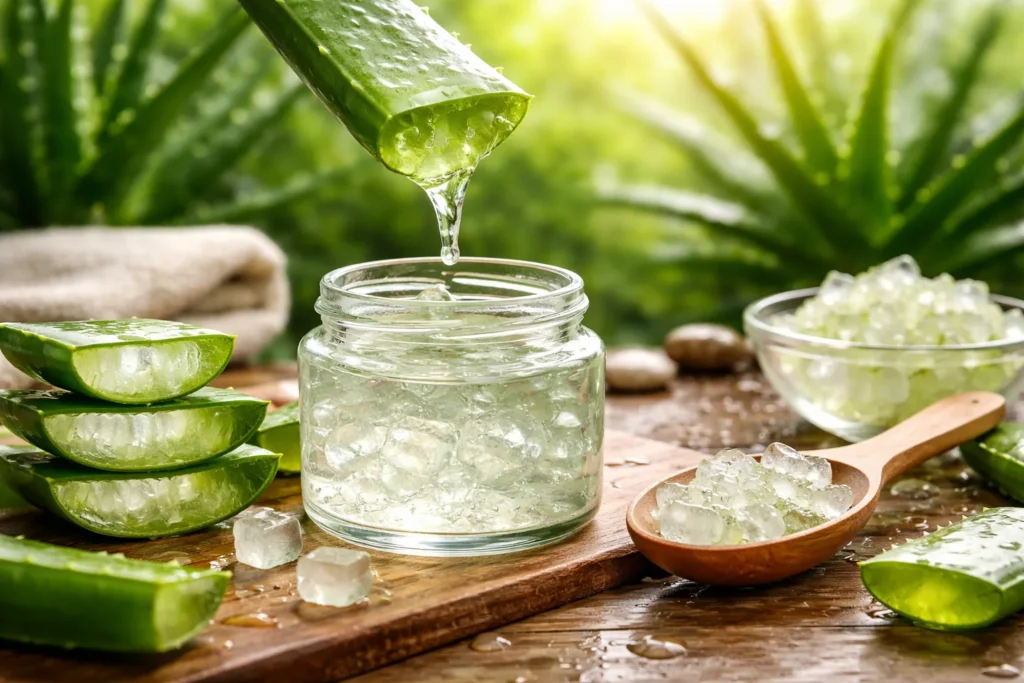
Aloe vera is a succulent plant scientifically known as Aloe barbadensis Miller. It belongs to the Asphodelaceae family and grows in warm climates around the world, including parts of India, Africa, and the Mediterranean region.
The plant has thick, fleshy leaves that contain a clear gel rich in bioactive compounds. This gel is widely used in skincare products, herbal medicine, and nutritional supplements.
Historically, aloe vera has been used in many traditional healing systems. Ancient Egyptian texts referred to it as the “plant of immortality.” In Ayurveda, aloe is categorized as a cooling and rejuvenating herb that helps balance Pitta and Vata doshas, while supporting skin health, digestion, and detoxification.
Because of its rich nutritional profile and soothing properties, aloe vera continues to be widely used in both traditional herbal remedies and modern wellness practices.
How This Herb Works in the Body
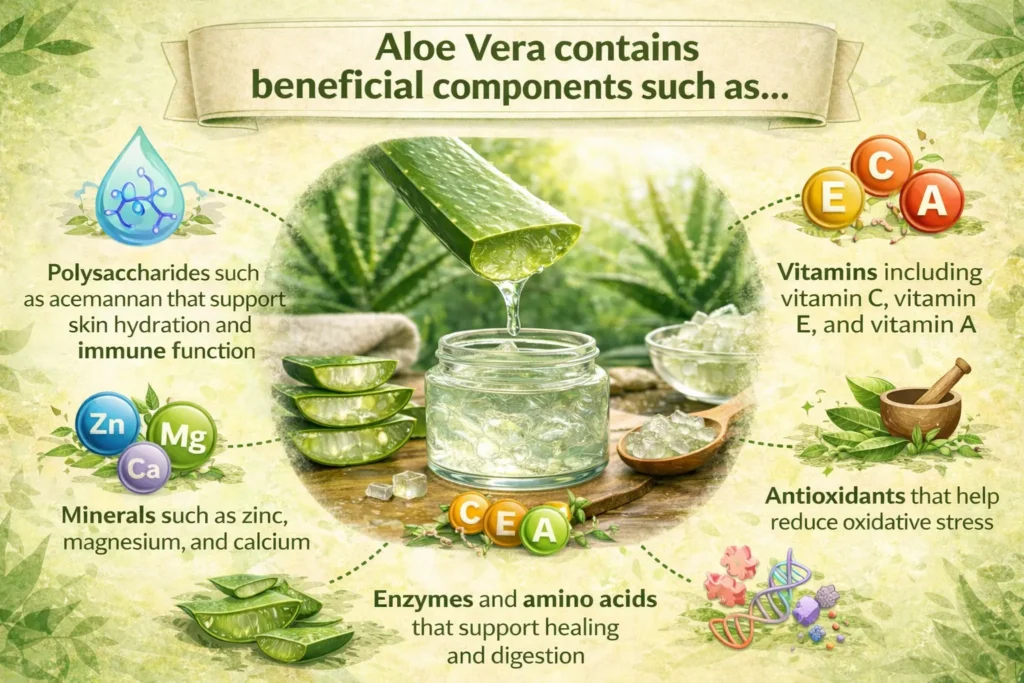
Aloe vera contains a wide range of biologically active compounds that contribute to its therapeutic effects.
Some of the most important components include:
• Polysaccharides such as acemannan that support skin hydration and immune function
• Vitamins including vitamin C, vitamin E, and vitamin A
• Minerals such as zinc, magnesium, and calcium
• Antioxidants that help reduce oxidative stress
• Enzymes and amino acids that support healing and digestion
From an Ayurvedic perspective, aloe vera works as a rasayana herb, meaning it promotes rejuvenation and tissue nourishment. Its cooling nature helps calm inflammatory conditions, particularly those related to excess Pitta dosha, which is often associated with skin irritation, redness, and inflammation.
Modern research suggests that aloe may help support skin regeneration, wound healing, digestive health, and immune balance through its anti-inflammatory and antioxidant actions.
Health Benefits of Aloe Vera for Skin and Wellness
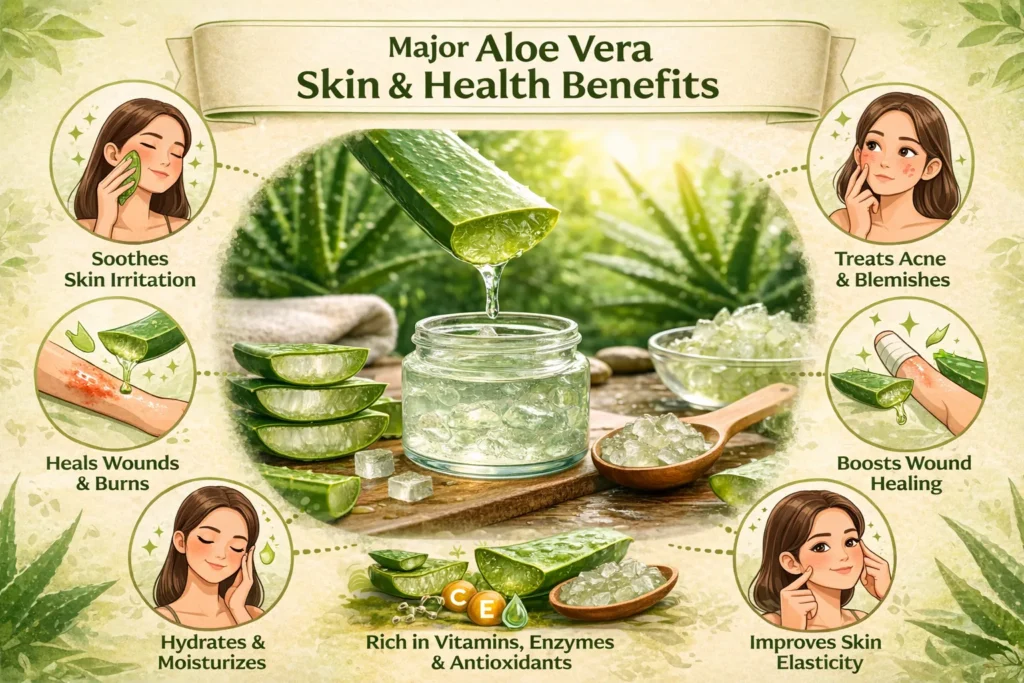
Supports Skin Hydration and Moisture Balance
Aloe vera gel is widely known for its ability to hydrate the skin without leaving a greasy residue. The plant contains natural polysaccharides that help retain moisture and improve skin elasticity.
May Promote Skin Healing
Traditionally, aloe vera has been used to support healing of minor cuts, burns, and skin irritation. Its soothing properties may help calm inflamed skin and support the natural repair process.
May Help Soothe Sunburn
Aloe vera gel is commonly used as a natural remedy for sunburn. The cooling gel may help reduce redness and provide temporary relief from heat-related skin discomfort.
Supports Digestive Health
In Ayurveda, aloe vera juice has traditionally been used to support digestive balance. It may help soothe the digestive tract and support normal bowel function.
Provides Antioxidant Protection
Aloe contains antioxidant compounds such as polyphenols and vitamins that may help neutralize free radicals in the body. This may contribute to overall wellness and skin health.
May Support Immune Function
Certain compounds in aloe vera, particularly acemannan, are believed to help support immune system activity.
May Help Maintain Healthy Skin Appearance
Regular topical use of aloe vera may help support smoother and healthier-looking skin due to its moisturizing and soothing effects.
May Support Minor Skin Conditions
Some people use aloe vera to help calm skin irritation related to dryness, mild inflammation, or environmental stress.
Scientific Research and Evidence
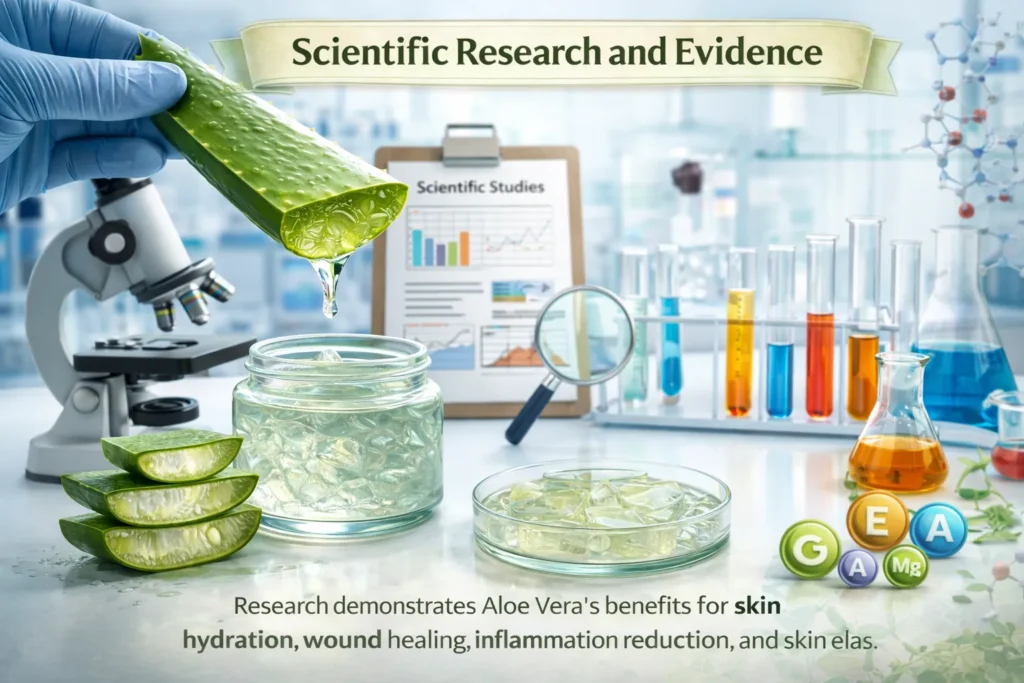
Several scientific studies have explored the potential benefits of aloe vera.
A review published in the Journal of Traditional and Complementary Medicine reported that aloe vera contains compounds that may support wound healing and skin repair. NCBI
Research from the National Institutes of Health notes that aloe vera gel contains polysaccharides that may help support skin hydration and healing processes. NIH
A study examining aloe’s dermatological uses found that aloe extracts may help reduce inflammation and support skin regeneration. PubMed
Another review highlighted the antioxidant and anti-inflammatory properties of aloe vera compounds that may contribute to its traditional medicinal uses. WHO Monograph
These findings suggest that aloe vera’s traditional reputation in herbal medicine is supported by growing scientific interest.
Where to Find Aloe Vera
Aloe vera is widely available and can be found in several forms.
Fresh aloe plants can often be purchased from local plant nurseries or herbal stores. Many people grow aloe at home because it is easy to maintain and provides fresh gel directly from the leaves.
You can also find aloe vera products in Ayurvedic shops, organic health markets, pharmacies, and wellness stores.
Online marketplaces such as Amazon and iHerb offer aloe vera in multiple forms including gel, juice, capsules, and skincare products.
When purchasing aloe products, look for:
• Organic certification if possible
• Minimal additives or artificial ingredients
• Products labeled 100% pure aloe vera gel or juice
How to Consume Aloe Vera
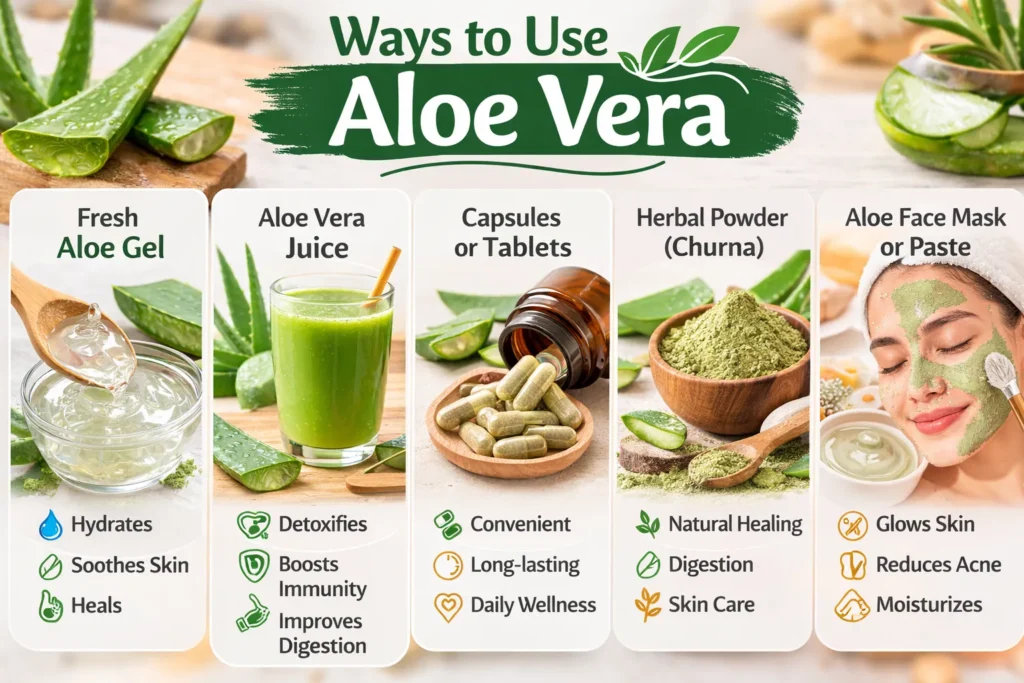
Fresh Aloe Gel
The gel inside fresh aloe leaves can be applied directly to the skin for soothing and moisturizing benefits.
Aloe Vera Juice
Aloe juice is commonly consumed as a wellness drink to support digestion and hydration.
Capsules or Tablets
Aloe supplements are available in capsule form for those who prefer a convenient option.
Herbal Powder (Churna)
Some herbal preparations include dried aloe powder that can be mixed with water or herbal formulations.
Aloe Face Mask or Paste
Fresh gel can be combined with ingredients such as turmeric or honey to create a traditional Ayurvedic skin mask.
Recommended Dosage
General dosage guidelines vary depending on the form used.
Aloe vera juice is typically consumed in amounts of 15–30 ml per day, diluted with water. Capsules or supplements usually follow the manufacturer’s recommended dosage.
For topical use, fresh aloe gel can be applied to the skin one to two times daily.
Because potency may vary between products, it is best to start with small amounts and consult a qualified healthcare professional if needed.
Safety and Side Effects
Aloe vera is generally considered safe when used appropriately, but some precautions should be noted.
Excessive consumption of aloe latex (the yellow layer beneath the leaf skin) may cause digestive discomfort or diarrhea.
People who should consult a healthcare professional before using aloe include:
• Pregnant or breastfeeding women
• Individuals taking certain medications
• People with digestive conditions or allergies to plants in the lily family
Topical aloe may occasionally cause mild skin irritation in sensitive individuals, so patch testing is recommended.
FAQ
Is aloe vera good for glowing skin?
Aloe vera may help improve skin hydration and soothe irritation, which can contribute to a healthier and more radiant appearance.
Can aloe vera be used daily on the skin?
Yes, many people apply aloe gel daily as a natural moisturizer or soothing skin treatment.
Is drinking aloe vera juice safe?
Aloe juice may be safe when consumed in moderate amounts, but products should be purified and free from aloe latex.
Can aloe vera help with sunburn?
Aloe gel is commonly used to soothe sunburn due to its cooling and moisturizing properties.
How long does it take to see benefits from aloe vera?
Results vary depending on the use. Skin hydration benefits may appear quickly, while other wellness benefits may take longer.
Conclusion
Aloe vera has earned its reputation as one of the most versatile medicinal plants in both traditional and modern wellness practices. In Ayurveda, it has long been valued for its cooling and rejuvenating properties, particularly for supporting healthy skin and digestion.
Modern research continues to explore aloe vera’s bioactive compounds and their potential role in skin hydration, wound healing, antioxidant protection, and digestive support.
When used responsibly, aloe vera can be a valuable addition to a natural wellness routine. However, as with any herbal remedy, it is important to consult a qualified healthcare professional before starting regular use, especially for internal consumption.
Disclaimer:
The information provided in this article is for educational and informational purposes only. It is not intended to be a substitute for professional medical advice, diagnosis, or treatment. Always consult a qualified healthcare provider or licensed Ayurvedic practitioner before starting any herbal supplement, especially if you are pregnant, nursing, taking medications, or have an existing health condition.
Related post .Tulsi Immune Support: Amazing Herb for Science-Backed Wellness



1 thought on “Aloe Vera for Skin and Wellness: Ayurvedic Wisdom and Science-Backed Benefits for Natural Health”