


Dealing with the relentless burn and embarrassment of a skin condition can feel like an uphill battle, especially when over-the-counter creams fail to provide lasting relief. If you have ever spent a night tossing and turning because of a persistent itch that just won’t quit, you are certainly not alone in your search for a more permanent solution. One of the most powerful ancient secrets for these struggles is using neem for fungal infections, a remedy that has been a cornerstone of traditional healing for thousands of years.
Originating from the Indian subcontinent, the Neem tree, or Azadirachta indica, is often referred to in Sanskrit as Arista, which translates to perfect, complete, and imperishable. For centuries, Ayurvedic practitioners have turned to this bitter-leaved wonder to purify the blood and soothe the most stubborn skin ailments. In this guide, we are going to explore exactly how this botanical powerhouse works, the science that validates its use, and how you can safely incorporate it into your daily routine to finally achieve the clear, calm skin you deserve.
What Is Neem?
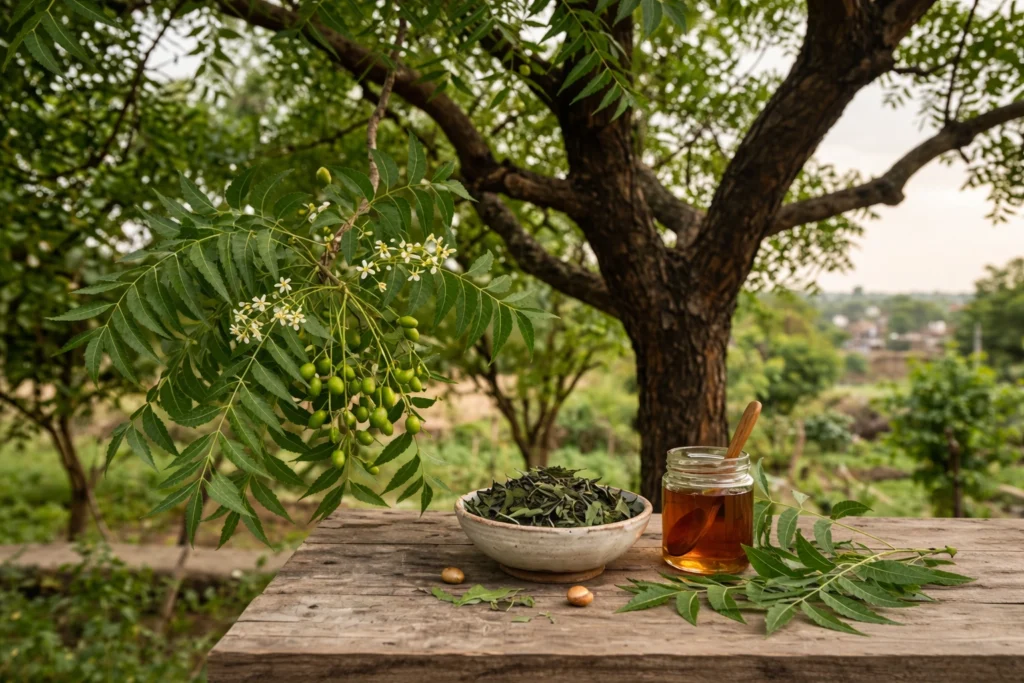
Neem is a hardy evergreen tree that belongs to the mahogany family and is native to the tropical and subtropical regions of India and Southeast Asia. It is a striking plant with wide-spreading branches and small, white, honey-scented flowers that eventually produce olive-like drupe fruits. While almost every part of the tree holds medicinal value, the leaves and the oil pressed from its seeds are most frequently used in skin care and wellness applications.
In the world of Ayurveda, Neem is considered one of the most cooling and purifying herbs available. It is classified as having a bitter and pungent taste with a cooling energy, making it the ultimate tool for balancing excess heat or inflammation in the body, known as Pitta, and clearing out dampness, known as Kapha. This historical significance is why you will find Neem at the heart of traditional village medicine, where it has earned the nickname of the village pharmacy due to its versatility in treating everything from fevers to chronic skin disorders.
How Neem Works in the Body

The magic of Neem lies in its complex chemical makeup, featuring over 140 active compounds that work together to protect your health. The most notable of these are limonoids like azadirachtin and nimbin, which give the plant its potent antimicrobial and anti-inflammatory properties. When you apply Neem topically or consume it as a supplement, these compounds act as a shield, disrupting the cell membranes of harmful pathogens and preventing them from spreading across your skin surface.
From a physiological perspective, Neem acts as a natural detoxifier by supporting liver function and purifying the blood. This internal cleansing process is vital because many persistent skin issues are actually external manifestations of internal imbalances. By reducing systemic inflammation and inhibiting the growth of dermatophytes, which are the fungi responsible for conditions like athlete’s foot and ringworm, Neem helps the body return to its natural state of equilibrium and resilience.
Health Benefits of Neem
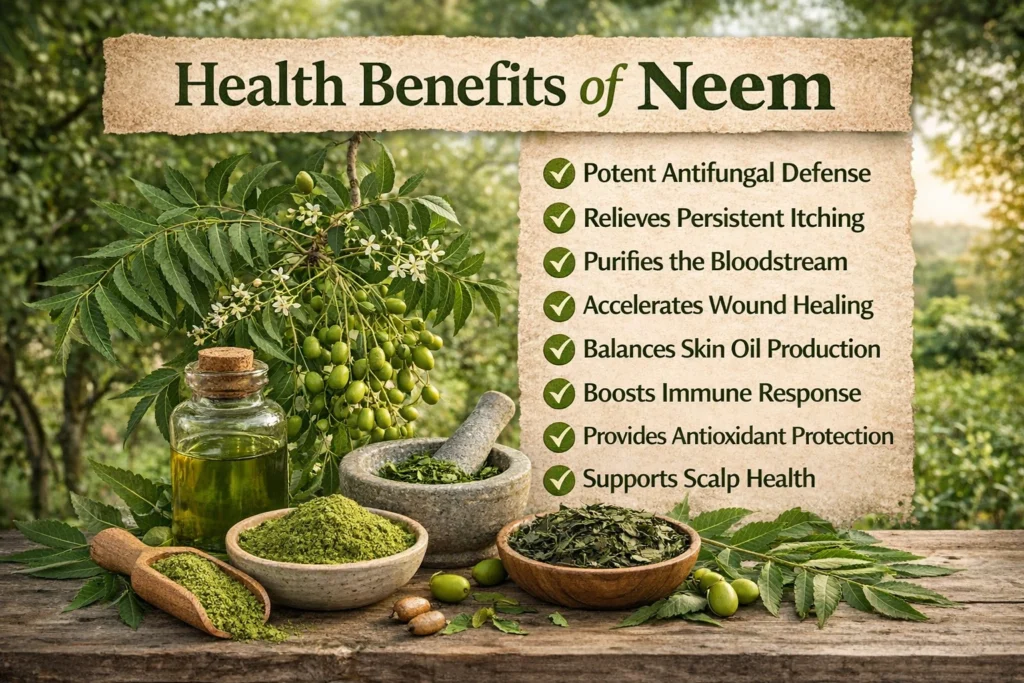
Potent Antifungal Defense
One of the primary reasons people turn to this herb is its ability to combat various fungal strains that cause discomfort. Research has shown that the bioactive components in the leaves can inhibit the growth of common fungi like Candida and Trichophyton. By applying neem for fungal infections, you are using a natural deterrent that breaks down the fungal cell walls without the harsh side effects of synthetic chemicals.
Relieves Persistent Itching
The cooling nature of this plant provides almost immediate relief for the intense, maddening itch that often accompanies skin irritation. Its anti-inflammatory compounds soothe the nerve endings in the skin, reducing the urge to scratch and preventing further damage. This makes it an excellent choice for anyone dealing with the lingering discomfort of hives or allergic reactions.
Purifies the Bloodstream
In Ayurvedic medicine, clear skin is believed to begin with clean blood, and Neem is considered the premier blood-purifying herb. It helps the body filter out metabolic waste and environmental toxins that might otherwise manifest as breakouts or rashes. Regular use supports the liver and kidneys in their natural detoxification processes, leading to a more radiant complexion from the inside out.
Accelerates Wound Healing
If your skin has been damaged by scratching or infection, this herb can help speed up the regeneration of healthy tissue. It promotes collagen production and increases the strength of the skin as it heals, which reduces the likelihood of scarring. This regenerative property ensures that your skin doesn’t just clear up but actually recovers its original texture and resilience.
Balances Skin Oil Production
For those who struggle with oily skin or acne, this botanical acts as a natural astringent that tightens pores and regulates sebum. Unlike harsh soaps that strip the skin of its natural moisture, it maintains a healthy pH balance while removing excess oil. This creates an environment where bacteria and fungi find it much harder to survive and thrive.
Boosts Immune Response
Beyond just treating the surface, this plant supports your body’s overall ability to fight off invaders by enhancing cellular immunity. It stimulates the production of white blood cells, which are your body’s first line of defense against infections. By strengthening your internal defenses, you become less susceptible to recurring fungal issues or seasonal illnesses.
Provides Antioxidant Protection
The high concentration of flavonoids and polyphenols in the leaves helps neutralize free radicals caused by pollution and UV exposure. This protection prevents premature aging and keeps the skin cells healthy and vibrant. It is essentially like giving your skin an invisible suit of armor against the daily stresses of the modern environment.
Supports Scalp Health
Fungal issues often migrate to the scalp, leading to stubborn dandruff and hair thinning. Using this herb in your hair care routine can eliminate the microbes that cause flaking while nourishing the hair follicles. This leads to a healthier scalp environment, which is the foundation for strong, shiny, and voluminous hair.
Scientific Research and Evidence
The efficacy of this plant is well-documented in modern clinical settings, proving that ancient wisdom holds up under the microscope. A study titled Antifungal Activity of Azadirachta indica Extracts under In Vitro Conditions found that aqueous and ethanolic extracts of the leaves significantly inhibited the growth of several pathogenic fungi—Natarajan, D., et al., 2003. Indian Journal of Pharmaceutical Sciences. https://pmc.ncbi.nlm.nih.gov/articles/PMC3768785/
Furthermore, research into its systemic benefits has shown promising results for overall skin health. A comprehensive review titled Neem (Azadirachta indica): Prehistory to Contemporary Medicinal Uses to Humankind highlighted how the plant’s various parts possess anti-inflammatory and immunostimulant activities that are crucial for treating chronic dermatitis—Biswas, K., et al., 2002. Current Science. https://pmc.ncbi.nlm.nih.gov/articles/PMC3695574/https://pmc.ncbi.nlm.nih.gov/articles/PMC3695574/
Additionally, clinical observations have noted its impact on specific fungal strains like Candida albicans. A study titled In vitro Antifungal Activity of Neem Leaf Extracts against Aspergillus flavus and Candida albicans demonstrated that the medicinal properties of the leaves effectively restricted the spread of these common infections—Mahmoud, D.A., et al., 2011. Brazilian Journal of Microbiology. https://www.ncbi.nlm.nih.gov/pmc/articles/PMC3768460/
Where to Find Neem
Finding high-quality sources of this herb is relatively easy because of its growing popularity in the global wellness market. You can typically find dried leaves, powders, and oils at local Ayurvedic specialty stores or well-stocked herbal shops. Most organic health food markets will also carry standardized capsules or topical salves containing the extract.
If you prefer shopping online, platforms like Amazon, iHerb, or specialized botanical websites offer a wide variety of options. When purchasing, look for products that are certified organic and non-GMO to ensure you are getting a pure product. For topical use, ensure the oil is cold-pressed, as heat can destroy the delicate active compounds that make neem for fungal infections so effective.
How to Consume Neem
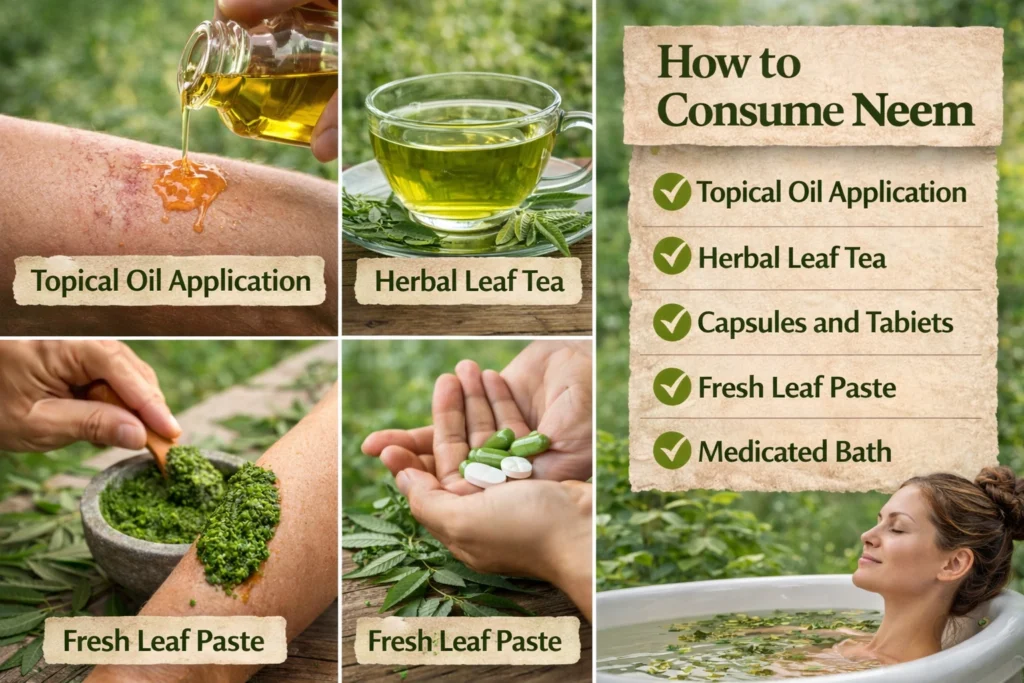
Topical Oil Application
Applying a diluted version of the seed oil directly to the skin is one of the most direct ways to address localized issues. Because the oil is very potent and has a strong, nutty scent, it is usually best to mix a few drops with a carrier oil like coconut or jojoba. This method allows the active ingredients to penetrate deep into the skin layers where the fungus resides.
Herbal Leaf Tea
Drinking an infusion made from dried leaves is a traditional way to purify the body from the inside. To prepare this, you simply steep a few leaves in hot water for several minutes, though you should be prepared for a very bitter taste. Many people choose to add a bit of honey or lemon to make the tea more palatable while still reaping the detoxifying benefits.
Capsules and Tablets
For those who want to avoid the bitter flavor entirely, standardized capsules provide a convenient and precise way to include this herb in your daily supplement routine. These are ideal for long-term support of blood purification and immune health. Most tablets contain a concentrated powder or extract that ensures you get a consistent dose of active limonoids.
Fresh Leaf Paste
In traditional settings, fresh leaves are often ground into a thick paste with a little bit of water and applied as a mask to the affected area. This is particularly cooling for inflamed, itchy skin and provides a high concentration of fresh enzymes and chlorophyll. You can leave the paste on for about twenty minutes before rinsing it off with lukewarm water.
Medicated Bath
Adding a strong decoction of the leaves to your bathwater is an excellent way to treat fungal issues that cover larger areas of the body. This allows the healing properties to come into contact with all parts of the skin simultaneously, providing full-body relief. It is a relaxing way to soothe systemic itching and promote overall skin hygiene.
Recommended Dosage
For internal use of capsules or tablets, a common dosage is 300 to 500 milligrams taken once or twice daily, depending on the concentration. If you are using the oil topically, a 2 to 3 percent dilution in a carrier oil is generally recommended for sensitive skin. When drinking tea, one small cup made from 3 to 5 dried leaves per day is usually sufficient for general detoxification.
Safety and Side Effects
While this herb is incredibly beneficial, it is also very powerful and should be used with respect. Some individuals may experience mild digestive upset or a drop in blood sugar if taken in high doses internally. It is also important to perform a patch test when using the oil for the first time, as its potency can occasionally cause redness or irritation in people with hypersensitive skin.
Certain groups should exercise extra caution or avoid internal use altogether. Pregnant women or those trying to conceive should stay away from this herb, as it has traditionally been used as a natural contraceptive and may affect hormone levels. It is also not recommended for young children or individuals with autoimmune diseases unless under the direct supervision of a healthcare professional. If you are taking medications for diabetes or blood pressure, be sure to monitor your levels closely, as the herb can enhance the effects of those drugs.
FAQ
Is it safe to apply neem oil directly to an open wound?
It is generally better to apply the oil to the skin surrounding an open wound or wait until the wound has closed slightly. While it has antiseptic properties, the undiluted oil can be quite irritating to raw tissue. Using a diluted version or a gentle leaf wash is usually a more comfortable approach for broken skin.
How long does it take to see results for fungal issues?
Consistency is key when using natural remedies for skin conditions. While the itching often subsides within a few days of regular application, it may take two to four weeks of daily use to completely clear a fungal infection. You should continue treatment for a few days after the symptoms disappear to ensure the fungus does not return.
Can I use this herb if I have very dry skin?
Because this plant has astringent and cooling properties, it can be somewhat drying if used in excess. If you already have dry skin, it is best to use the oil form mixed with a highly moisturizing carrier oil like sweet almond or shea butter. This ensures you get the antimicrobial benefits without stripping away your skin’s essential moisture.
Does the smell of the oil stay on the skin?
The seed oil has a very distinct, earthy aroma that some find quite strong. However, when diluted properly with a carrier oil or mixed into a lotion, the scent fades significantly once it is absorbed. You can also add a few drops of an essential oil like lavender or tea tree to help mask the natural scent.
Can I take this supplement every day indefinitely?
In Ayurveda, this herb is typically used for specific periods of time rather than as a permanent daily supplement. It is often recommended to take it for four to six weeks during a detox cycle and then take a break. For long-term skin maintenance, lower doses or occasional topical use are usually preferred over continuous internal consumption.
Conclusion
As we have seen, the combination of Ayurvedic tradition and modern scientific research makes a compelling case for this botanical as a staple in any natural medicine cabinet. It reminds us that nature often provides the most sophisticated solutions to our most persistent problems. Before you begin any new herbal regimen, remember to listen to your body and move forward with patience and care.
While the journey to clear skin can sometimes feel long, incorporating these natural strategies can make a world of difference. I encourage you to stay consistent with your applications and maintain a healthy lifestyle to support your body’s healing process. If you have any concerns or underlying health conditions, always be sure to consult with a healthcare provider or a licensed practitioner to ensure this powerful herb is the right fit for your unique needs.
Recent Post: 7 Remarkable Benefits of Terminalia Arjuna for Every Heart Problem



One thought on “Proven Neem for Fungal Infections That Will Restore Your Skin”