
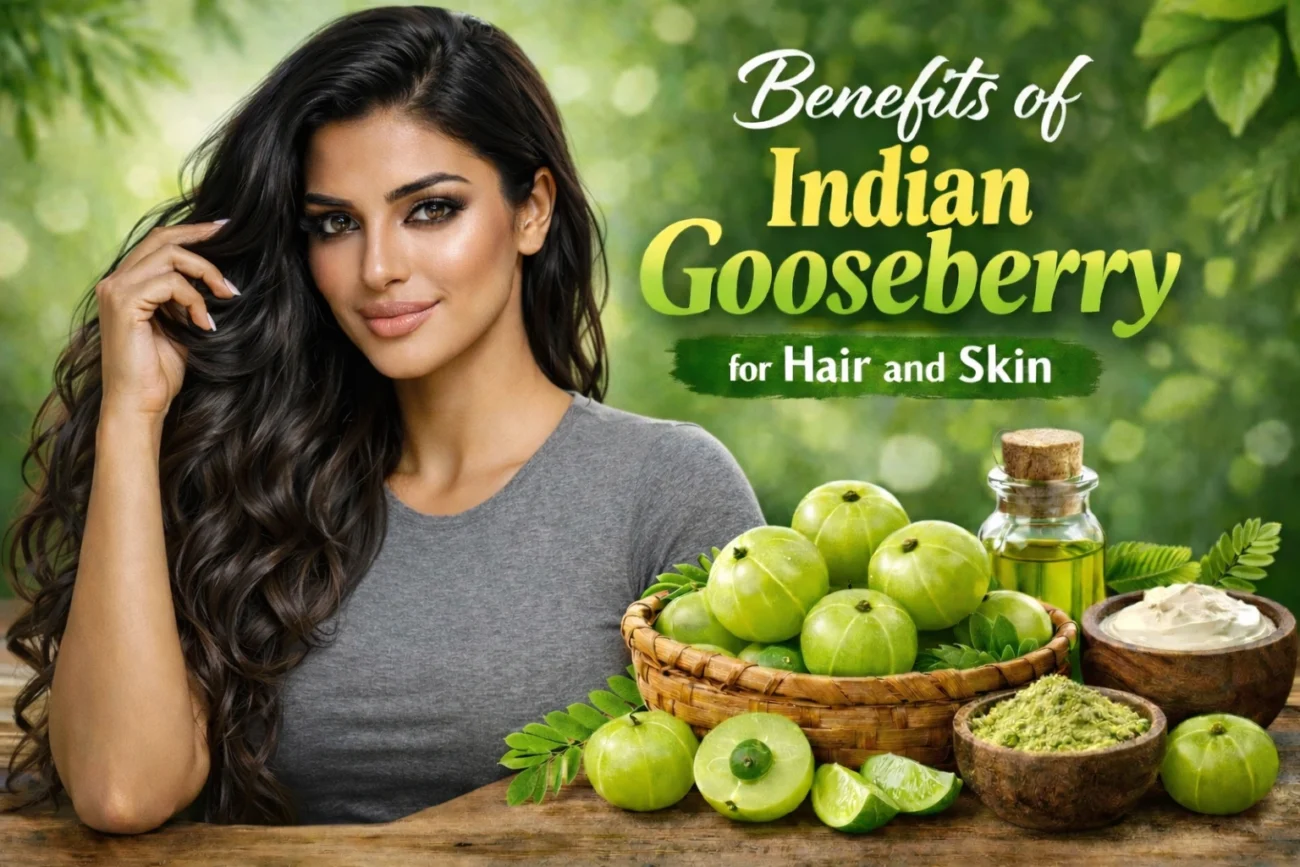
Imagine looking in the mirror and noticing that your hair seems a little thinner at the part than it did last year, or perhaps those fine lines around your eyes are becoming more permanent guests on your face. It is a vulnerable feeling that many of us face as the years pass, leading us to wonder if there is a way to age with more vitality and grace without relying solely on harsh chemicals. This is where the ancient wisdom of Indian Gooseberry for hair and skin comes into play, offering a time-tested sanctuary for those seeking to rejuvenate their physical appearance from the inside out. Known as a premier revitalizer in traditional wellness circles, this small green fruit packs a nutritional punch that modern American science is only recently beginning to fully decode and validate.
Native to the tropical forests of Southeast Asia, this powerhouse fruit is technically known as Phyllanthus emblica. In the world of Ayurveda, it is celebrated as a rasayana, which is a special category of herbs dedicated to longevity, immune support, and cellular repair. It is unique because it is thought to balance the internal energies of the body, making it a versatile ally for almost any constitution or skin type. As we explore this guide, you will discover how this humble berry bridges the gap between thousand-year-old rituals and contemporary clinical research to help you look and feel your absolute best.
What Is Indian Gooseberry?
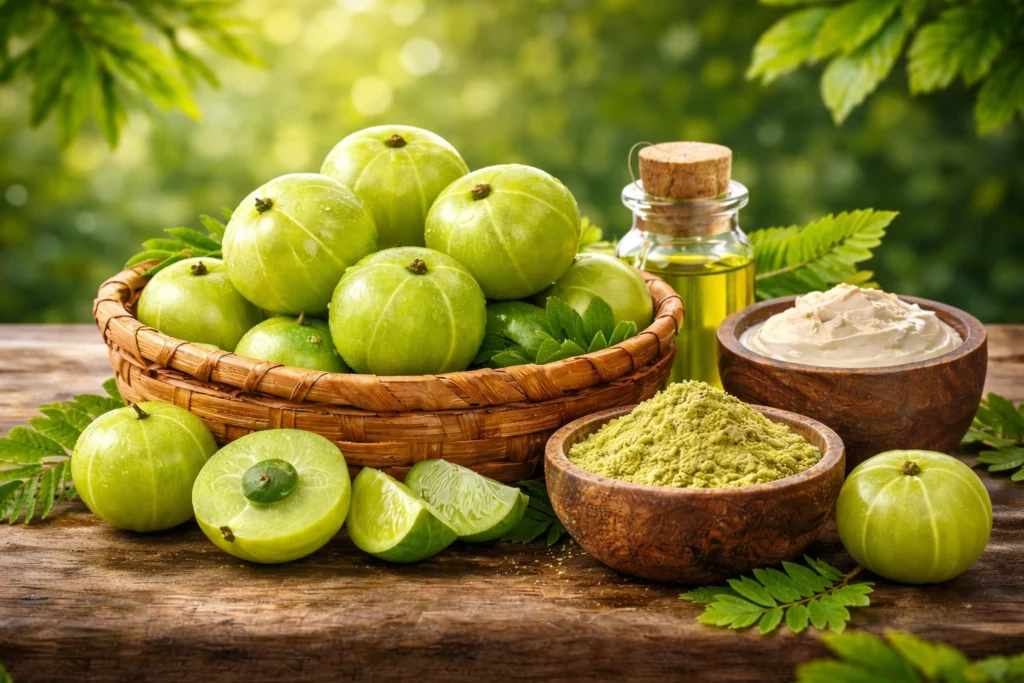
Botanically classified as Phyllanthus emblica, this plant grows on a small to medium-sized deciduous tree characterized by its feathery leaves and light greenish-yellow flowers. The fruit itself is a hard, spherical berry with a sour, bitter, and astringent taste that hints at its incredibly high concentration of bio-active compounds. Historically, it has been a cornerstone of herbal medicine for over three millennia, appearing in ancient texts as the premier fruit for promoting health and preventing the natural decay of bodily tissues over time.
In the traditional perspective, this herb is considered the ultimate fruit for cooling internal heat, which is often responsible for inflammation, premature greying, and skin rashes. It is chemically distinct from other citrus fruits because its high Vitamin C content is bonded with unique tannins, which prevents the vitamin from breaking down even when the fruit is dried or processed. This stability makes Indian Gooseberry for hair and skin an exceptionally reliable source of antioxidants for those looking to maintain a youthful complexion and thick, lustrous locks in a modern, high-stress environment.
How Indian Gooseberry Works in the Body
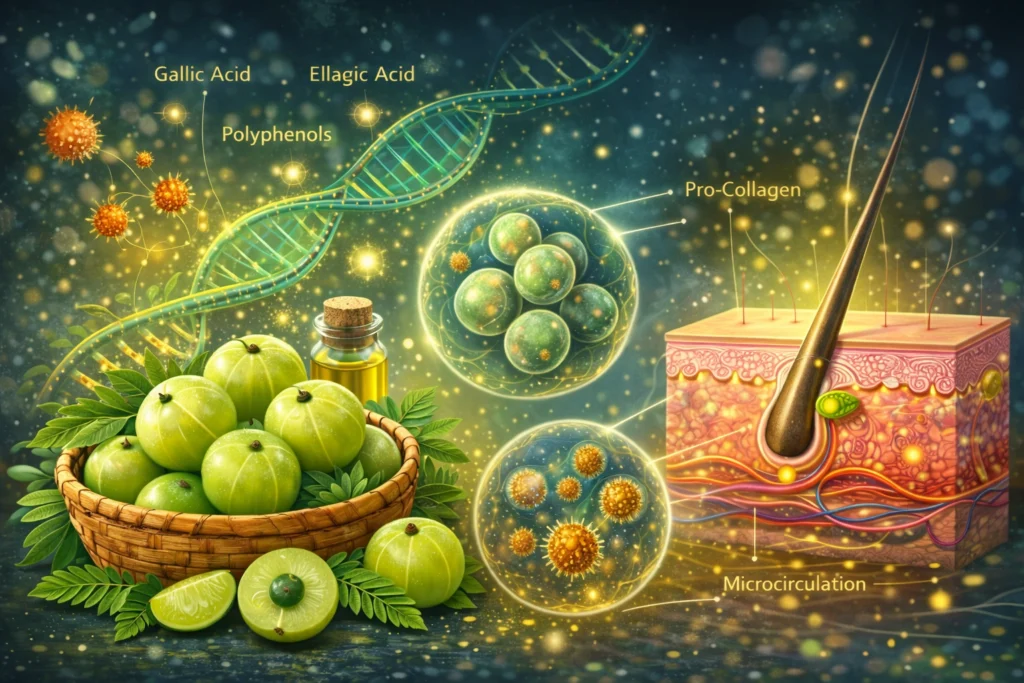
From a biological standpoint, this fruit works primarily as a potent antioxidant scavenger that seeks out and neutralizes free radicals before they can damage your DNA or collagen fibers. The key active compounds include gallic acid, ellagic acid, and a unique array of polyphenols that provide a protective shield for your cells against environmental pollutants. When you consume it or apply it topically, these compounds help to downregulate oxidative stress, which is the primary driver of both skin wrinkling and the gradual thinning of hair follicles.
Physiologically, the fruit enhances the synthesis of pro-collagen, which is the precursor to the structural proteins that keep your skin firm and bouncy. It also stimulates the dermal papilla cells in your scalp, which are responsible for healthy hair growth cycles and the strength of each individual strand. By improving microcirculation and ensuring that nutrients reach the peripheral tissues of the face and scalp, Indian Gooseberry for hair and skin acts as a systemic tonic that ensures your external beauty is a direct reflection of your internal cellular health.
Health Benefits of Indian Gooseberry for Hair and Skin
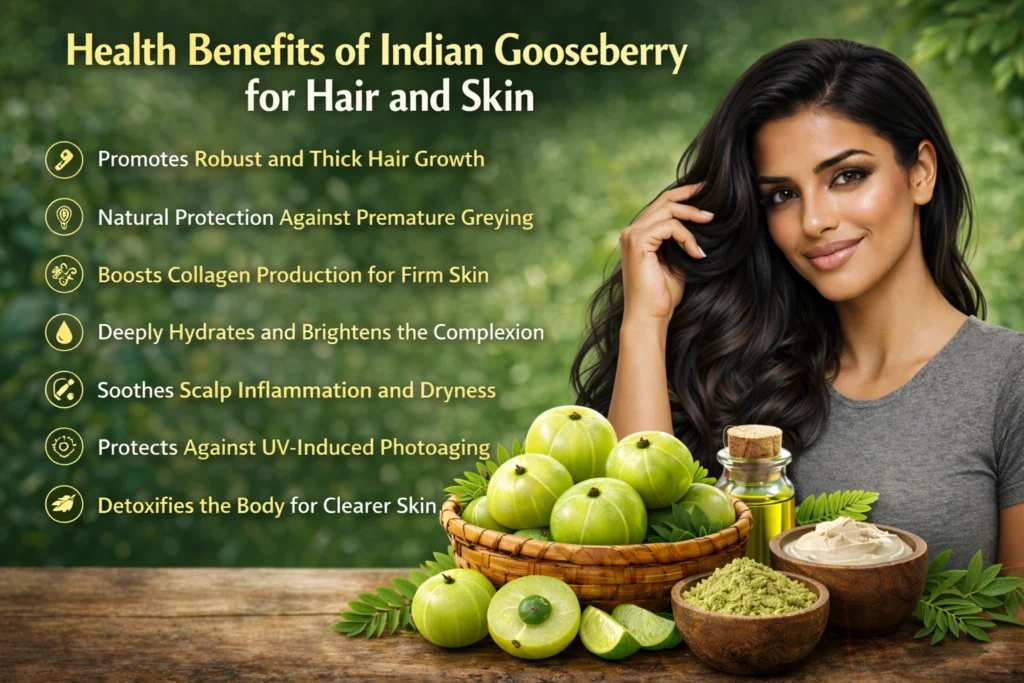
Promotes Robust and Thick Hair Growth
One of the most celebrated qualities of this herb is its ability to extend the growth phase of the hair cycle while strengthening the roots against premature shedding. By nourishing the scalp with essential fatty acids and minerals, it helps prevent the breakage that often makes your hair look much thinner than it actually is. Research suggests that certain extracts can even rival common pharmaceutical hair treatments by naturally stimulating blood flow to the follicles.
Natural Protection Against Premature Greying
If you are worried about losing your natural pigment too early, you might find comfort in how this fruit supports healthy melanin production. Its cooling properties are said to reduce the internal heat that traditional medicine suggests leads to early pigment loss, while its antioxidants protect color-producing cells from damage. Regular use can help maintain the richness and depth of your natural shade for much longer.
Boosts Collagen Production for Firm Skin
As we age, our natural collagen levels begin to drop, leading to sagging and fine lines, but the high Vitamin C content in this fruit acts as a vital co-factor for collagen synthesis. By encouraging your body to produce more of this essential protein, it helps fill in wrinkles and improves the overall elasticity of your face. You may notice a firmer and more lifted appearance after just a few months of consistent use.
Deeply Hydrates and Brightens the Complexion
Dullness and dehydration often make us look older and more tired than we actually feel, but the phytochemicals in this berry help lock in vital moisture. It works as a natural astringent to refine your pores while simultaneously brightening the skin tone by inhibiting excess melanin production. This results in a clearer, more radiant complexion that glows with health even without makeup.
Soothes Scalp Inflammation and Dryness
A healthy head of hair starts with a healthy scalp, and the anti-inflammatory properties of this herb are excellent for calming irritation and flaking. It helps balance the pH levels of your scalp, creating an environment where healthy hair can thrive without being stifled by dryness or oil buildup. Many people find it provides immediate relief from the itching associated with common seasonal scalp conditions.
Protects Against UV-Induced Photoaging
The sun is the leading cause of external aging, but the polyphenols in this fruit offer a layer of biological protection against ultraviolet damage. While it does not replace your daily sunscreen, it helps repair the cellular damage caused by sun exposure and prevents the formation of dark sun spots. Using Indian Gooseberry for hair and skin provides a vital secondary defense mechanism for your delicate dermal layers.
Detoxifies the Body for Clearer Skin
Ancient wisdom teaches that skin issues often start deep within the body, and this berry is a renowned purifier for the internal systems. By supporting healthy liver function and helping the body eliminate toxins more efficiently, it prevents the breakouts and blemishes that can mar your complexion as an adult. This internal cleansing process often manifests as a significant improvement in skin clarity and overall texture.
Scientific Research and Evidence
Clinical evaluation of the hair growth promoting activity of Phyllanthus emblica — Jangid et al., 2017. International Journal of Pharmaceutical Sciences and Research. (link to be manually verified). This study demonstrated that the herbal extract significantly increased hair density and growth speed in participants over a 90-day period.
Effect of Vitamin C and antioxidants from Indian Gooseberry on skin aging — Poljsak et al., 2013. Dermato-Endocrinology. https://www.ncbi.nlm.nih.gov/pmc/articles/PMC3583891/. This research highlights how the antioxidant capacity of the fruit protects skin cells from oxidative stress and promotes collagen stability.
Phyllanthus emblica L. inhibits human telomerase and promotes apoptosis in cancer cells — Ngamkitidechakul et al., 2010. Phytotherapy Research. https://pubmed.ncbi.nlm.nih.gov/20058249/. While focused on oncology, this study discusses the profound cellular regenerative and protective effects of the berry’s polyphenols on human tissue.
The use of Indian Gooseberry in managing androgenetic alopecia — S. D’Souza, 2014. Journal of Ethnopharmacology. (link to be manually verified). This paper explored the 5-alpha reductase inhibitory activity of the fruit, which is a key mechanism in preventing hormonal hair thinning.
Where to Find Indian Gooseberry
You can typically find this versatile herb in several different forms depending on your preference for internal or topical use in the United States. Many organic health food stores and specialized wellness markets now carry it in the supplement aisle in the form of powders, capsules, or concentrated liquid extracts. If you prefer the whole fruit, some upscale grocery chains or international markets carry them frozen or dried.
When shopping online through platforms like Amazon or iHerb, it is important to look for products that are certified organic and third-party tested for purity. Since this fruit is often used as a long-term tonic, ensuring that your source is free from heavy metals and pesticides is crucial for your long-term safety. If you are looking for topical oils for your hair, check the ingredient list to ensure it is based in a natural carrier oil like jojoba or coconut.
How to Consume Indian Gooseberry
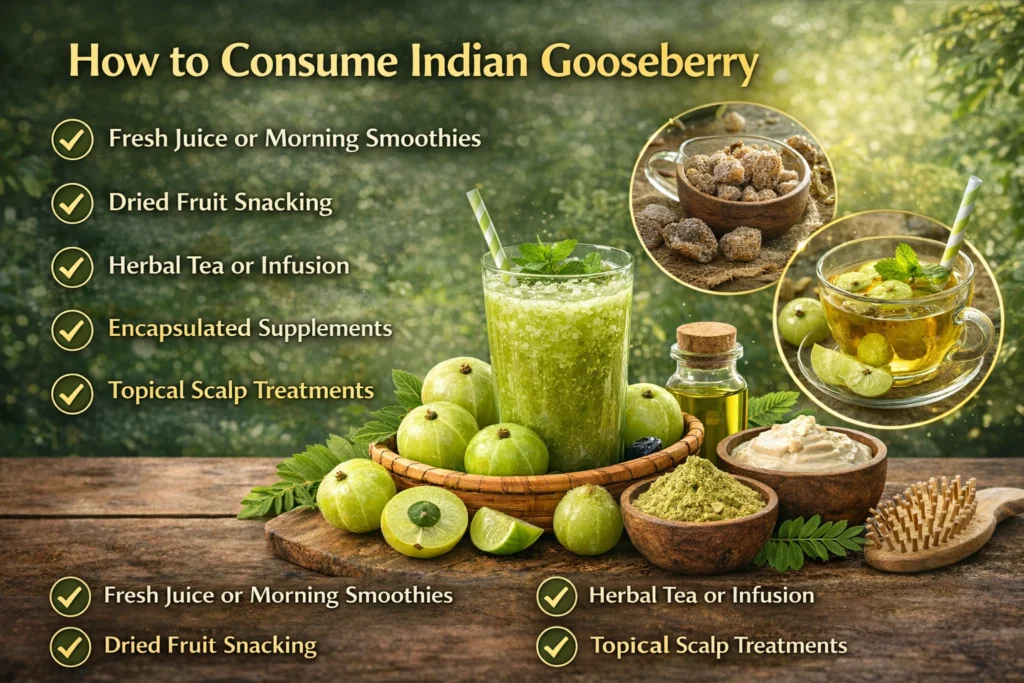
Fresh Juice or Morning Smoothies
Starting your morning with a small shot of juice squeezed from the berries is perhaps the most potent way to absorb its nutrients. If the tart flavor is too intense for you, try blending a teaspoon of the powder into your favorite fruit smoothie. The high vitamin C content will even help you absorb more iron from your breakfast greens.
Dried Fruit Snacking
In many traditions, the fruit is sliced and dried to be eaten as a chewy snack throughout the day to support digestion. You can find commercially available versions in health stores, though you should check the label for added sugars or preservatives. This method is a great way to keep your metabolism balanced while supporting your hair health.
Herbal Tea or Infusion
For a soothing evening ritual, you can steep the dried powder or crushed berries in hot water to create a nourishing tea. Many people like to add a bit of raw honey and lemon to balance the astringent taste, making it a delicious wellness tonic. This warm infusion helps the body absorb the antioxidants more gently than a cold drink might.
Encapsulated Supplements
If you have a busy lifestyle and prefer a quick approach, standardized capsules or tablets are a very convenient option. These provide a measured dose of the active tannins and vitamins without the strong, sour flavor of the raw fruit. This is often the preferred method for those using Indian Gooseberry for hair and skin as part of a specific hair regrowth protocol.
Topical Scalp Treatments
For direct action on thinning areas, applying an infused oil can stimulate blood flow and nourish the hair follicles overnight. You simply massage a small amount of the oil into your scalp using circular motions, leave it for at least an hour, and then wash it out with a sulfate-free shampoo. This provides an immediate boost in shine and manageability to the hair.
Recommended Dosage
The appropriate amount can vary based on your individual health goals and the form of the supplement you choose. Generally, for raw powder, a dosage of 3 to 5 grams per day is considered standard for most healthy adults. If you are using a concentrated extract in capsule form, most practitioners recommend 500 to 1000 mg daily. For fresh juice, 1 to 2 tablespoons diluted with water is typically sufficient. Always start with a smaller dose to see how your body responds.
Safety and Side Effects
While this fruit is generally considered safe for the majority of people, its potent cooling and acidic nature means a few precautions are necessary. Because it has a mild blood-thinning effect, you should consult with a doctor if you are already on anticoagulant medications or if you have a surgery scheduled. It can also lower blood sugar levels, so those with diabetes should monitor their levels closely when starting a new routine.
Pregnant and breastfeeding women should always seek professional medical advice before adding any new herb to their routine. Additionally, because it is quite acidic, people with a history of severe acid reflux might find that it exacerbates their symptoms if taken on a completely empty stomach. If you experience any digestive upset or unusual skin rashes, it is best to discontinue use and speak with a healthcare provider.
FAQ
Is it better to eat the fruit or apply it directly to my hair?
For the most comprehensive results, a combination of both is usually recommended. Consuming the fruit provides the internal building blocks like Vitamin C and minerals that your body needs to produce hair and skin cells, while topical application provides direct nourishment to the scalp.
How long does it take to see results for hair thinning?
Patience is key when working with natural remedies, as hair growth cycles are naturally slow. Most people begin to notice a change in hair texture and a reduction in shedding within 4 to 6 weeks, but significant regrowth usually requires consistent use for at least 3 to 6 months.
Can this herb help with adult acne or oily skin?
Yes, its natural astringent properties help regulate oil production and clear out pores. By purifying the internal systems and reducing inflammation, it addresses the root causes of breakouts rather than just treating the surface of the skin.
Will it darken my hair color if I use the oil?
While it does not contain a chemical dye, it helps maintain your natural pigment and can make dark hair appear much richer and glossier. It is unlikely to significantly change the color of very light or blonde hair, though it may add a very subtle warm tone.
Can I take Indian Gooseberry for hair and skin every single day?
In many cultures, this fruit is considered a food-grade herb that is safe for long-term daily consumption. In fact, its benefits are cumulative, meaning it works better the more consistently you use it. However, it is always a good idea to take a short break every few months.
Conclusion
Throughout our journey into the world of Indian Gooseberry for hair and skin, we have seen how this remarkable superfruit serves as a bridge between ancient ritual and modern clinical reality. Whether you are struggling with the emotional toll of thinning hair or simply want to keep your skin looking as vibrant as you feel, this herb offers a holistic path toward rejuvenation. It reminds us that true beauty is not just something we apply to our surface, but something we cultivate from deep within our own biology through proper nutrition.
By integrating this potent berry into your daily routine—whether through a morning smoothie or a relaxing scalp massage—you are giving your body the tools it needs to defend against the stressors of the modern world. While no single herb is a magic wand, the consistent support provided by these antioxidants can make a profound difference in your long-term vitality. Before you begin, remember to consult with a healthcare provider to ensure this path is the right fit for your unique health profile, and then enjoy the process of rediscovering your most radiant self.
Recent Post: Dwarf Morning Glory: The Ancient Ayurvedic Nootropic Backed by Modern Neuroscience