

Tulsi immune support is one reason this ancient herb has remained popular for centuries in traditional wellness practices. Often called holy basil, tulsi has long been used in herbal traditions for maintaining balance in the body and supporting natural defenses. Today, many health-conscious adults in the United States are rediscovering tulsi as a simple daily addition to their wellness routine.
Interest in natural remedies continues to grow as people search for gentle, plant-based ways to support overall health. Tulsi stands out because it contains unique plant compounds that may help the body respond to everyday stress while also supporting immune function. Research is still evolving, but early findings suggest that tulsi may offer several wellness benefits when consumed regularly.
If you enjoy herbal teas or natural wellness practices, tulsi might become one of the most versatile herbs in your daily routine.
What Is Tulsi (Holy Basil)?
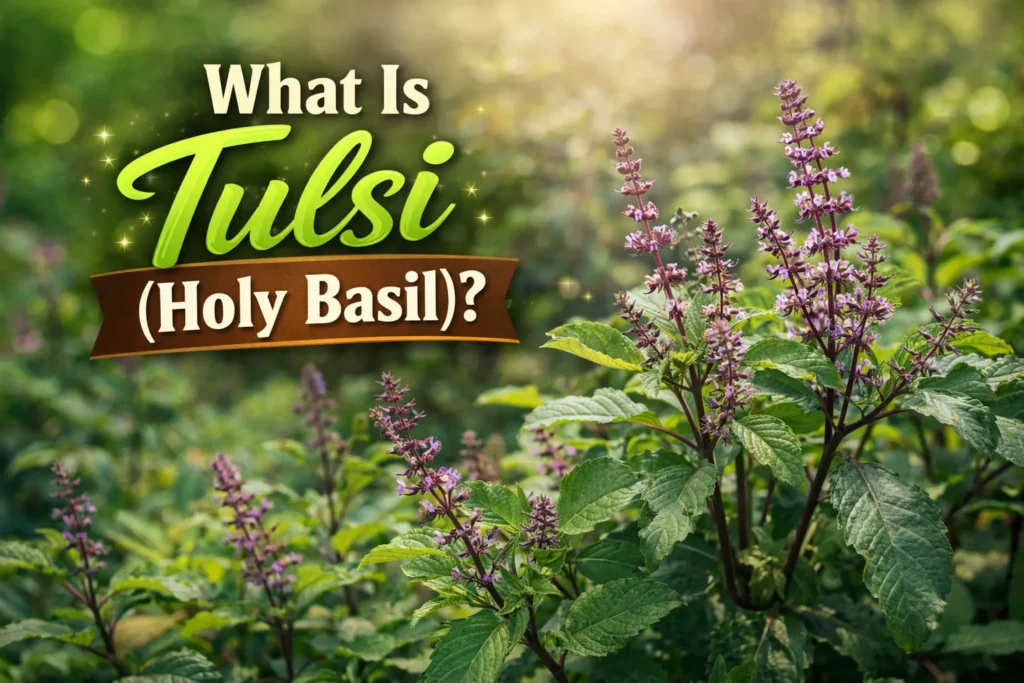
Tulsi, scientifically known as Ocimum sanctum or Ocimum tenuiflorum, is an aromatic herb native to India and Southeast Asia. In traditional Ayurvedic practices, tulsi has been valued for centuries as a plant that promotes overall balance and vitality.
Unlike culinary basil used in cooking, tulsi has a slightly spicy, clove-like flavor and is commonly consumed as an herbal tea or supplement. The plant contains several natural compounds such as eugenol, rosmarinic acid, and flavonoids, which are believed to contribute to its potential wellness effects.
Today, tulsi immune support is one of the most widely discussed benefits among herbal researchers and wellness enthusiasts.
Why Tulsi Immune Support Is Getting Attention
Many herbs are associated with immune health, but tulsi has attracted growing interest because it may support the body’s natural defense mechanisms in multiple ways.
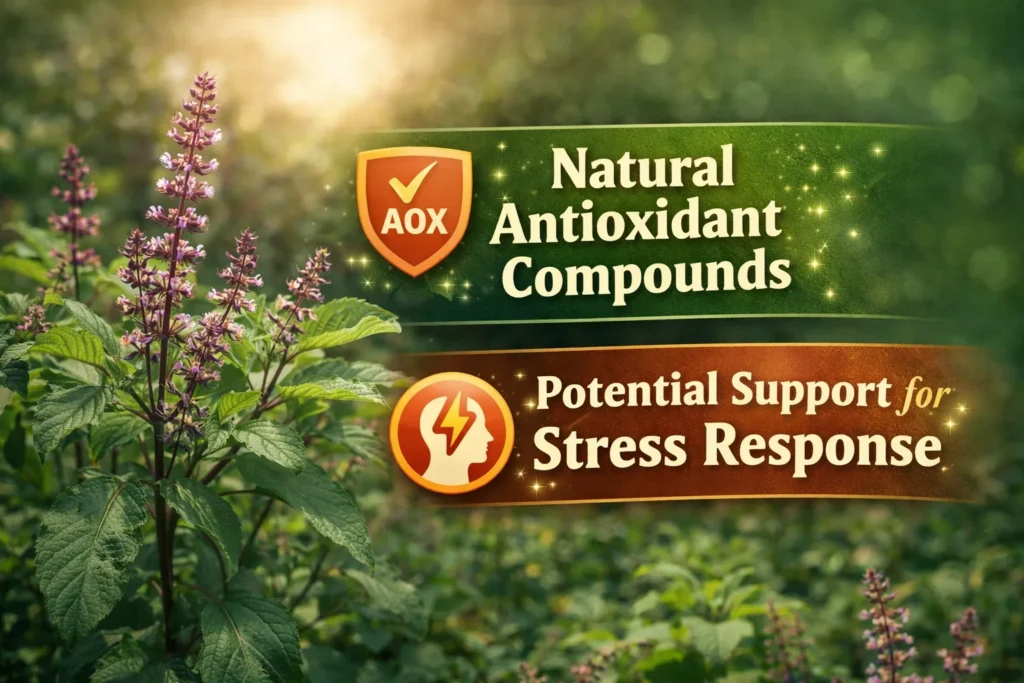
Natural Antioxidant Compounds
Tulsi contains antioxidants that may help neutralize free radicals in the body. Free radicals are unstable molecules that can contribute to cellular stress when present in high amounts. Some research suggests that antioxidants from plant sources may help support overall immune balance.
A review published in the National Institutes of Health database highlights that holy basil contains several bioactive compounds that may contribute to antioxidant activity in the body.
Potential Support for Stress Response
Chronic stress can influence immune function. Tulsi is often described as an adaptogenic herb, meaning it may help the body adapt to everyday stressors.
Some studies suggest tulsi may support a balanced stress response, which could indirectly help maintain healthy immune activity. While more research is needed, these early findings make tulsi immune support an interesting area of study.
How Tulsi May Help Support Immune Function
May Help Maintain Healthy Inflammation Response
A balanced inflammatory response is an important part of immune health. Certain plant compounds in tulsi may help support normal inflammatory processes in the body.
Laboratory and preliminary human studies have suggested that tulsi extracts may influence immune signaling pathways. Researchers emphasize that tulsi should be viewed as a supportive wellness herb rather than a medical treatment.
Supports Respiratory Wellness
Many traditional uses of tulsi focus on respiratory comfort. Herbal teas made with tulsi are often consumed during seasonal changes to support throat and respiratory wellness.
Some plant compounds in tulsi may help promote respiratory comfort, although more clinical research is still needed.
Easy Ways to Add Tulsi to Your Daily Routine
Adding tulsi to your daily habits does not need to be complicated. In fact, many people enjoy it as part of a simple wellness ritual.
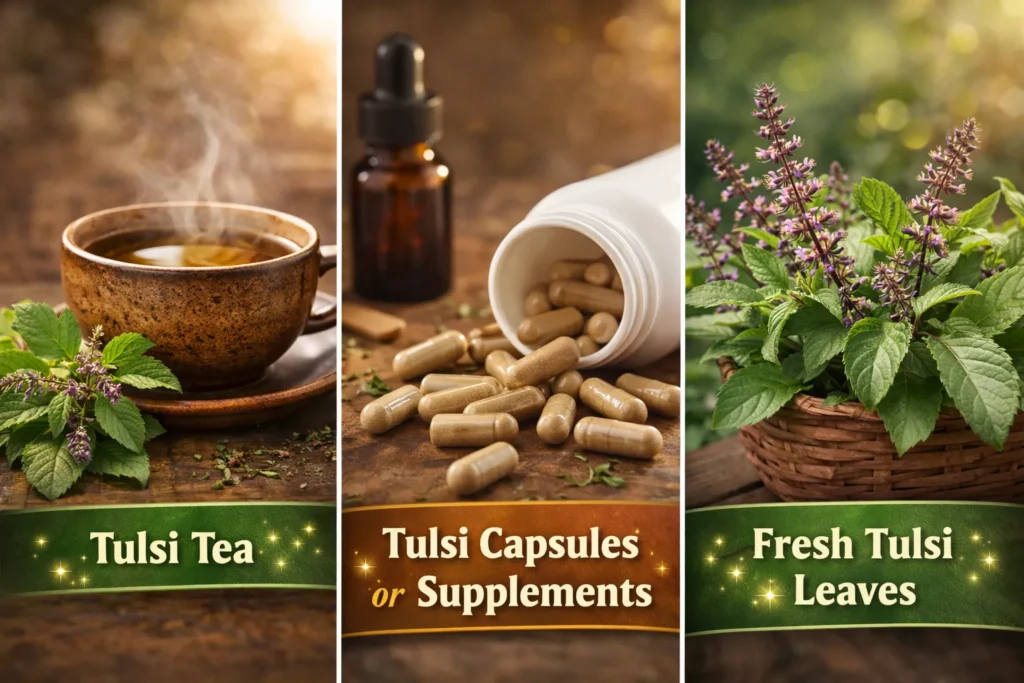
Tulsi Tea
The most common way to experience tulsi immune support is by drinking tulsi tea. Dried leaves are steeped in hot water for about five to seven minutes, producing a fragrant herbal drink.
Tulsi Capsules or Supplements
For those who prefer convenience, tulsi supplements are available in capsule or tincture form. These products often contain concentrated extracts of holy basil.
Fresh Tulsi Leaves
If you have access to fresh leaves, you can add them to herbal infusions or even blend them into smoothies. Some people enjoy chewing a few fresh leaves as part of a daily herbal practice.
Practical Tips for Using Tulsi Daily
Here are a few simple tips that can help you incorporate tulsi immune support into your lifestyle.
Start with one cup of tulsi tea in the morning or evening. Many people find that the gentle herbal flavor makes it easy to drink regularly.
Combine tulsi with other calming herbs such as chamomile or ginger. This can create a soothing herbal blend for relaxation.
Try consistency rather than large amounts. Regular daily use of small quantities is often how traditional herbal practices recommend using tulsi.
A Simple Real-Life Example
Imagine someone who works long hours and often feels run down during seasonal changes. Instead of reaching for sugary drinks in the afternoon, they start brewing a cup of tulsi tea during their work break.
Over time, that small ritual becomes a calming pause in their day. While tulsi alone is not a miracle solution, many people appreciate how this simple habit supports their sense of daily wellness.
What Research Says About Tulsi
Scientific interest in tulsi has grown significantly over the past two decades. A comprehensive review published in the NIH database highlights several potential properties of holy basil, including antioxidant and adaptogenic effects.
Researchers note that tulsi may help support immune balance, metabolic health, and stress response. However, they also emphasize that more controlled human studies are needed before drawing firm conclusions.
Another resource from the National Center for Complementary and Integrative Health explains that herbal supplements can play a supportive role in wellness routines but should not replace medical care or professional advice.
Holy basil research overview → https://www.ncbi.nlm.nih.gov/pmc/articles/PMC4296439/
Herbal supplements and immune health guidance → https://www.nccih.nih.gov/health/herbal-supplements
Where to Buy Tulsi (Holy Basil) — Online and In-Store
Tulsi products are widely available in the United States, both online and in physical stores. Because the herb has become popular in the wellness community, you can find it in several forms including tea bags, loose leaf tea, capsules, powders, and tinctures.
Online Platforms
Many people prefer buying tulsi online because it offers a larger variety of options and customer reviews.
Amazon is one of the most common places to find tulsi products. It offers a wide selection of tulsi teas, capsules, and herbal blends. Tea bags and loose-leaf tulsi are especially popular here. A helpful tip is to check verified customer reviews and look for organic certifications before purchasing.
iHerb is another well-known platform focused on supplements and natural health products. It often carries tulsi capsules, tinctures, and powders from multiple herbal brands. Many shoppers like iHerb because it provides detailed ingredient lists and product testing information.
Thrive Market is popular among health-conscious shoppers looking for organic wellness products. Tulsi teas and herbal blends are commonly available there. If you shop regularly, membership discounts can sometimes make organic herbal products more affordable.
Offline / Physical Stores
Tulsi can also be found in many local stores across the United States.
Whole Foods Market typically stocks tulsi herbal tea in the tea aisle. Some locations also carry tulsi supplements in the wellness section. A good tip is to check the organic herbal tea section first.
Large retail stores like Walmart often carry tulsi tea bags in the tea or natural health aisle. Selection may vary by location, but it can be a convenient option for everyday purchases.
Local health food stores are another great place to look. These stores sometimes offer loose-leaf tulsi or locally sourced herbal blends. Staff members in these stores may also provide guidance about different forms of the herb.
What to Look for When Buying
When purchasing tulsi, organic products are often preferred because they reduce potential exposure to pesticides. Look for labels such as USDA Organic or Non-GMO certifications when possible.
Different product forms work for different preferences. Tea is popular for daily wellness routines, while capsules may be more convenient for those who prefer supplements.
Prices vary depending on quality and form. Basic tulsi tea products are usually affordable, while premium organic extracts may cost more.
It is wise to avoid products with vague ingredient labels or unrealistic health claims. Reliable brands typically provide transparent information about sourcing and testing.
FAQ
Is tulsi the same as regular basil?
No. Tulsi, also known as holy basil, is a different plant species than the basil commonly used in cooking. While both belong to the same plant family, tulsi contains unique compounds that are often studied for wellness benefits.v
How often can you drink tulsi tea?
Many people drink one to two cups of tulsi tea daily as part of a wellness routine. However, individual tolerance may vary, so starting with small amounts is generally recommended.
Does tulsi immune support really work?
Some studies suggest tulsi contains antioxidants and plant compounds that may support immune balance. However, research is still developing, and tulsi should be considered a supportive herb rather than a medical treatment.
Can tulsi help with stress?
Tulsi is often classified as an adaptogenic herb, which means it may help the body respond to stress. Some early research suggests it may support a balanced stress response, although more studies are needed.
Are there side effects of tulsi?
Tulsi is generally considered safe for most people when consumed in typical food or tea amounts. However, individuals who are pregnant, taking medications, or managing health conditions should consult a healthcare professional before using herbal supplements.
Conclusion
Tulsi immune support is one of the reasons this ancient herb continues to attract attention in modern wellness circles. Its natural antioxidant compounds, potential adaptogenic properties, and long history of traditional use make it a fascinating plant for everyday health routines.
Research suggests tulsi may help support immune balance, stress response, and overall wellness when used consistently. While it is not a substitute for medical treatment, many people appreciate its gentle role in daily herbal practices.
If you are exploring natural ways to support your well-being, starting a simple habit like drinking tulsi tea could be a refreshing step toward a more balanced lifestyle.



One thought on “Tulsi Immune Support: Amazing Herb for Science-Backed Wellness”